
The Bank of Japan Faces a Crucial Policy Period
With the October meeting approaching, the policy direction of the Bank of Japan has once again become the focus of global financial markets. Several former officials have pointed out that even if political factors push for increased calls for ease, the Bank of Japan may still consider an interest rate hike this month based on economic data and currency pressure. This view challenges the previous assumption by some markets that “politics can more easily influence policy.”
The Game Between Political Factors and Market Expectations
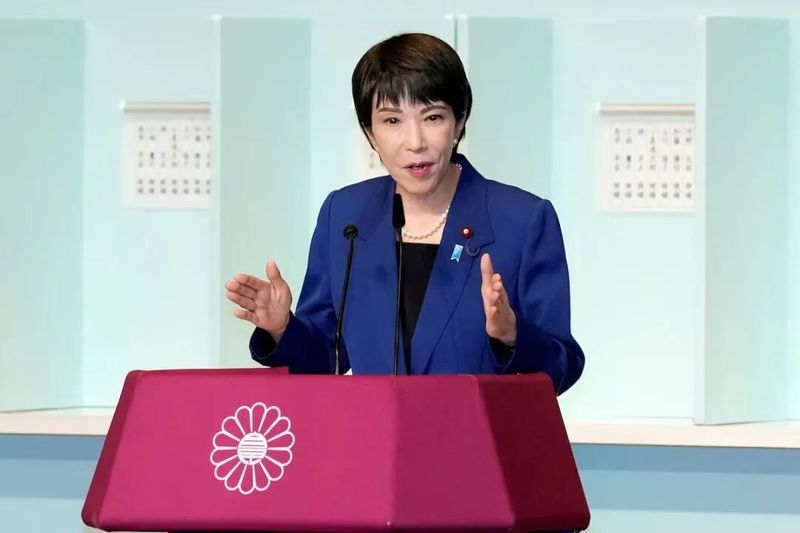
Sanae Takaichi is widely seen as the most likely candidate for the new Prime Minister, continuing the policy stance of fiscal stimulus and monetary easing. The market once believed that this would delay the Bank of Japan's steps to raise interest rates. However, experts indicated that even if the new Prime Minister pushes for fiscal expansion, it will be difficult to ignore the real challenges posed by inflation and exchange rates. Especially if the yen continues to depreciate below 150 to 1 dollar, it may trigger international frictions, forcing the Bank of Japan to reassess.
Support from Inflation and Economic Conditions
From a fundamental perspective, Japanese corporate profits remain strong, structural labor shortages are driving up wage levels, and the continuous rise in food and energy prices keeps inflation above targets. Analysts believe these conditions combined provide ample reasons for the Bank of Japan to consider raising rates at the meeting on October 29 to 30.
Contrast Effect of the Federal Reserve's Rate Cut Cycle
Meanwhile, across the Atlantic, the Federal Reserve has embarked on a new round of rate cuts, announcing a 25 basis point reduction to 4%-4.25% in September. Goldman Sachs predicts the Fed will continue with cuts in October and December, totaling 75 basis points. This policy direction contrasts sharply with Japan's potential tightening, making global capital flows between the dollar and yen subject to greater uncertainty. Some market participants believe that if the Bank of Japan raises rates, the yen will gain support and may even reverse its long-term depreciation trend.
Warning Signs in the Labor Market
In the U.S., the latest data show a decline in unemployment claims, but the overall job market remains under pressure. Nonfarm job creation has significantly slowed, and the unemployment rate has risen to a nearly four-year high. Jerome Powell admitted that the U.S. is experiencing a "double decline" in demand and supply. The weakness in the labor market reinforces the Federal Reserve's rationale for sticking with rate cuts, in stark contrast to Japan's potential policy tightening.
Global Market Focus
Investors are focusing on the Bank of Japan meeting on September 19, especially the policy statement and press conference. If the Bank of Japan signals a rate hike, it will not only affect the yen and Japanese government bonds but may also have spillover effects on Asian markets and global capital flows. At the same time, if the Federal Reserve continues its easing policies, the divergence in U.S.-Japan monetary policy may further amplify market volatility.
Looking Ahead
Against the backdrop of high inflation, currency pressure, and a complex external environment, the next steps of the Bank of Japan are particularly crucial. If it chooses to raise rates in October, this will mark a new phase in Japan's monetary policy and mean that global investors will need to reassess the risks and opportunities in the Asian financial markets.

