

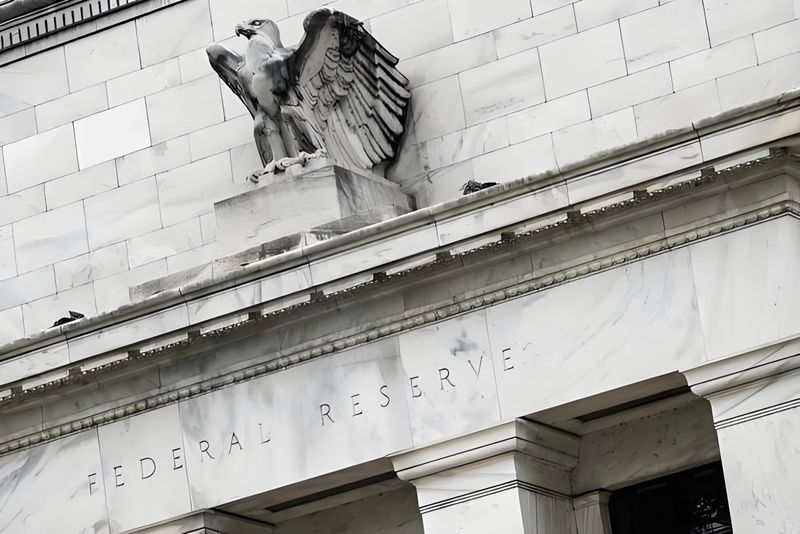
Market Reassesses Rate Expectations, December Rate Cut Regains Dominance
As financial markets reassess U.S. economic data and policy signals, there has been a noticeable shift in the pricing of the Federal Reserve's recent interest rate path. The CME's "FedWatch" tool shows that investor expectations for an interest rate cut in December have significantly increased, with the probability of a 25 basis point cut climbing to nearly 70%, reflecting a rapid rise in the market's sensitivity to an impending policy shift.
Investors generally believe that due to the gradual slowdown in U.S. economic momentum and signs of cooling in key indicators, the Federal Reserve may adopt moderate policy easing by the end of the year, creating room for future economic growth.
Probability of Holding Rates Unchanged Declines, Confidence in Easing Path Strengthens
Despite Federal Reserve officials maintaining relative caution in recent public speeches, market bets on holding rates steady continue to decline. Currently, the probability of no action in December is slightly above 30%, significantly lower than the trading range of previous weeks.
Analysts point out that this change reflects investors' assessment of multiple factors such as growth, employment, and inflation. They are more inclined to judge that the current monetary tightening cycle is nearing its end. As the high-interest rate environment begins to have more pronounced macro impacts, positioning for early rate cuts has become more of a hedging strategy for funds.
Early Next Year’s Policy Direction Attracts Attention, Multiple Possibilities Exist
According to the latest pricing, the market expects that the probability of the Federal Reserve cutting rates by 25 basis points by January next year has exceeded 55%, far surpassing the 20.8% probability of maintaining rates unchanged over the same period. This suggests that investors believe the Federal Reserve is likely to enact at least one minor rate cut in the coming months.
More noteworthy is that the probability of a cumulative 50 basis point rate cut by early next year has risen to over 22%, indicating that some investors are betting that the Federal Reserve might undertake consecutive easing actions in the first quarter of 2025. Although this probability is not yet the mainstream pathway, its rise reflects the market's sensitivity to economic slowdown risks.
Economic Data Remain Key Variable, Rate Cut Pace May Adjust with Trends
Despite the rising expectations of rate cuts, there are still disagreements within the Federal Reserve. Most officials have previously stressed the need to see clearer signs of a downward trend in inflation and cooling in the labor market before considering policy easing. Therefore, the current market pricing more reflects investor sentiment rather than a confirmed policy direction.
In the coming weeks, critical U.S. economic data will be released, including employment, inflation, and consumer spending indicators that will directly influence rate cut expectations. If the data continues to underperform, financial markets may further strengthen their bets on easing; conversely, if inflation rebounds, expectations may be adjusted again.
Dollar and U.S. Bond Market React Steadily, Financial Environment Shifting
With the probability of a rate cut rising, U.S. Treasury yields have seen a slight decline, reflecting the market's repricing of the future rate path. The U.S. dollar index remains relatively stable amid fluctuations, but its short-term trajectory still depends on the combination of policy signals and macro data performance.
Market traders expect that if rate cut expectations continue to strengthen, the financial environment will gradually ease, benefiting equities and high-yield assets. However, if economic data deteriorates faster than expected, it could also lead to a rapid cooling of risk appetite.
Market Bets on Easing, but Policy Path Remains Uncertain
Overall, the rate expectations ahead of the Federal Reserve's December meeting show a clear inclination towards easing, with investors remaining sensitive to the possibility of a policy reversal. However, what truly determines the policy direction will still be the upcoming macro data and further statements from Federal Reserve officials.
As the end of the year approaches, discussions around the pace of rate cuts will continue to influence global market trends. Investors need to closely monitor changes in policy details to ascertain the true direction of the interest rate path.

