

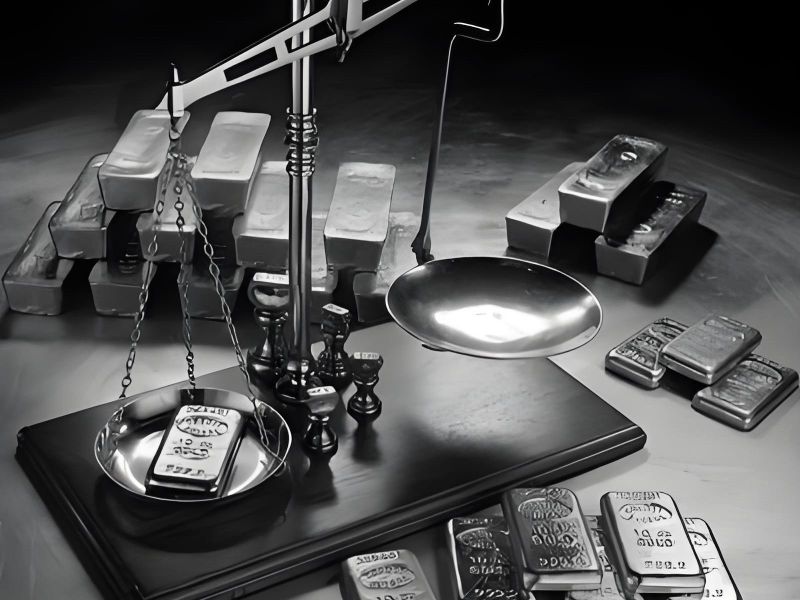
High Dive Following Historic Breakthrough
After experiencing a nearly frenzied surge, the silver market this week saw volatile "roller coaster" trading. On Monday, spot silver briefly soared to a historic peak of $84 per ounce before quickly encountering profit-taking, expanding the decline by as much as 5%. Previously, influenced by a weaker dollar and rising global geopolitical tensions, silver prices had recorded gains for five consecutive trading days, standing above the psychologically significant $80 mark for the first time.
Market analysts believe this sharp decline was mainly due to traders cashing out on their substantial profits. IG Australia market analyst Tony Sycamore candidly pointed out that the current silver market is showing clear signs of a "bubble" characteristic. Although prices have surged in the short term, such sentiment-driven rallies are often accompanied by the need for technical corrections.
Multiple Positive Factors Resonating to Boost Metal Value
The robust precious metal market this year is no accident, but the result of the resonance of multiple macro factors. Strategic buying by central banks has provided a solid value base, and the continued inflow of funds into exchange-traded funds (ETFs) has further amplified market volatility. A more core driving force comes from the Federal Reserve's monetary policy shift. The Fed's three consecutive rate cuts have significantly lowered the borrowing cost of holding non-interest assets, and the market generally expects this easing trend to continue until 2026.
Geopolitical tensions have also acted as a catalyst. From the turmoil in Venezuela to U.S. military actions in Nigeria, safe-haven funds have flocked to the gold and silver markets. At the same time, the Bloomberg Dollar Index recently posted its largest weekly drop in months, with the weaker dollar directly increasing the appeal of dollar-denominated precious metals.
Structural Supply Shortages Exacerbate Market Premium
Silver's superior performance compared to gold is largely due to its unique supply and demand structure and smaller market capacity. Unlike the gold market, supported by vast reserves, silver inventories are extremely tight, making liquidity prone to drying up quickly. This severe structural imbalance has led to a surge in physical silver premiums, with buyers willing to pay up to a 7% premium for immediate delivery.
The shortage of inventory has developed into a global issue. Data shows that silver inventories on the Shanghai Futures Exchange have reached their lowest level since 2015. Additionally, the U.S. government's national security investigation into key mineral imports has unsettled traders, exacerbating uncertainty over spot supply. With most global spot silver resources locked up, market concerns about supply disruptions have peaked.
The Industrial Role and Technical Indicator Battle
Unlike gold's financial characteristics, silver plays an irreplaceable role in the industrial sector. It is a core material for solar panels, artificial intelligence data centers, and high-end electronics. Tesla CEO Elon Musk previously expressed concerns about silver supply shortages on social media, emphasizing its critical role in industrial production.
However, from a technical perspective, silver's rally clearly appears to have "overspeeded." The 14-day relative strength index (RSI) once approached 80, far exceeding the overbought threshold of 70, indicating that a correction is inevitable. As of the latest trading session, silver prices had retreated from their peak to around $76.47, with gold and other platinum group metals also pulling back from historical highs. The market is at a dynamic equilibrium, awaiting further gaming between supply-demand imbalances and macro policies.

