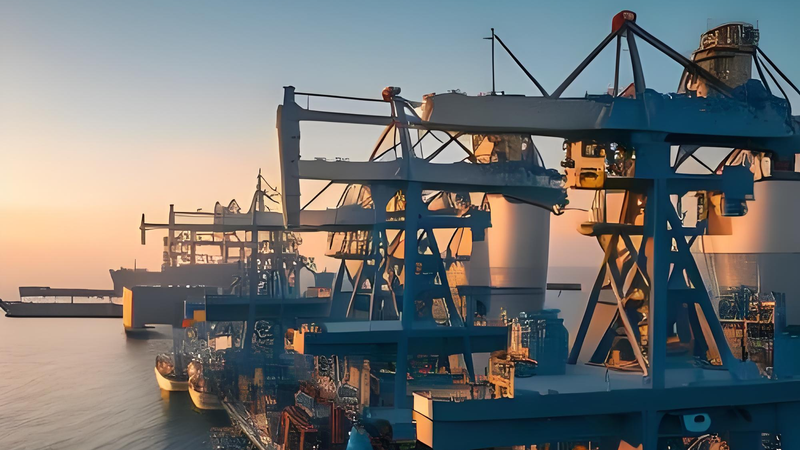
Event Overview: Drone Shot Down and Merchant Ship Interception Warning on the Same Day
On February 4th, Beijing time, the U.S. Central Command (CENTCOM) reported that an Iranian "Shahed-139" drone was shot down by an F-35C fighter jet as it approached a carrier group in the Arabian Sea. The U.S. stated it was "self-defense and to protect personnel on board," with no casualties or equipment loss.
Around the same time, tensions arose in the Strait of Hormuz: multiple shipping sources indicated that Iranian gunboats issued a radio command to the U.S.-flagged chemical tanker "Stena Imperative" to "stop and prepare for boarding." The tanker subsequently accelerated away, escorted by U.S. warships, and the situation did not escalate further.
Market Reaction: Oil Prices Surge, Risk Assets Weaken
The conflict signals heightened concerns about supply and shipping security. International crude oil prices strengthened that day: Brent settled at about $67.33 per barrel, and WTI at approximately $63.21 per barrel, both recording around a 2% daily gain. Reuters reported that oil prices continued to surge after news of the drone incident broke.
In stock markets, the tech sector showed cautious sentiment. Related reports indicated that the Nasdaq's intraday losses widened; by the close of the day, the S&P 500, Dow Jones, and Nasdaq all closed lower, with the Nasdaq experiencing the largest drop.
Diplomacy: "Regular" Talks Statement and Demands for "Location and Topic Change"
Beyond military tensions, diplomatic arrangements also added variables. Reuters cited informed sources saying Iran wants to move talks originally scheduled in Istanbul to Oman, preferring to narrow the topics to nuclear issues, proceeding bilaterally.
The White House signaled that the "schedule is still advancing": Caroline Leavitt publicly stated that talks would continue later this week as planned.
Why the Market is More Sensitive to the Strait of Hormuz
The Strait of Hormuz connects the Persian Gulf with the Gulf of Oman and is a critical "chokepoint" for Middle Eastern oil exports. Reuters noted that most Gulf oil-exporting countries rely on this waterway. More frequent interceptions, escorts, or misunderstandings could lead to re-evaluation of freight, insurance, and delivery expectations, with price volatility quickly transmitting to stock, bond, and foreign exchange markets.
Future Points of Interest: Three Lines Determine Whether Volatility Can Cool Down
- Whether the final location and agenda of the talks are set (Istanbul or Oman, bilateral or not).
- Whether maritime "interception—escort" incidents will reoccur and if the shipping risk premium will persist.
- Whether oil prices will continue to be dominated by geopolitical risks or return to fundamentals like inventory and demand for pricing.