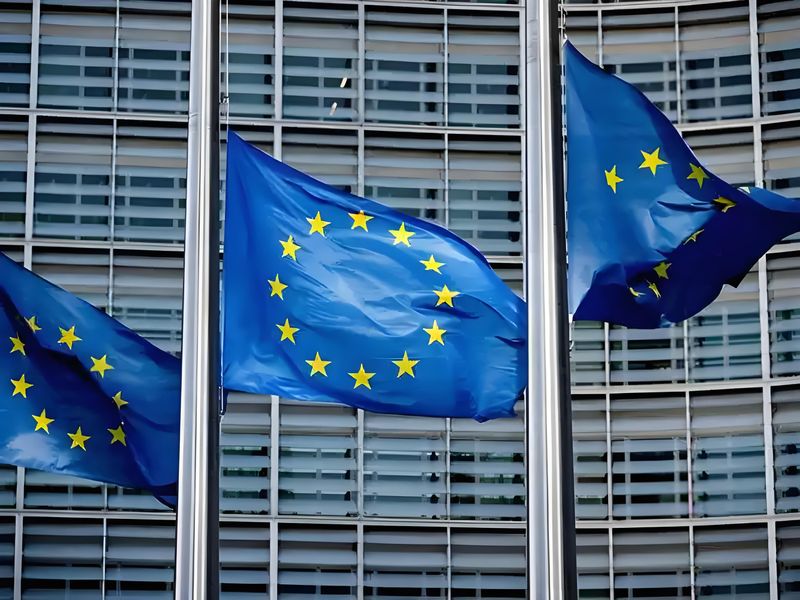
EU Sets New Phase of Climate Goals, Defines 2040 Emission Reduction Route
The EU has taken another significant step in advancing climate transformation. After multiple rounds of negotiations, the European Commission, European Parliament, and member state representatives have reached a preliminary agreement on the core framework of the 2040 greenhouse gas reduction targets. According to this new consensus, the EU will cut emissions by 90% compared to 1990 levels by 2040, ensuring the region achieves full economic and social net-zero emissions by 2050.
This target is seen as a crucial milestone in the EU's "climate roadmap," aimed at providing member states with a clear mid-term direction to facilitate the transition planning for high-emission industries such as industrial, energy, and transportation sectors.
Member States Reach Compromise in Brussels, Increasing Flexibility
This round of negotiations took place overnight in Brussels, achieving a breakthrough only in the early hours of Wednesday. Denmark, the EU's rotating presidency, announced that a tripartite consensus on the core content of the legal text has been reached, paving the way for formal legislation.
Denmark's Climate Minister, Lars Aagaard, stated that the new emission reduction goal is based on scientific grounds while considering the economic capacity of member states. "This agreement demonstrates that the EU is confronting climate challenges in a unified manner, without compromising competitiveness."
The most contentious issue during the negotiations was the proportion of international carbon credits used. Eventually, all parties agreed to increase the maximum participation of international carbon credits in emission reductions to 5%, higher than the 3% initially proposed by the European Commission. This means the EU's future domestic actual emission reduction target is approximately 85%, with the remaining reductions achievable through overseas carbon-offset projects.
All parties believe this mechanism will provide additional space for resource-limited member states, preventing short-term impacts on industrial competitiveness.
Continued Pressure from 2050 and 2030 Targets; Industrial Transformation Urgent
The EU has set two binding long-term goals:
- Net-zero emissions by 2050
- 55% reduction by 2030 compared to 1990 levels
Although the 2030 target is nearing completion, some industries are lagging behind expected decarbonization progress. To avoid policy gaps, the EU aims to drive member states to initiate industrial planning early through clearer 2040 targets, particularly promoting structural reforms in the energy, manufacturing, and transportation sectors.
Climate policy observers indicate that the new framework agreement will force the EU to accelerate the deployment of wind, solar, hydrogen, carbon capture, and storage technologies over the next decade. At the same time, high-emission industries may face stricter regulations and carbon cost pressures.
Mixed Reactions from the Market and Environmental Groups; Balancing Economy and Environment is Key
Following the announcement of this agreement, environmental groups believe the EU can set even more ambitious goals, urging accelerated reduction in fossil fuel dependency. The business community, however, is generally concerned about the cost impact of emission targets, particularly heavy industry nations worried about potential challenges to competitiveness.
Analysts suggest that by allowing a higher proportion of international carbon credits, the EU has sent a buffering signal to the industry, helping stabilize investment expectations.
EU Climate Policy Enters 'Acceleration Period'
With the 2040 target framework now in place, the EU will enter a period of accelerated climate legislation and regulation. In the coming months, the EU will continue advancing carbon market reform, green industry plans, and evaluations of member state reduction paths. External expectations suggest that as net-zero targets draw closer, the EU will face more frequent coordination and policy negotiation.
This agreement is not only a technical advancement in climate policy but also marks the EU's reaffirmation of its long-term climate strategy. Global climate governance might enter a new phase under the EU's leadership.