High Market Sentiment Ahead of Annual Meeting
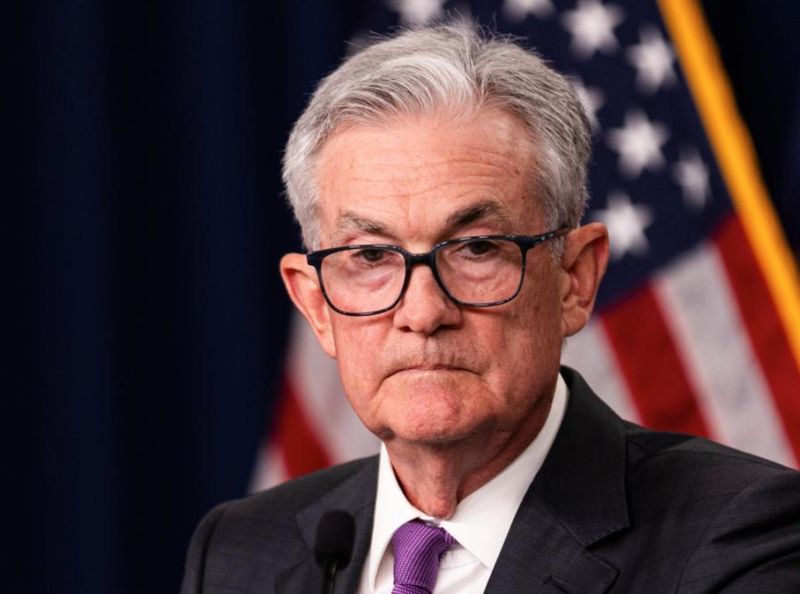
As the Jackson Hole global central bank meeting approaches, investors are closely watching Federal Reserve Chairman Powell's speech. The market generally believes that his remarks could set the tone for the September FOMC meeting. Bond traders have already positioned themselves, hoping Powell will signal a clearer dovish stance.
Focus on Rate Cut Expectations
Currently, the market is almost certain of a 25 basis point rate cut by the Federal Reserve in September, with the probability of another cut by the end of the year rapidly increasing. Some traders are even betting that the Fed might introduce a significant 50 basis point easing in September, although this possibility remains contentious.
Historical Experience Offers Comparison
Looking back, Powell has repeatedly influenced market trends at past meetings. Three years ago, his tough stance against inflation caused short-term bond yields to surge; last year, he hinted that a rate cut cycle was imminent, leading to a swift reversal in bond market prices. Thus, this year's speech is seen as a potential key moment to again reshape market expectations.
Double Pressures of Politics and Data
From the White House, Trump and his cabinet continue to pressure for quick rate cuts to stimulate the economy. Although Powell remains cautious, political pressure and economic realities have limited his room for maneuver. Economic data becomes the deciding factor: the weakness in the labor market and inflation trends directly affect the potential scale of rate cuts.
Bond Market Reaction Appears Early
Driven by market expectations, U.S. Treasury yields have fallen across the board in August, with a significant drop in the two-year Treasury, whose yield once approached 3.75%. The yield curve steepens, indicating a decline in short-term interest rate expectations while potentially increasing long-term risk premiums, highlighting the market's complex assessment of the policy path.
Non-Farm Data May Be the Ultimate Arbitrator
Despite strong confidence in rate cuts, investors generally believe the upcoming non-farm employment report will be decisive. If the data shows a significant slowdown in employment, the Federal Reserve might easily press the rate cut button, possibly even opting for more aggressive measures. Conversely, if employment remains robust, the extent of rate cuts may be limited.
Inflation Remains the Biggest Uncertainty
Amidst the backdrop of inflation not yet fully controlled, preemptive significant easing poses risks. Some strategists warn that if fiscal stimulus from tax reforms combines with rapid rate cuts, it could lead to economic overheating, forcing the Fed to shift back to tightening in the future. Such policy reversals would undermine the Fed's credibility.
Investors Approach with Cautious Optimism
Most institutions expect that Powell will not directly commit to the extent of rate cuts during his speech but will emphasize a "data-dependent" stance. The market's focus will be on whether his tone is dovish and if he hints at concerns over employment risks. For bond investors, this may mean short-term volatility, but the long-term trend still points towards easing.
The Starting Gun at a Key Moment
The Jackson Hole meeting is becoming a pivotal point for Federal Reserve policy shifts. Every word from Powell could trigger a chain reaction in the market. For traders, this speech isn't just a window into the Fed's direction but also the "starting gun" for betting on future yield trends. The global financial market is holding its breath in anticipation.