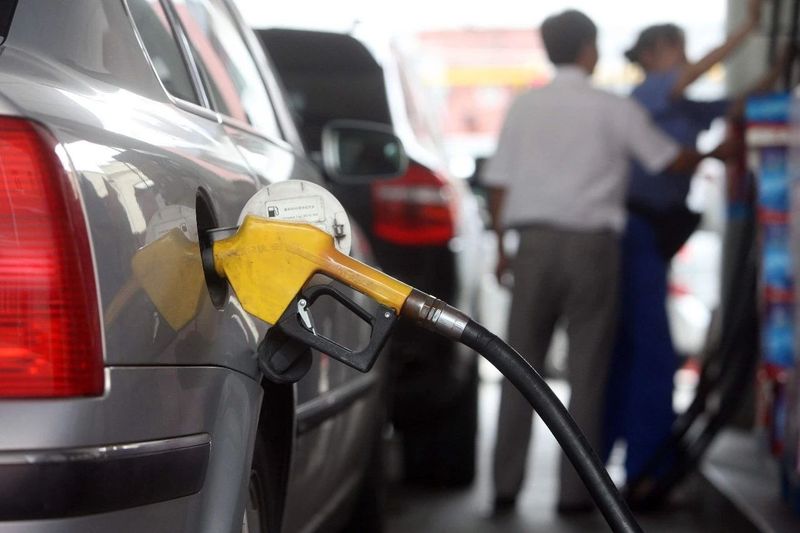
Rising Demand for Fuel Vehicles, Global Car Market Trends Changing Again
The latest report from Ernst & Young (EY) shows that global automobile market trends are reversing, with fuel vehicles regaining popularity among consumers due to changing policy environments and concerns about the costs of electric vehicles. The rapid transition to electrification is facing multiple challenges amid geopolitical tensions, increasing trade frictions, and unfulfilled expectations for charging infrastructure development.
Survey results indicate that unlike in recent years, when governments worldwide vigorously promoted the adoption of electric vehicles, the current market sentiment is more cautious, with traditional internal combustion engine vehicles receiving more purchase considerations.
Policy Headwinds Intensify, Electric Vehicle Transition Slower Than Expected
In the United States, the Trump administration's recent proposal to lower fuel economy standards has garnered significant market attention. This move is viewed as policy support for the fuel vehicle industry, aiming to ease the cost pressures on automakers due to tightening emission standards. Meanwhile, the European Union is also discussing relaxing its previously set 2035 ban on fuel vehicles, with market expectations that future regulatory pathways might be more lenient than originally planned.
The head of EY's automotive sector pointed out that this series of policy relaxations reflects a realistic response from countries to the slowing pace of electric vehicle adoption. Despite ongoing technological advancements, factors such as costs, supply chain issues, and inadequate infrastructure prevent electric vehicles from fully meeting consumer needs.
Consumer Confidence Fluctuations, Electric Vehicle Costs and Infrastructure are Key Pain Points
EY research shows that consumer interest in electric vehicles has noticeably declined from last year. The prices of electric vehicles remain higher than comparable fuel models, and fluctuations in battery raw material costs have increased overall car purchasing budget pressures. Additionally, uneven charging network distribution in some countries and the uncertainty of long-distance travel have caused many consumers to revert to fuel vehicles.
Data indicates a significant decrease in the proportion of consumers planning to purchase electric vehicles, while there is a notable increase in those preferring fuel vehicles, highlighting that cost and convenience remain key factors influencing car purchase decisions.
Chinese Market Shows Differentiated Trends, Users Focus on Digital Experience
Among major car markets, Chinese consumers still exhibit a higher acceptance of electric vehicles than in other regions, but the logic behind their preferences is changing. EY notes that Chinese consumers purchase electric vehicles not solely due to changes in the energy structure but because they place greater importance on the integration of the vehicle with digital life experiences, such as smart cabins, autonomous driving assistance systems, and in-car ecosystem services.
This implies that the competitiveness of electric vehicles in China lies in their technology and software ecosystem rather than the power type itself. With domestic automakers actively investing in intelligence, the electric vehicle market maintains a certain growth momentum.
Geopolitical Influences Affect Car Buying Decisions, Some Consumers Delay Purchases
Geopolitical conflicts, trade sanctions, and supply chain uncertainties significantly impact consumer attitudes toward electric vehicles. EY's survey found that over one-third of potential electric vehicle buyers are choosing to delay or reconsider their purchasing plans due to geopolitical factors.
Analysis suggests that this group is concerned about potential changes in subsidy policies, battery supply stability, and maintenance service costs, making fuel vehicles a more prudent choice in the short term.
Automakers Need to Find Balance in Dual-Track Demand
With the resurgence of fuel vehicle demand, global automakers are facing new strategic choices. On one hand, they must continue investing in electrification paths to meet long-term emission reduction targets, while on the other, they need to ensure the competitiveness of traditional models to adapt to the current market structure changes.
EY states that over the coming years, a dual-track pattern of "electrification and fuel vehicles coexisting" will persist, requiring companies to find a new balance point between technology paths, supply chain investments, and cost control.