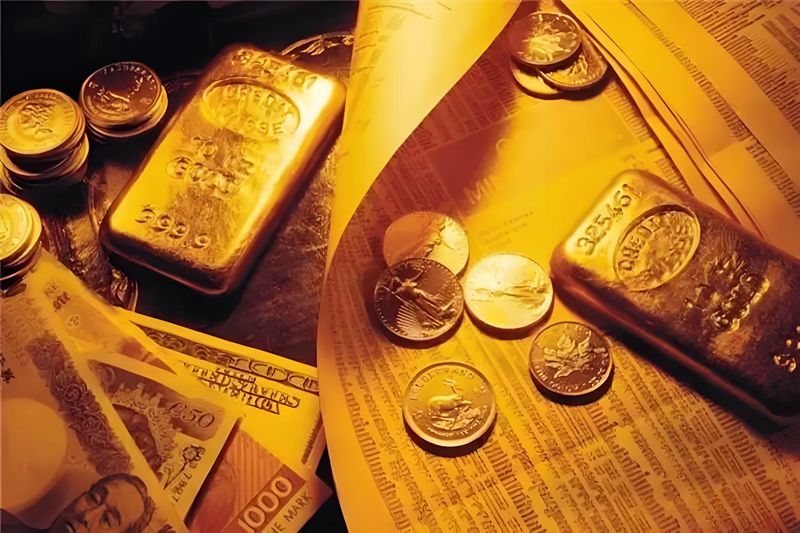
Gold Prices Break Strongly, Market Sentiment Entirely Shifts
On Monday, gold prices surged significantly in the US market, with spot gold closing at $4,115, a single-day increase of nearly 3%, marking the highest closing price since late October. Accompanying weak US economic data and rising expectations of a Federal Reserve interest rate cut, safe-haven assets have returned to the investment spotlight. Analysts pointed out that this rapid rise in the gold market reflects investors' dual concerns about economic uncertainty and ambiguous policy directions.
Meanwhile, spot silver rose more than 4%, showing equally impressive performance. The rise in market risk aversion has made precious metals a "safe haven" for capital, especially in the context of intertwined US inflation, employment, and policy divisions, the strategic value of gold has been magnified again.
Weak US Economic Signals, Rate Cut Expectations Rise Again
The key factor driving the surge in gold prices is the series of weak data released last week. Notably, non-farm payrolls in October decreased significantly, particularly in retail and government sectors, highlighting the deep impact of the shutdown on the economy. Consumer confidence index also dropped significantly, indicating that residents' expectations for the future economy are becoming pessimistic.
The market reacted swiftly. According to the CME FedWatch tool, the probability of a 25 basis point rate cut in December rose to 64%, and expectations for further cuts in January next year reached 77%. This suggests that the Federal Reserve may prematurely enter a new easing cycle. Precious metals analyst Peter Grant noted, "Weak data makes the Federal Reserve more inclined towards a dovish path, and a low-interest-rate environment will undoubtedly provide sustained support for gold."
Policy Differences Intensify, Gold Prices May Face New Volatility
Despite rising expectations of rate cuts, there are clear divisions within the Federal Reserve. Some officials fear a rebound in inflation and advocate for maintaining a tightening stance; others believe an economic slowdown is more concerning, calling for faster easing. St. Louis Fed President James Bullard warned that early rate cuts may undermine inflation control efforts, while San Francisco Fed President Mary Daly suggests that productivity gains from artificial intelligence could alleviate price pressures.
Analysts believe that uncertainty within the Federal Reserve will be a major driver of short-term gold volatility. "No matter which side prevails, the market will interpret it as a potential easing signal, providing upward space for gold prices," noted a London metal trader.
Government Shutdown Risk Eases, but Safe-Haven Demand Remains
The US Senate is pushing for a compromise plan to end the government shutdown that has lasted over 40 days, temporarily boosting market risk appetite as Treasury yields rise and stocks rebound. However, gold has not fallen due to the improvement in risk sentiment; instead, it continues to strengthen.
Analysts note that while the end of the shutdown may temporarily boost confidence, its distortion of economic data and lag effect in fiscal spending will persist, suppressing monetary policy expectations. Investors still tend to hold gold to hedge against economic slowdown and recurrent inflation risks.
Trade and Tariff Uncertainty Boosts Safe-Haven Buying
Apart from economic fundamentals, global trade instability is also a major driver for gold's rise. The Trump administration's tariff policies have again raised market concerns, contributing to higher prices for some imported goods, cautious corporate procurement, and tension in global supply chains. US imports are down nearly 8% year-on-year, with goods from China down over 16%.
The spread of trade barriers heightens economic uncertainty, reinforcing gold's "insurance" function in global asset allocation. Analysts note that if Federal Reserve rate cuts coincide with trade tensions, gold prices may further break the current range, pushing towards $4,300 or even $5,000.
A New Cycle of Safe-Haven Demand Under the Shadow of Inflation
Market consensus is that in the coming weeks, gold prices will depend on Federal Reserve officials' speeches and upcoming inflation and employment data. If signs of rate cuts become clearer, gold may experience a new upward wave.
From an investment structure standpoint, the continued inflow of ETF funds and central bank gold purchases also support the market. Regardless of short-term fluctuations, gold is becoming an important hedge option for global capital against policy uncertainty and economic recession risks.