
Will Trump Announce a Candidate Early? Market Focuses on Powell's Successor
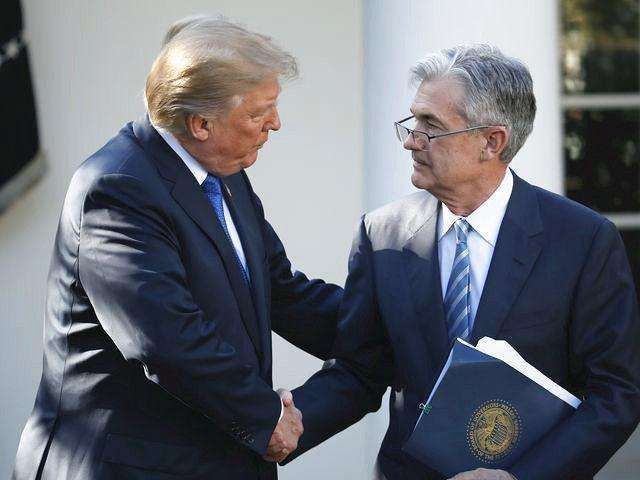
U.S. President Trump stated this month that he will "soon" announce the next Federal Reserve Chair nominee. The current Chair, Powell, serves until May 2026, and typically, the White House announces the successor 3-6 months before the term ends. However, Trump might break tradition by making an early announcement, drawing significant market attention.
According to media reports, potential candidates include former Federal Reserve Governor Kevin Warsh, Treasury Secretary Scott Besent, National Economic Council Director Kevin Hassett, and current Governor Christopher Waller.
Summers: Trump Unlikely to Appoint an "Unorthodox" Candidate
Regarding the upcoming choice, former U.S. Treasury Secretary and Harvard professor Lawrence Summers expressed his views publicly. He expects Trump will appoint a "rational and highly respected" candidate, stating, "I would be very surprised otherwise."
He noted that although Trump is characteristically assertive, given the financial market's sensitivity to the Fed Chair choice, the president is unlikely to select a "radical outsider." He added, “I have more faith than some that Trump will make a reasonable selection.”
Summers analyzed that Trump, constrained by market stability needs and conservative voices within the Republican Party, will have to ensure the nomination's acceptability.
Trump Frequently Criticizes Powell, Seen as Preparing to Shift Blame
Since taking office, Trump has repeatedly criticized Federal Reserve Chair Powell for not cutting interest rates significantly in time. This week, he again stated that current rates should be lowered by at least two points, joking that he "would do better" as the Federal Reserve Chair.
Summers commented that this might be Trump's way of "shirking responsibility for a potential economic downturn," rather than genuinely intending to influence Federal Reserve independence.
He noted, "Trump is creating a political atmosphere where, if the economy falters, he can blame Powell rather than his own policies."
Tariff Policies Could Constitute a "Supply Shock," Increasing Fed Challenges
Notably, Summers also criticized the recent tariff policies of the Trump administration. He pointed out that the Fed, in its latest forecast, raised both inflation and unemployment predictions, indicating that tariffs are pressuring supply chains.
"The supply shock will make the Fed's job more difficult," Summers warned, "as it increases prices while suppressing employment."
He urged the market to focus on long-term structural risks and stated that if Trump is re-elected and implements tougher trade measures, it could further disrupt policy-making space.

