

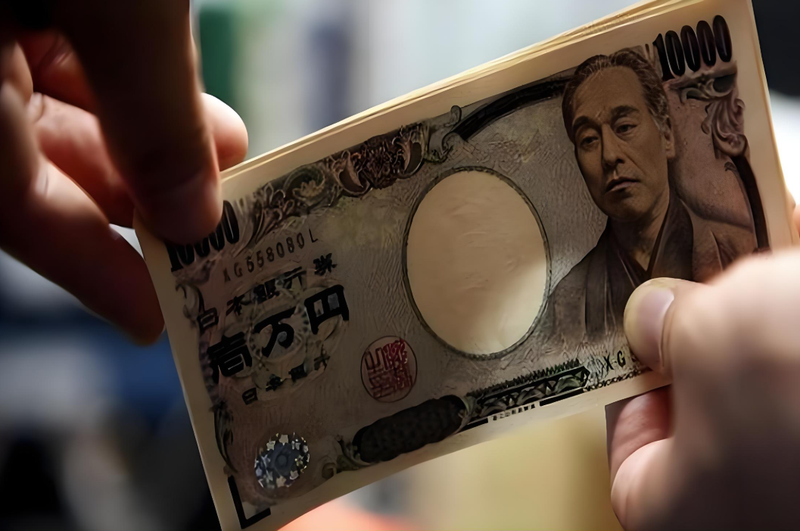
The USD/JPY High Volatility, Market Sentiment Turns Cautious
During Thursday's trading session from Asia to North America, the USD/JPY fluctuated around 153.50, with market sentiment becoming cautious. Investors are in a "double validation" phase: on one hand, they are watching to see if U.S. employment and wage data can bolster expectations of a Fed rate cut; on the other, they are closely monitoring whether the Bank of Japan will take substantive steps toward tightening monetary policy by year-end.
Although the exchange rate remains near its recent highs, technical indicators show weakening momentum. The USD is under pressure near 154, with short-term support concentrated in the 153.40 to 152.90 range. Analysts point out that the market is digesting the "hedging effect" of U.S. economic slowdown versus Japan's tightening policy, with volatility likely to rise in the coming weeks.
U.S. Economic Slowdown Weakens Dollar Yield Advantage
Recently, a surge in layoffs at U.S. companies and declining labor demand have heightened expectations of another Fed rate cut this year. Multiple employment indicators show a slowdown in hiring activity with cooling wage growth momentum. Investors believe the cumulative effects of the tightening cycle are becoming evident, potentially forcing the Fed to signal easing sooner than planned.
CME data shows the market currently prices a 65% probability of a 25 basis point rate cut in December. If future inflation and employment data remain weak, short- to medium-term U.S. Treasury yields may fall further, compressing the yield spread with yen assets. This change is weakening the structural support for the dollar, making USD/JPY more sensitive to external negative factors.
Japanese Policy Signals Strengthen, Rate Hike Probability Surges
In contrast to the U.S. rate cut expectations, Japan's chances of a rate hike have recently increased significantly. The latest data shows a 1.9% year-on-year growth in Japan's nominal wages, with major unions planning to push for about a 6% salary increase for regular employees next year. While current wage levels are still insufficient to drive high inflation independently, signs of inflation stickiness are strengthening.
Market pricing indicates about a 50% probability of a Bank of Japan rate hike by year's end, with a potential 25 basis point tightening by the first quarter of 2026. If the Bank of Japan confirms the sustainability of wage growth trends, an earlier exit from ultra-loose policy might be initiated. This would raise the short end of the yen's yield curve, diminish carry trade attractiveness, and impose medium-term pressure on USD/JPY.
Technical and Market Structure: Range Trading Continues
From a technical perspective, USD/JPY is in a short-term consolidation range, with the MACD indicator turning negative and the RSI in a neutral-to-weak zone, indicating declining buying momentum. If the price breaks below the 153.40 support, it may test the 152.90 level; conversely, if it breaks above 154.35, it could challenge previous highs.
Traders note that the market is currently in a "wait and see" phase, where strengthening policy signals from either side could serve as a catalyst to break the stalemate. Short-term volatility is likely to revolve around policy expectations rather than driven solely by individual economic data.
Bilateral Policy Play Dominates Exchange Rate Direction
In the coming weeks, the USD/JPY outlook will depend on the "synchronization" of policies from both ends. If U.S. inflation cools, employment weakens, and Japanese wage growth comes into play simultaneously, the rate may adjust downward; conversely, if the Fed delays rate cuts while the Bank of Japan remains on hold, the dollar could regain support.
Overall, the market is entering a new phase shaped by both interest rate differentials and policy communications. By the end of the year, statements from the Bank of Japan and speeches from Fed officials will be key variables determining whether USD/JPY can hold the 155 threshold.

