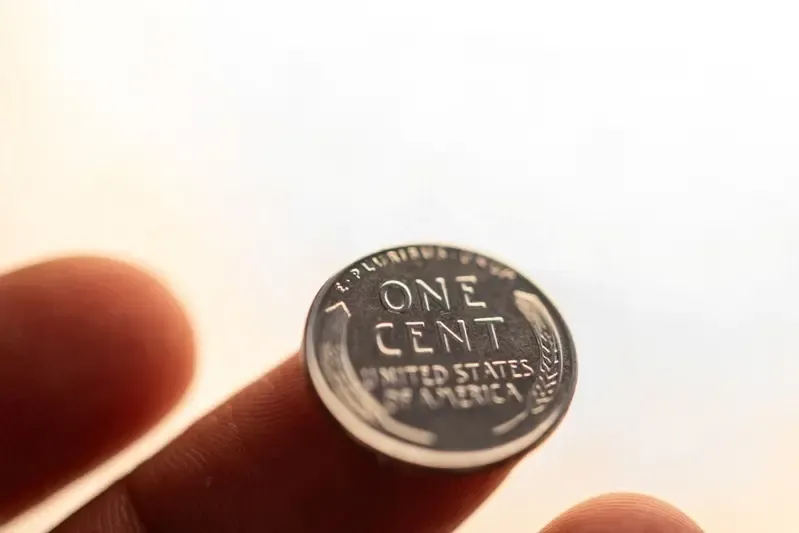
Decision to Cease Minting Triggers Ripple Effect
After the U.S. government announced the cessation of minting the penny, a nationwide retail "change shortage" swiftly ensued. Since the summer, merchants in several states have reported an inability to provide change at checkout, forcing customers to use electronic payments or accept "rounded transactions." Although the intention was to cut minting costs, the ripple effect of the policy far exceeded expectations. Some convenience stores attempted to attract the public to "return" pennies through promotional activities, but the results were limited.
Industry insiders point out that while the penny holds a marginal position in everyday use, it plays a micro-balance role in the transaction system. With minting stopped, the supply chain breakage has led to a disruption in the smooth circulation of coins, presenting the retail sector with unprecedented operational challenges.
Retail Under Pressure: Profit Margins Eroded
Many businesses have chosen to round prices either down or up to the nearest nickel, but both approaches imply cost pressure. Rounding down cuts into profits, while rounding up causes consumer dissatisfaction. According to retail association estimates, the overall loss has already reached tens of millions of dollars.
With the Thanksgiving and Black Friday shopping peaks approaching, cash transaction volumes have surged, exacerbating the coin shortage dilemma. Some chain stores have even temporarily set up "change recycling stations" to exchange coins in customers' possession.
Regulatory and Legislative Hurdles
Although the U.S. Treasury expects to save approximately $56 million annually by halting minting, differences in state laws regarding transaction rounding complicate policy implementation. In some states, it remains illegal to round bills to the nearest nickel, putting businesses in a legal gray area. Congress is discussing a legislative amendment, but the process is slow.
Additionally, currency transportation and clearing institutions are also reducing penny-related operations. About one-third of the coin machines nationwide have stopped accepting this denomination, and bank reserves have rapidly declined, further compounding the shortage.
Public Sentiment and Cultural Conflict
While most Americans have long been accustomed to non-cash payments, the penny remains deeply ingrained as a cultural symbol. Many view it as a "lucky coin" or collectible, leading to a substantial number of coins lying dormant in household jars, making their return to circulation challenging. Banking sector individuals note that even if the government stops production, old pennies stockpiled by the public will trickle back over several years but won't quickly fill the supply gap.
International Experience: Incremental Phase-Outs More Viable
Comparing international examples, currency reforms in Canada and the United Kingdom both adopted gradual phase-out strategies. Canada announced cessation in 2012 and completed the withdrawal over ten years; the UK spent more than a decade restructuring its currency system. Economists suggest that if the U.S. adopts a more gradual approach, it may alleviate retail sector impacts and public dissatisfaction.
Currently, several think tanks recommend the Treasury Department establish coin exchange incentives and gradually expand electronic payment coverage to ensure a smooth transition.
Policy Impact Yet to be Verified
The long-term effects of ceasing the minting of the penny remain to be seen. The Treasury emphasizes that this move represents "economic efficiency" and "fiscal responsibility," but feedback from retail and banking systems indicates that real-world impacts may be more complex than the theory suggests. It is generally expected that the "coin vacuum period" will last at least until mid-2026, with American society potentially needing more time to adapt to the new norm without the penny.