
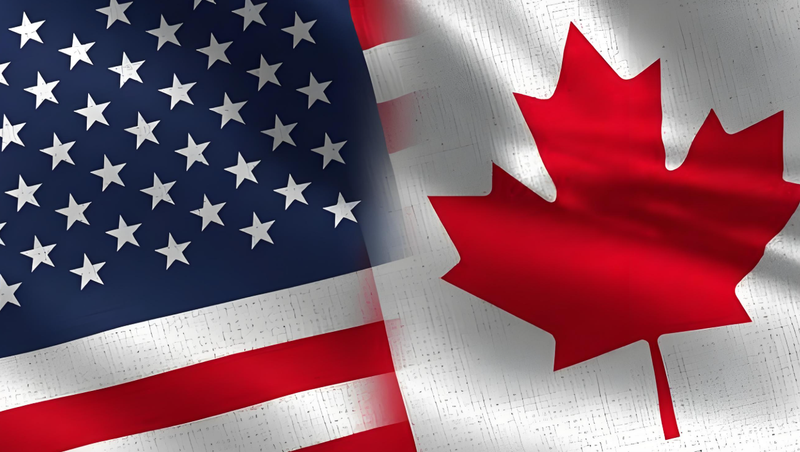
Tariff Disputes Trigger Consumer Boycott
The US-Canada trade friction has continued to escalate following the upgrade of tariff policies, transforming Canadian consumers' resistance from the public discourse to actual purchasing behavior, significantly affecting the alcohol market. Due to the US imposing additional tariffs on Canadian goods, Canadian citizens and the liquor retail system have drastically reduced or even completely stopped purchasing American products, quickly removing once significant US spirits and wines from the Canadian market.
Liquor sales systems in many Canadian provinces are officially operated, meaning that once policy adjustments are made, American liquor will rapidly lose channel support. This institutionalized boycott has caused American exporters to lose a stable market in a short period.
Export Value Falls Precipitously
Industry data shows that exports of US spirits and wines to Canada in the first half of the year have dropped by more than 60%, with some categories even falling to zero. For small and medium-sized wine companies relying on the Canadian market, the impact of this change is not only financial but also undermines their international plans.
American liquor producers admit that Canada was one of the most important export destinations in the past. The current situation forces them to reassess their North American market strategy. Some companies are beginning to seek a shift to European and Asian markets to compensate for the loss of Canadian orders, but it's challenging to completely fill the gap in the short term.
Opportunity for Homegrown Brands
Against the backdrop of the exit of American liquor, Canadian domestic liquor brands have seized a rare market opportunity. Local wine companies in several provinces have achieved double-digit sales growth, not only consolidating their existing market but also attracting consumers who previously preferred American products.
Ontario's finance department reveals that the sales of domestic spirits and wines have steadily increased since the implementation of the boycott policy, improving the profitability of local wine companies and driving demand growth in the local raw materials supply chain, benefiting related industries such as planting and transportation.
Consumer Fragmentation and Market Expectations
It is noteworthy that while most consumers actively participated in the boycott, some buyers stockpiled imported American wines extensively while trade negotiations remained unresolved to prevent a further tightening of future supply. This fragmented behavior causes short-term sales data to fluctuate, challenging retailers' inventory management.
At the same time, industry analysts believe that if the trade dispute continues, American wines may form a long-term vacancy in the Canadian market, and domestic brands may gain more shares in the mid-to-high-end market. However, this structural change could also raise the prices of import substitute products, thus affecting overall consumption levels.
Bilateral Relations and Industry Outlook
The setback in US-Canada wine trade is not only a direct reflection of the tariff conflict but also highlights the instability of bilateral economic and trade relations. Once the long-term trust foundation is undermined, restoring cooperation will require more time and greater political and economic mutual trust-building.
In the future, the Canadian domestic wine industry may continue to benefit from this trend, but for wine companies heavily dependent on cross-border trade, adjusting their strategy and seeking diversified markets will be key to survival. The direction of international trade negotiations will directly affect whether the wine industry can undergo structural recovery or form a new normal.

