
Macron Enlists Ally to Tackle Challenges
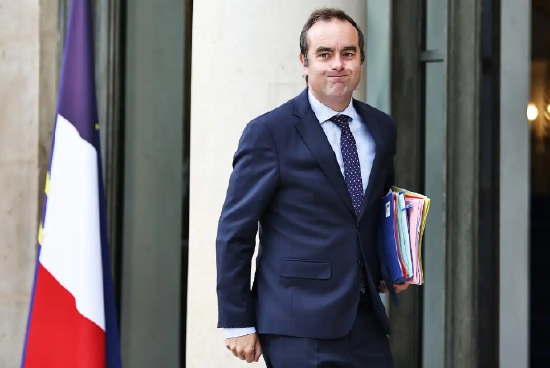
French President Macron has officially appointed former Defense Minister Sébastien Lecornu as the new Prime Minister. This decision not only reflects his reliance on key allies but also indicates the need for someone familiar with the system and possessing strong execution skills to handle crises amid political turmoil and increasing deficit pressures. Lecornu, a longtime political ally of Macron, has served in key roles across multiple governments, with experience in defense, local governance, and ministerial affairs, earning a reputation as a "politically savvy pragmatist."
Primary Task Amidst Deficit Pressure
Lecornu's primary task upon assuming office is to ensure the smooth passage of the 2026 budget. However, France's current deficit level is one of the highest in the Eurozone, making fiscal rectification an imminent challenge. The past two Prime Ministers failed to secure budget support in parliament, highlighting the sensitivity of fiscal policy in French political struggles. Whether Lecornu can balance deficit reduction with social welfare needs will determine the stability of his administration.
Parliamentary Deadlock Difficult to Resolve
The French parliament is now highly fragmented. The far-right "National Rally" and the left-wing "Unsubmissive France" strongly oppose government policies, continuously calling for new parliamentary elections. They criticize the Macron government's austerity measures for exacerbating social inequality and advocate alternative deficit solutions. This political divide makes legislative progress arduous, posing significant challenges to any fiscal reform initiatives.
Lecornu's Political Challenges
As the fifth Prime Minister in two years, Lecornu faces challenges well beyond those of his predecessors. He must maintain the government's credibility while making necessary compromises with the opposition. Analysts suggest he may adopt a "step-by-step" strategy, initially implementing small fiscal adjustments to build parliamentary support, then gradually guiding society towards stricter budgetary measures. Simultaneously, he must address public expectations regarding employment, education, and healthcare to prevent fiscal austerity from inciting larger protests.
Testing Policy and Social Reactions
French society is traditionally sensitive to budget cuts, with a history of widespread strikes and street protests. Should Lecornu's budget involve welfare reductions, it will undoubtedly trigger societal unrest. Conversely, if fiscal discipline is delayed, France's debt level may climb further, raising market concerns over its sovereign credit. Lecornu must find a delicate balance between social stability and fiscal sustainability, a rigorous test of his political acumen.
Uncertainty Over the New Prime Minister's Future
Although Lecornu's appointment underscores Macron's emphasis on government continuity, the uncertainty in French politics remains pervasive. The divided parliament, the staunch opposition, and public discontent with austerity measures limit Lecornu's political maneuverability. In the coming months, the trajectory of the budget will serve as the first critical test of his governance capabilities.

