• Home
  • Categories
  • News
  • Community
EN
EN
Home
CategoriesNewsGlossaryCommunityAbout Us
Contact Us
Social Media
Region
🌏International
Region
🌏International

Copyright © 2023-2026 Traderknows Ltd. All rights reserved.

Contact
Home
/
News
/
Russia keeps rates high amid inflation and overheating risks.

Russia keeps rates high amid inflation and overheating risks.

TraderKnowsTraderKnows
2025-04-27
Summary:The Russian central bank maintained the benchmark interest rate at 21% for the fourth consecutive time, as inflationary pressures and the overheated economic situation have not significantly eased.

2025.4.27 Russia Central Bank

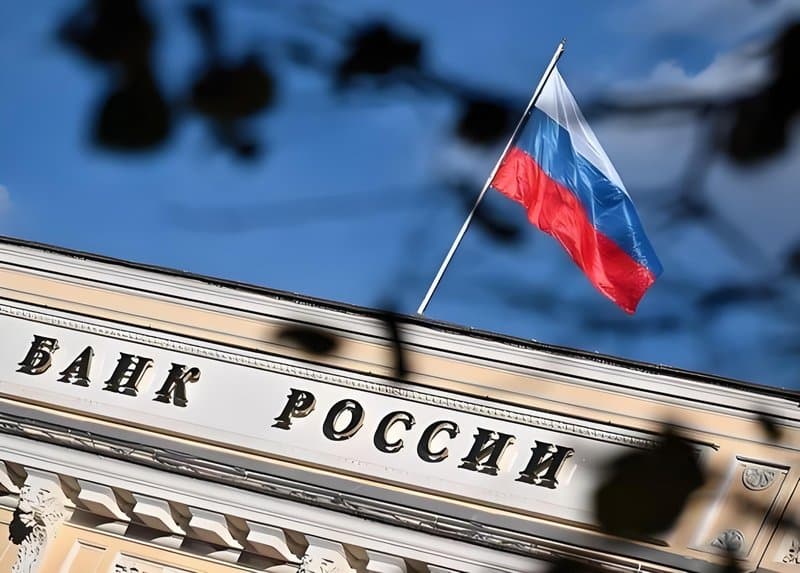
April 27 - The Russian Central Bank announced on the 25th that it would keep the benchmark interest rate unchanged at 21%. This is the fourth consecutive time since last October that the Russian Central Bank has maintained this historically high level, reflecting a continuation of tight monetary policy in the face of high inflation and economic overheating pressures.

High Inflation Maintains Policy Tightening

The Russian Central Bank stated that although inflationary pressures have slightly eased, they remain elevated, and domestic demand continues to grow faster than the capacity to supply goods and services. Based on current economic data, the Russian economy has begun to transition gradually towards balanced growth, but the inflation target is still far from being achieved.

Unlike previous statements, this time the Russian Central Bank did not mention the possibility of further rate hikes but instead clearly stated that it would flexibly adjust interest rate policy based on the speed and sustainability of inflation rates and expectations, aiming to restore the inflation rate to 4% by 2026.

According to InFOM survey data, as of April 21, Russia's annualized inflation rate reached 10.3%, with perceived inflation by residents rebounding to 13.1% in April alone, and business price expectations as high as 19.8%, far exceeding normal levels seen between 2017 and 2019. Analysts noted that although there are signs of slowing inflation, it's still too early to conclude that this trend is sustainable, with ruble exchange rate volatility and international oil price changes remaining significant variables.

Bank of Russia Governor Elvira Nabiullina pointed out that escalating tariff wars and adjustments in global trade structures could trigger a chain reaction in the Russian economy, posing new significant risks. Meanwhile, although the ruble's strengthening in the first quarter alleviated imported inflation to some extent, its sustainability remains in question; if the exchange rate stabilizes, it could create room for moderate rate cuts in the future.

Signs of Economic Overheating Persist, Rate Cut Window Not Open

Despite heated discussions in the market about future rate cuts, some institutions predict the Russian Central Bank may slightly lower interest rates to 19% at the next meeting in June. However, there are also views suggesting that high rates may persist until mid-2026. According to the Russian Ministry of Economic Development, the inflation rate is expected to decrease to 7.6% by 2025, potentially falling to 4% by 2026.

Data shows that domestic demand in Russia remained strong in the first quarter of 2025. Although retail and corporate credit were suppressed by high rates, household incomes and budget spending continued to grow. The labor market tension, though slightly alleviated at the margins, still saw wage growth outpacing productivity, increasing cost pressures on businesses.

Experts generally believe that the Russian economy has developed a certain "tolerance" for high interest rates, and further rate hikes may instead stifle economic development. Meanwhile, the normalization of loan demand, the slowdown in consumer price growth, and declining inflation expectations, though providing potential room for rate cuts, currently lack sufficient evidence to support a trend towards deflation.

Economists point out that if geopolitical situations improve and international oil prices stabilize, Russia may start a gradual rate-cutting cycle in 2026. But if global trade tensions intensify or domestic fiscal expansion exceeds expectations, high rate conditions may last longer. In the future, the delicate balance between inflation and economic growth will be crucial for adjustments in Russia's economic structure.


Business Cooperation Skype ENG

Business Cooperation Telegram Eng

Risk Warning and Disclaimer

The market carries risks, and investment should be cautious. This article does not constitute personal investment advice and has not taken into account individual users' specific investment goals, financial situations, or needs. Users should consider whether any opinions, viewpoints, or conclusions in this article are suitable for their particular circumstances. Investing based on this is at one's own responsibility.

The End
Previous
Next
Comments
0/1000
TraderKnows
Written byTraderKnows
Created date:2025-04-27 03:20
Last Updated:2025-04-27 04:44
Independent Analysis: Manually researched and fact-checked by the TraderKnows Compliance Team, based on public regulatory records.
Wiki
Interest rate

Interest rates are one of the most crucial variables in the financial markets, affecting the economic decisions of individuals, businesses, and governments. In a broader sense, interest rates are defined as the cost of borrowing or the price of using funds, usually expressed as a percentage in the form of an annual interest rate. The level of interest rates directly influences economic investment, consumption, savings, and the overall rate of economic growth.

Organization

Active

TraderKnowsTraderKnows
Recent Post

Trump Invokes Defense Production Act with 850 Million USD for Coal Power to Meet AI Demand

06-05

NY Fed Index Shows High Supply Chain Pressures as Geopolitical Conflicts Raise Global Inflation Con…

06-05

Japan's Real Wages Rise for Fourth Consecutive Month, Fueling June BOJ Rate Hike Bets

06-05

China Flexible Employment Exceeds 300 Million as Blue-Collar Wage Growth Outpaces White-Collar for…

06-05

South Korean Stocks Post Steepest Weekly Drop Since March as Tech Valuations Reset

06-05

China Commercial Paper Rates Drop in Early June Amid Rising Bank Demand

06-05

UK House Prices Unexpectedly Fall in May as Geopolitical Tensions Push Up Borrowing Costs

06-05

Massive Intervention Fails to Save Yen as Short Positions Surge Near Historic Lows

06-05

AI Momentum Pauses as Broadcom Outlook Misses High Expectations; Markets Await Payrolls

06-05

SpaceX Launches 75B USD IPO Roadshow as Access Blocked in Mainland China and Hong Kong

06-05

Global Gold ETFs See $2 Billion Outflows in May as Capital Pivots to Tech Assets

06-05

Nikkei Drops Over 1% on Tech Sector Pullback While Real Wage Growth Provides Support

06-05

South Korea Lifts Mandatory Reporting for Crypto Transfers Over 10M Won

06-05

Amundi Says Asian AI Stocks Supported by Fundamentals as Fed Path Poses Key Risk

06-05

Taiwan Stocks Close 1.33% Lower on Broadcom Drop But Hold Key Technical Support

06-05

Risk Warning

TraderKnows is a financial media platform, with information displayed coming from public networks or uploaded by users. TraderKnows does not endorse any trading platform or variety. We bear no responsibility for any trading disputes or losses arising from the use of this information. Please be aware that displayed information may be delayed, and users should independently verify it to ensure its accuracy.