

Impressive Performance: Record-Breaking Holiday Season, Stronger Guidance from Management
Apple's latest fiscal quarter (ending December 27) delivered a robust performance: overall revenue hit a record high, with sales up 16% year-over-year to approximately $143.8 billion, significantly exceeding market expectations.
In the subsequent earnings call, the company provided an optimistic forecast: for the second quarter of fiscal year 2026, ending in March, revenue is expected to increase by 13% to 16% year-over-year, surpassing Wall Street's previous growth estimate of around 10%.
Emerging Cost "Shadow": Rising Memory Chip Prices and Supply Chain Disruptions in Focus
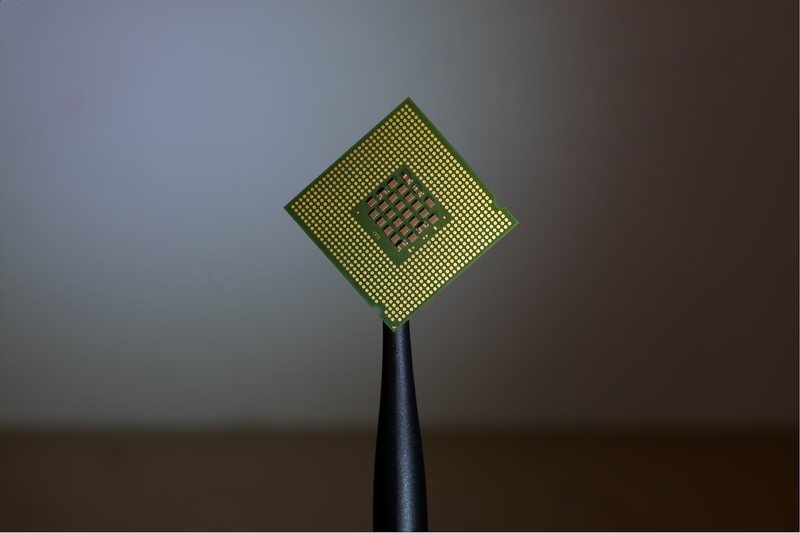
Beyond its optimistic guidance, management redirected market attention to the "cost aspect." Cook stated that the impact of memory chip costs was minimal last quarter but will more prominently affect gross margins in the current quarter, emphasizing that memory chip pricing continues to rise significantly.
Apple's gross margin last quarter reached 48.2%, not only higher than the company's previous guidance but also exceeding analyst expectations.
Meanwhile, the company also mentioned two independent supply chain issues: one related to the supply chain for the 3nm processors used in iPhones, and the other concerning the third-generation AirPods Pro supply chain.
The Rising Value of the "Cushion" Offered by Service Business: Hardware Profit Margins May Be More Sensitive
Institutional viewpoints suggest that, against the backdrop of consumer "fatigue" towards inflation and tightness in some critical components, Apple's hardware gross margins are more likely to face pressure in the coming quarters. Therefore, whether the higher-margin service business can remain resilient will be crucial to offsetting fluctuations in hardware costs.
From a product structure perspective, the iPhone remains the core engine: the company reports exceptionally strong iPhone demand this season, setting records in several regions, with high-end models performing particularly well, while Macs and wearables are considered relatively weak.
Market Reaction and Future Highlights: Margin Guidance, Tariffs, and AI Progress
Given the combination of "strong growth + rising costs," Apple's stock price experienced a volatile post-market reaction: initially surging, but then narrowing its gains; year-to-date, the stock remains in a pullback phase, while the S&P 500 has shown more stability in the same period.
Besides chip costs, the company also mentioned a $1.4 billion negative impact on holiday season performance due to tariffs. Additionally, the market remains sensitive to the progress of its AI plans, with investors paying closer attention to management's further expressions regarding investment, product timing, and monetization pathways.
