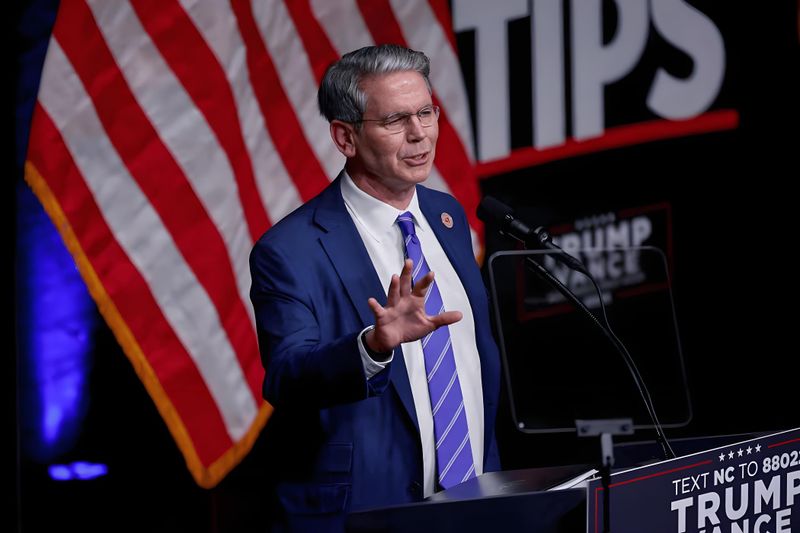
Bassett Emphasizes President's "Broad Tariff Authority"
In a recent public speech, U.S. Treasury Secretary Bassett stated that even if the Supreme Court ultimately strikes down tariff measures previously pursued by the Trump administration, the executive branch still has the power to rebuild a similar tariff system under the authority granted by law. He pointed out that the U.S. president can impose tariffs on imported goods under several trade acts, including Section 301 of the Trade Act, Section 232 of the Trade Expansion Act, and Section 122 of the Trade Act.
Bassett said that these legal frameworks provide enough flexibility for the White House to adjust trade policy and hinted that once tariff measures are implemented, they should be long-lasting to maintain pressure and market expectations. He also cited the International Emergency Economic Powers Act (IEEPA) as another legal basis for the president to enhance tariff tools.
Although some provisions, like the 122 statute, have explicit limitations on their duration, with tariff measures lasting no longer than 150 days, Bassett believes other laws are sufficient to support more prolonged tariff policies. He emphasized, "Regardless of the court's ruling, the executive branch has methods to continue advancing its trade agenda."
The Trump Administration Remains Optimistic About the Lawsuit
As the Supreme Court reviews the legality of Trump's tariffs, widespread attention is being paid to the potential impact of the ruling on future trade policies. Bassett expressed confidence that the government has a good chance of winning and plans to clarify future tax policies further after the ruling is published, including whether to use tariff revenue to reduce the income tax burden on residents.
Analysts suggest that if the court restricts presidential tariff authority, it could change the longstanding practice of using tariffs as a bargaining chip by various U.S. administrations; if the ruling upholds presidential power, it could open the door for more aggressive trade measures in the coming years.
Hassett Is the Top Contender, but the Treasury Remains Cautious
Besides the tariff issue, the selection of a new Federal Reserve Chair is drawing significant attention in the market. Bassett refused to disclose Trump's final decision but admitted that the list of candidates has been significantly narrowed. Recently, Kevin Hassett, Director of the U.S. National Economic Council, has become the most popular candidate.
Bassett emphasized that while the Federal Reserve Chair has significant influence, their voting power is equal to that of other members. "The Chair can guide discussions but cannot decide the interest rate path alone," he said, noting that some industries are under economic pressure, and rate cuts might provide relief, with real estate considered the most vulnerable sector at present.
Major Adjustments in Trade and Monetary Policy Could Occur Before 2026
As the White House's tariff policies and the future leadership of the Federal Reserve become clearer, U.S. economic policy is reaching a significant crossroads. The direction of tariffs could affect import costs and corporate investment, while the Federal Reserve's policy path is crucial to employment, real estate, and consumer spending.
The market generally anticipates that Trump will officially announce the next Federal Reserve Chair at the beginning of 2026, which will determine the monetary policy style and the level of independence for the coming years. Meanwhile, the Treasury's tariff rhetoric indicates that trade policy may continue to maintain a tough stance.
Regardless of the Supreme Court's decision, Bassett's remarks demonstrate the government's determination to continue advancing its tariff strategy, which will keep influencing the global trade landscape and risk appetite in financial markets.