Trump Calls for Election System Reforms Again
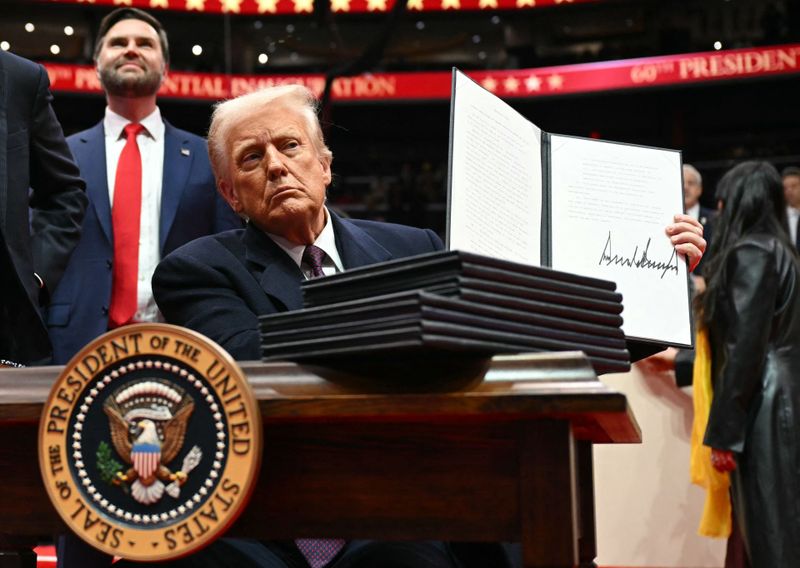
U.S. President Trump has recently stirred the election system debate once more, stating on social media his plan to sign an executive order before the 2026 mid-term elections to abolish mail-in ballots and restrict the use of electronic voting machines. This announcement has immediately sparked widespread controversy as it would touch upon the fundamental rules of the U.S. election mechanism.
Mail-In Voting at the Center of Controversy
Mail-in voting has been practiced in the U.S. for many years, especially during the pandemic, as it was considered to increase the convenience of voting. However, Trump has repeatedly questioned its legality and reliability, claiming that mail-in ballots are easily manipulated and could result in "unprecedented fraud," though he has not provided solid evidence. This rhetoric is highly consistent with his remarks after the 2020 election.
Voting Machine Security Concerns Amplified
In addition to mail-in ballots, Trump has also targeted voting machines. He described them as "inaccurate, costly, and controversial," stating that there is a need to completely eliminate their use. Multiple state election agencies and federal cybersecurity departments have previously emphasized that the U.S. voting system is overall secure and has not experienced widespread fraud, yet Trump’s remarks have continued to reinforce some voters' distrust in voting technology.
Uncertainty Looms Over Executive Order
According to the U.S. constitutional framework, there is significant debate over whether the President has the authority to directly abolish mail-in voting and voting machines. Election methods are largely determined by individual states, and any attempt by a federal executive order to override these could face judicial challenges. Legal experts generally believe that even if Trump signs the relevant order, its implementation would encounter multiple obstacles from state governments, Congress, and the courts.
Growing Divide Between Democrats and Republicans
Trump's statement quickly ignited debate between both parties. Democrats criticized the plan as an attempt to "strip voter rights," suggesting that its motive is to preemptively set a "fraud" narrative for potential unfavorable outcomes. Meanwhile, some Republican supporters agree with his proposal to "maintain election integrity," believing there should be greater regulation of election tools.
Election Integrity Debate Reignited
The issue of election integrity has been a focal point of debate in American society since 2020. Trump's persistent emphasis on the presence of "cheating" has kept this topic on the public agenda. Analysts point out that with the mid-term elections approaching, his recent statement is not only a policy declaration but also a political mobilization aimed at consolidating support from his voter base.
International Observation and Concern
Trump's latest remarks have also caught the attention of international media. Some comments suggest that if political disputes over basic voting mechanisms arise in the U.S., it could undermine its global image as a "model of democracy." If the legitimacy of elections is continually questioned, the international community's trust in the stability of American politics might further decrease.
Future Trajectory Fraught with Uncertainty
At present, Trump has not yet published a specific timeline or draft of the executive order. In the coming months, as preparations for the mid-term elections accelerate, American society is expected to engage in more intense debates over the election system. Experts warn that overly politicized arguments may further deepen societal divisions, and balancing "voter convenience" with "ensuring fairness" will test the resilience of the American system.