Escalating Political Crisis in France
As the parliamentary vote of confidence on September 8 approaches, the tense atmosphere in French politics continues to intensify. The main focus is whether Prime Minister Béru and his government can endure. An unfavorable vote could lead to a dissolution of the government and a call for new legislative elections, which would undoubtedly increase political uncertainty and impact the continuity of economic policies.
Rare Warning from the European Central Bank
Christine Lagarde, the President of the European Central Bank, issued a rare statement indicating that the collapse of any government in the Eurozone could pose regional risks. She noted that financial markets heavily depend on policy stability, and political upheaval often amplifies investors' worries about national risks. While she emphasized that the French banking system is robust enough to prevent a systemic crisis, she clearly warned that political dynamics have become a crucial factor affecting the Eurozone's economy.
Prime Minister Béru's Predicament and Remarks
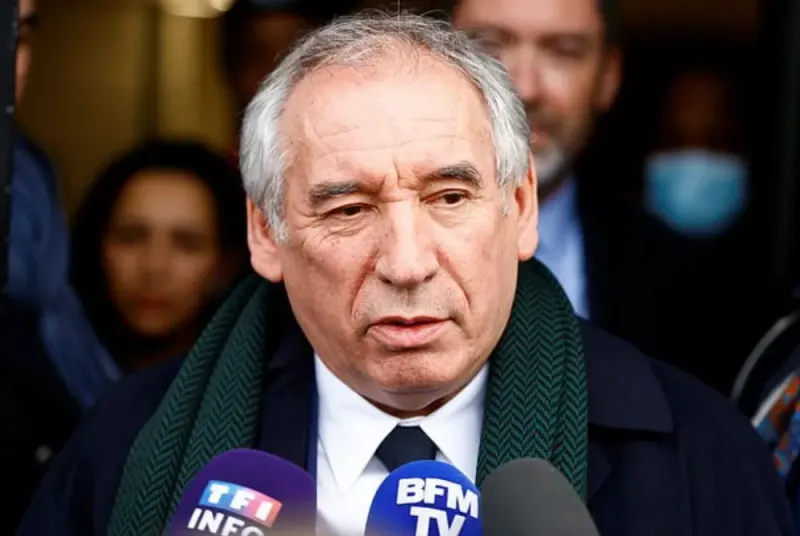
Amid rising pressure, Béru has not chosen to back down. During a media interview, he likened France to an "old leaking ship," stressing the necessity of his reform policies. He stated that the upcoming vote is not merely a judgement on him personally but a critical decision for France's future. He is attempting to garner public support through a tough stance and direct appeals, but significant doubts linger about whether he can sway the voting tendencies of the lawmakers.
Expansion of Far-right Influence
Polls indicate that the far-right party National Rally is rapidly expanding its political influence. Should the parliament be dissolved and new elections held, the National Rally and its allies could be the biggest beneficiaries, leading with 31% of the vote, significantly ahead of the left-wing alliance and the ruling Renaissance party. For President Macron's camp, this trend signals a potential fundamental reshaping of the political landscape.
Chain Reaction on Markets and Economic Outlook
The uncertainty in French politics is not just a domestic issue but one that could ripple through the entire Eurozone via market channels. Investors might adjust their bond and stock positions, and the Euro exchange rate could face pressure. The European Central Bank needs to find a balance between inflation, growth, and financial stability, and France's political turmoil undoubtedly adds complexity to this task.
Pivotal Week to Decide Future Course
With only a few days left until the vote of confidence, France is at a crucial crossroads. Regardless of whether Béru's government survives, the ongoing political struggle has already had a profound impact on market sentiment and economic forecasts. The European Central Bank's warning highlights the spillover effect of this crisis, and the political developments in the upcoming week will not only determine the fate of the French government but could also influence economic and financial stability across the Eurozone.