Trump's Tough Rhetoric Sparks a New Wave of Political Controversy
Recently, U.S. President Trump issued a series of aggressive statements on social media, reigniting tensions in America's political arena. He accused a group of Democratic lawmakers of inciting rebellion, even suggesting they should face the harshest legal penalties. The situation quickly drew strong condemnation from Democrats and sparked a new round of political struggle in Congress.
The incident originated from a video released by several Democratic lawmakers, urging intelligence and military personnel to refuse potential illegal orders. The video stressed that military loyalty is to the Constitution, not to any individual or politician. Trump interpreted this as urging the military to defy government orders and responded with a series of posts on social media.
Accusing Lawmakers of "Treasonous Acts," Rhetoric Unusually Intense
Trump used extremely harsh language in his posts, claiming the lawmakers' actions constituted "inciting rebellion." He further stated that these "traitors to the nation" should face judicial proceedings and emphasized the importance of "setting an example" to maintain national order.
More controversially, Trump even mentioned extreme punitive measures, attracting widespread attention. Such expressions are exceedingly rare in public statements by a U.S. President, causing significant concern both in political circles and the broader society.
At the same time, Trump also shared a post by a user calling for violence against Democrats, further intensifying concerns about escalating political polarization.
Democratic Lawmakers Jointly Repudiate: President's Remarks "Dangerous and Unacceptable"
The lawmakers featured in the video quickly issued a joint statement, denouncing Trump's public accusations as baseless and emphasizing that their statements were intended to safeguard the lawful duties of the military, not to provoke political division.
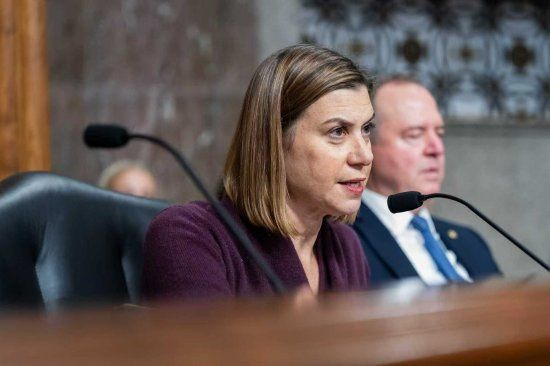
Michigan Senator Elissa Slotkin, as the video's organizer, called the President's accusations "absurd and dangerous," and urged Americans to recognize the risks of politically violent rhetoric. The statement emphasized, "We merely reminded military members to uphold constitutional duties, yet we are portrayed as criminals."
Several lawmakers pointed out that Trump's expressions not only mislead the public but also potentially incite actual violent acts in society, warranting serious concern.
Democratic Leadership Strongly Denounces: Political Tensions Intensify
Senate Majority Leader Chuck Schumer openly stated in Congress that Trump issued "blatant and dangerous threats" against political opponents. Schumer criticized that the President's actions were akin to "throwing fuel" into an already highly divided nation.
Schumer emphasized that political competition should not escalate into threats of violence, urging both parties to sustain the basic rules of a democratic system. He remarked that Trump's rhetoric crosses boundaries, not only undermining democratic mechanisms but also damaging America's political image internationally.
U.S. Political Polarization Deepens, Calls for Restraint
Analysts point out that the current U.S. political climate is already highly confrontational, and discussions involving military loyalty and rebellion could further exacerbate divisions. As election season approaches, the parties' power struggles intensify, with extremist rhetoric increasing.
There is widespread public appeal for political leaders to exercise restraint and prevent disputes from escalating into societal conflicts. Scholars highlight that the risk of political violence has significantly risen in recent years, and both parties need to assume more responsibility in public discourse.
Overall, this controversy not only highlights the severe degree of political division in the U.S. but also underscores the amplifying effects of social media in political mobilization and conflict. How the two parties handle this incident in the weeks ahead remains a crucial observation point in American politics.