
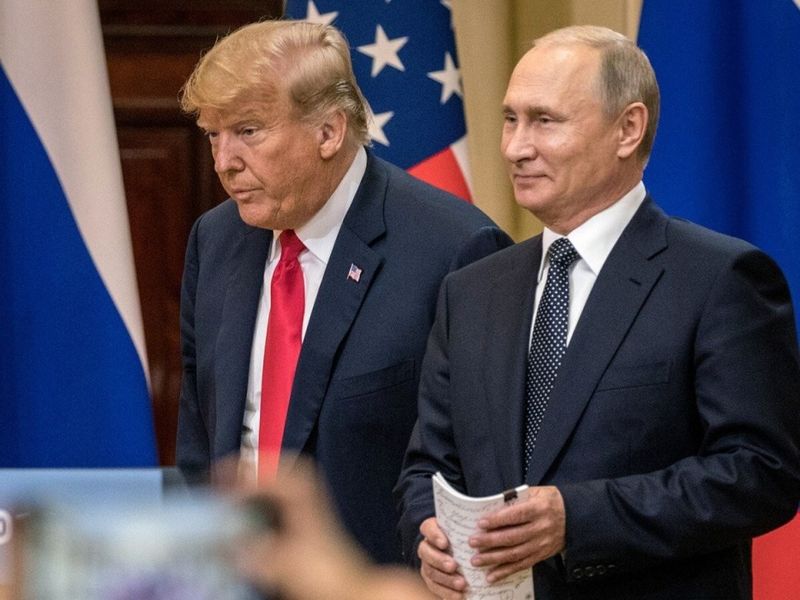
Ceasefire Negotiations Stalled, Trump Issues Ultimatum
On Tuesday, U.S. President Trump explicitly set a new ceasefire deadline for Russia, demanding an agreement with Ukraine within the next 10 days. This move, marking his first attempt to impose a specific timeline for ceasefire, also signifies the beginning of a new phase in U.S. diplomatic strategy towards Russia.
While returning to Washington, Trump told the media: "A countdown begins today for ten days. If Russia shows no willingness to ceasefire by then, the U.S. will impose economic penalties without hesitation." This statement significantly advances the original 50-day deadline set to expire in early September, highlighting Washington's impatience and anxiety over the escalating conflict.
Tariffs May Be First Wave of Retaliation, U.S. Oil Prices Surge
Trump's warning quickly impacted global energy markets. On Tuesday evening, WTI oil prices surged past the $69 per barrel mark, the largest single-day increase since the 2023 Middle East crisis, with premiums on Brent oil call options also significantly rising.
Analysts have noted Trump's repeated suggestions of imposing "100% tariffs" on Russian exports and possibly introducing a secondary sanctions mechanism to penalize third-party countries that continue energy trade with Russia. This approach could severely restrict Russia's foreign exchange revenue channels and might entangle major energy-importing nations like India and China.
Washington's Strategy Questioned, Negotiation Space Possibly Self-Diminished
Despite Trump's tough rhetoric, several diplomatic observers believe his real intention may be to force Putin back to the negotiating table. Previously, Trump has threatened sanctions on Russia multiple times but never fully executed them. An official familiar with the White House's strategy noted: "This strategy seems more like leverage than a definitive path."
However, the frequent display of a hard stance also raises doubts about the credibility of his policy, especially considering the impact of secondary sanctions on other key trade partners, challenging the effectiveness of U.S. pressure.
Moscow's Stance Firm, No Signs of Military De-escalation
The Kremlin responded by stating it "will not succumb to any external pressure" and reiterated that the goals of its special military operations will not change due to international threats. Chairman of the Russian State Duma Defense Committee, Kartapolov, stated that Trump's "ultimatum" does not carry substantial significance.
Meanwhile, over the past week, Russia has intensified missile and drone strikes on Ukrainian cities, resulting in increasing civilian casualties and clear signs of escalating warfare. This situation casts a pessimistic view on the prospect of reaching a ceasefire agreement within the next 10 days.
Diplomatic Efforts Yield Limited Progress, Increasing Pressure on Trump
Since the beginning of the year, Trump has attempted to engage with Putin at least six times to facilitate reconciliation, yet has achieved no substantial results. Although during his presidential campaign, he pledged to "swiftly end the Russia-Ukraine war," the time window to fulfill this promise is gradually narrowing.
In his speech, Trump admitted: "We have yet to receive any response, which is regrettable." This statement might also reflect his sense of powerlessness in diplomatic strategy and the increasing political pressure.

