
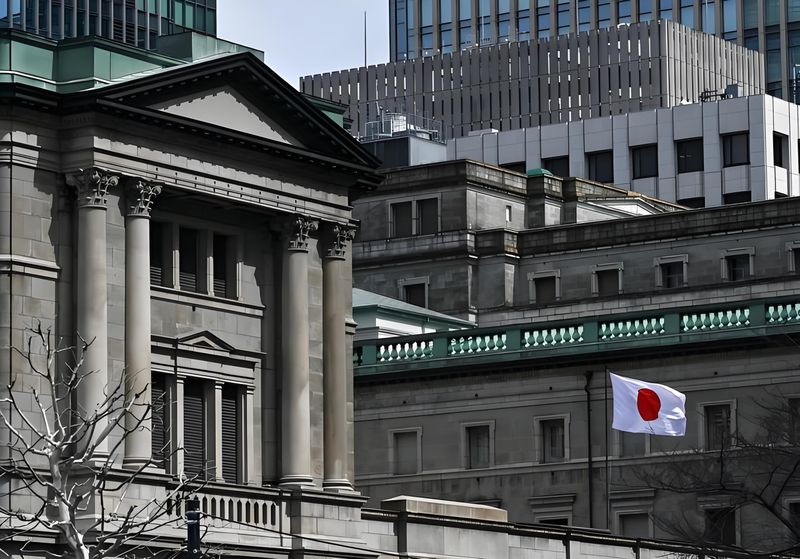
Bank of Japan Signals Hawkish Stance, Rate Hike Expectations Move Forward
Although the Bank of Japan kept its policy rate unchanged at its latest rate meeting, the minutes revealed a decidedly hawkish tone. Most members, including Governor Kazuo Ueda, expressed support for raising rates if inflation and economic growth remain strong. This stance immediately caught the market's attention, moving rate hike expectations from early next year to this October.
The key driving factor is persistently high inflation. Japan's June CPI stayed above 3% for the seventh consecutive month, far exceeding the target range previously set by the central bank. High inflation directly erodes household purchasing power, increasing societal dissatisfaction with rising living costs and placing more pressure on the Bank of Japan to respond with stronger policies.
US-Japan Trade Agreement Eases Monetary Policy Constraints
The Bank of Japan's hawkish statement is also buoyed by a new round of tariff agreements between the US and Japan. The Trump administration initially planned to raise tariffs on Japanese cars to 25% in August, but both parties reached a compromise to lower the rate to 15%. This decision is expected to ease export pressures and create space for corporate profit recovery.
The market generally believes the agreement provides a certain stabilizing effect for the Japanese economy, enabling the Bank of Japan to pursue monetary policy normalization without compromising growth prospects. Barclays Bank even stated in its latest report that "technical conditions for a rate hike in October are mostly in place."
Slow Export Growth and Declining Business Confidence Pose Challenges
Although macroeconomic data supports the logic for a rate hike, signs of internal economic weakness in Japan should not be ignored. Exports to the US have declined for three consecutive months, particularly affecting the automotive industry, which is experiencing both declining volume and prices. Several Japanese car makers have had to lower prices to maintain their US market share, offsetting the impact of tariffs. Ultimately, not only have sales decreased, but profit margins have also been further squeezed.
Moreover, government surveys show a significant drop in Japanese business confidence in the second quarter, reflecting the substantial impact high tariffs and a global economic slowdown have on export-driven economies. The business climate index has been continuously declining, with "deterioration" becoming the main theme, presenting policymakers with a more complex strategic landscape.
Yen Short-Term Rebound Hides Inflation Concerns
Stimulated by the Bank of Japan's hawkish stance and potential Federal Reserve rate cuts, the yen has significantly rebounded against the dollar recently, appreciating more than 2% within the month. This has partly alleviated the pressure of import-related inflation and attracted short-term cross-border capital inflows.
However, experts warn that if the Bank of Japan delays rate hikes or vacillates, it could weaken its policy credibility and exacerbate the wage-price spiral, pushing inflation out of the central bank's control. Should the yen weaken again in the future, Japan will face sharply rising import costs, which may increase living expenses and the corporate burden.
While the Window for a Rate Hike Opens, the Bank of Japan Must Weigh Multiple Factors
As rate hike expectations rise, the market is increasingly focused on whether the Bank of Japan is capable of executing its plans. Several analyses suggest that if economic data this fall further validates persistent inflation and the trend of export recovery, the central bank may take concrete action in October. However, if export data continues to deteriorate or if the US economy enters a rate-cutting cycle, the Bank of Japan will have to reassess its policy path.
Amid global economic turmoil and weak domestic demand, every move by the Bank of Japan is poised to have a cascading impact on global capital flows and regional exchange rate stability. Balancing inflation control with economic recovery is the greatest challenge currently facing Japan's policymakers.

