
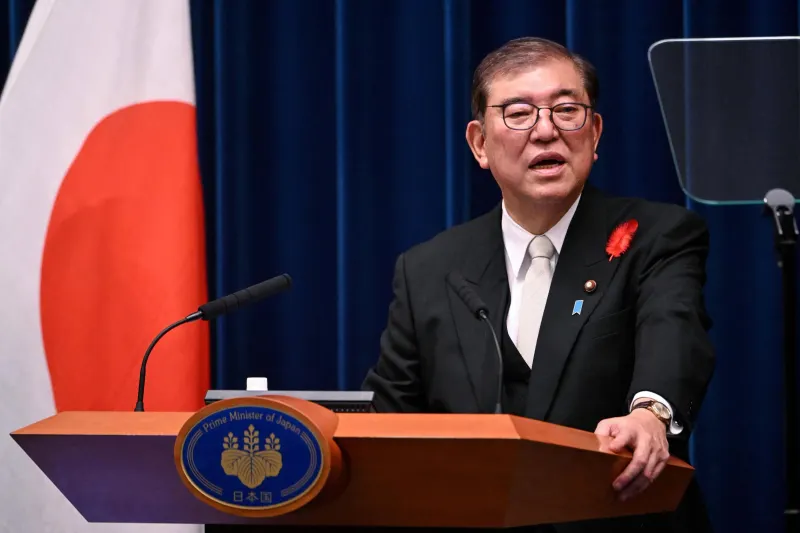
Shigeru Ishiba Faces Leadership Trust Crisis
Following a defeat in the Senate elections, Japanese Prime Minister Shigeru Ishiba is caught in an unprecedented political storm. Although he insists he will not resign easily, internal doubts about his leadership capabilities are growing. The Liberal Democratic Party's General Assembly of both Houses, set for this Friday, is widely seen as a crucial point for determining whether he can continue to lead.
While there is not yet a direct mechanism for Ishiba’s removal, dissatisfaction within the party is mounting. Several local branches have expressed disappointment in his leadership, and some members are calling for an early replacement of the party president, indicating deepening divisions within the party.
LDP Mechanisms May Serve as Ishiba's "Shield"
Despite rising dissatisfaction within the party, the LDP system provides Ishiba with some buffer. Currently, there is no existing procedure to directly remove the party president, allowing Ishiba to complete his term until September 2027 legally. However, the LDP can indirectly undermine his position by holding an early party election, which could destabilize his role as prime minister.
If more than half of the national lawmakers and local party representatives jointly sign a motion, the party could initiate a presidential election process. While this strategy may not directly end his premiership, it could deal a significant blow to his political prestige.
Divided Local Branch Opinions, Motion Yet to Gain Traction
Currently, about one-third of regional branches support the initiative to change leadership, but it's still short of pushing for an early election. Moreover, the approaching summer holidays may slow the collection of signatures, adding uncertainty to the process of party reorganization.
Notably, even if the motion gains enough support, there’s no clear consensus within the party on who would succeed Ishiba. Several potential candidates have already expressed their intention to run, suggesting a fierce contest if an election commences.
Moriyama Might "Take the Fall" to Ease Tensions?
As the LDP Secretary-General, Hiroshi Moriyama is widely viewed as the key figure who should take responsibility for the electoral defeat. If he resigns, it would be the first responsible signal from the party, potentially alleviating some of the external criticism directed at Ishiba.
However, some believe that such a sacrificial resignation may not quell the internal doubts about the prime minister's governance capability. Particularly amidst consistently low voter support and difficulties in advancing the policy agenda, replacing just one high-ranking official may not be enough to stop the damage.
Political Maneuvering Continues Under Multiple Pressures
Besides the party mechanisms and high-level personnel issues, Ishiba must also deal with the possibility of a no-confidence motion from the Parliament. Although opposition parties have yet to formally declare such a move, continued internal turmoil could increase the likelihood of cross-party cooperation.
Moreover, the upcoming report on the elections set to be released in late August will have a direct impact on Ishiba’s political future. If the report's criticism is too severe, it will undoubtedly further weaken his position.
Fate in Governance Remains Uncertain
Shigeru Ishiba is currently at a crossroads in his political career, with internal dissatisfaction, regional division, and institutional constraints intertwining to make his future uncertain. This Friday's General Assembly of both Houses will be the first test of whether he can maintain his power base, and the subsequent party investigation report and late summer political developments will collectively determine whether this prime minister can still retain his position.

