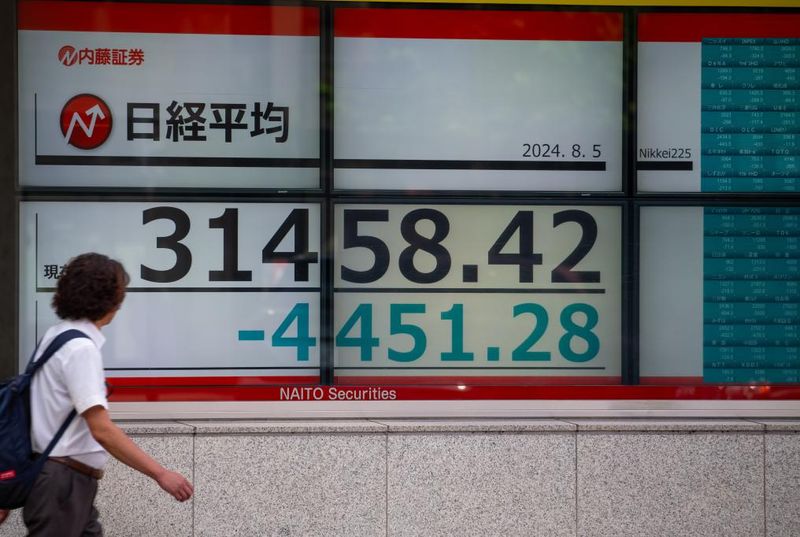
Index Decline Expands, Risk Appetite Cools
On Wednesday, the Japanese stock market came under pressure in early trading, with only limited narrowing of losses by the close. The Nikkei 225 index fell over 2% throughout the day, ending its previous high-level consolidation pattern. The market showed that growth style and high-volatility stocks were the main targets for selling pressure, with volumes larger than the previous trading day, reflecting a move to reduce risk exposure in a period dense with events.
Chips and Electronics Lead Decline, Heavyweights Cause Main "Negative Contribution"
The semiconductor supply chain was the core source dragging down the index. A weakened sentiment in the upstream equipment and storage sectors led to leading stocks gapping down at the open and continued selling pressure throughout the day. Simultaneously, electronic components and testing firms oriented towards exports generally followed suit, with a significant ripple effect from "equipment to materials" in the industry chain. Additionally, stock price volatility increased in some platform and investment companies, amplifying the negative beta at the index level.
U.S. Stock Spillover and Currency Volatility Resonance
Adjustments in the tech sector of U.S. stocks overnight clearly spilled over to Japanese stocks; meanwhile, the USD/JPY hovered near the 153 mark, with a strong exchange rate elevating the uncertainty of export enterprises' profits. Although a weak yen typically benefits export companies, during a phase where demand and valuation are being repriced, short-term stock price sensitivity to exchange rates decreases, becoming more driven by global tech sentiment and performance guidance.
Approaching Earnings Season: "Quality and Guidance" Over "Narrative"
As many leading companies are set to disclose their performance soon, the market's focus shifts from macro expectations to micro fulfillments: order visibility, capacity utilization, gross margin flexibility, and the outlook for the shipping rhythm in the second half of the fiscal year become key to pricing. If companies provide cautious but verifiable earnings paths, it may help repair current risk preferences; conversely, if guidance leans conservative and inventory adjustments exceed expectations, short-term volatility may further increase.
Policy Expectations and Structural Opportunities Coexist
Investors are also watching the details and implementation of Prime Minister Sanae Takaichi's economic measures, including the intensity and pace of manufacturing upgrades, innovation investments, and consumer support. If policies synergize in tax incentives, capital expenditure subsidies, and human resource investments, they may provide medium-term support for the tech and high-end manufacturing sectors. Meanwhile, infrastructure and energy transition related themes are expected to benefit from targeted fiscal boosts, becoming a structural safe haven in a turbulent market.
Trading Perspective: Priority on Volatility Management, Event-Driven Strategy
Amid the dual uncertainties of earnings and policies, short-term strategies are event-driven, prioritizing rhythm and position control over direction bets. Technically, the index has entered a previous high-density trading area after retracing from a high, with both selling pressure above and support below coexisting, increasing the probability of range-bound fluctuations. The implied volatility in options has risen, indicating a heightened demand for defensive hedges. Investors may focus on assets with high dividends, steady cash flow, and minimal currency interference to diversify exposure risk to single style reversals.
From "Valuation Premium" to "Earnings Proof"
The rapid short-term adjustment stems from the compounding of external sentiment and internal performance uncertainties, constituting a phase of high-risk release. In the medium term, if global end-demand steadily recovers, corporate capital spending increases, and policy support advances in coordination, technology and advanced manufacturing may regain relative strength. However, until the evidence chain clarifies, the market will emphasize a "profit quality priority" pricing framework. In the coming weeks, corporate earnings reports and management guidance will be crucial for rebuilding confidence.