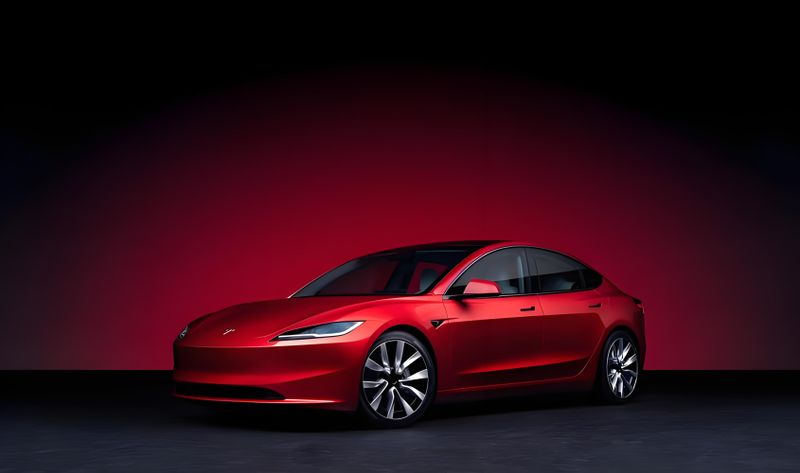
Tesla Model 3 Door Unlock Device Under Investigation by U.S. Regulators Over Alleged Defect
On December 23, 2024, Tesla's stock saw a slight drop of 0.03%, with trading volumes reaching several hundred million dollars. Meanwhile, according to a disclosure from the National Highway Traffic Safety Administration (NHTSA), the Office of Defects Investigation (ODI) received a petition from a consumer on November 24, 2025, requesting an investigation into an alleged defect with the mechanical door unlocking device of the 2022 Tesla Model 3.
The petition claims that the mechanical door unlocking device of the Tesla Model 3 has a design flaw. Complaints mention that the device is difficult to locate intuitively in emergencies and lacks clear labels or indicators. Consumers are concerned that the unlocking device might not be operable in emergencies, posing safety risks.
Currently, the NHTSA has initiated the defect petition process to further evaluate the issue. The aim of this process is to investigate the existence of a design defect and to decide whether to approve or deny the consumer's petition. If the investigation confirms a defect, Tesla may face demands for a recall or modification of the device.
Complaint Concerns Design of Door Unlocking Device
According to the petition, the Tesla Model 3's mechanical door unlocking device is designed to be hidden and lacks sufficiently clear labeling. During normal driving conditions, drivers and passengers might not easily find or operate the device, especially in emergencies, resulting in potential delays in unlocking the door and threatening the safety of the car's occupants.
The complaint highlights that the device lacks intuitive labeling, making it particularly challenging for passengers, especially in distress, to quickly locate and activate it. The petition urges NHTSA to launch a formal investigation into the issue to ensure that Tesla Model 3 meets U.S. vehicle safety standards and to prevent similar problems from endangering owners and passengers' lives.
NHTSA Initiates Investigation Procedure to Assess Defect Petition Approval
The NHTSA's Office of Defects Investigation has started investigating the door unlocking device of the Tesla Model 3. NHTSA stated that it has received related complaints and will carefully assess whether the mechanical unlocking device poses a safety hazard. Once the investigation is complete, NHTSA will decide whether to approve or reject the consumer's defect investigation request. If issues are confirmed, NHTSA may require Tesla to recall the vehicles and make improvements or redesign the device.
As of now, Tesla has not publicly commented on the issue. Consumers and shareholders have expressed concern about the incident, believing that such design flaws may affect Tesla's brand reputation, particularly in terms of safety trustworthiness.
Safety Hazard Issues Facing Tesla
Since its founding, Tesla has been renowned for its innovative electric vehicles and autonomous driving technology. However, in recent years, Tesla has faced some safety-related scrutiny, particularly regarding vehicle reliability and safety. Previously, Tesla drew attention due to accidents and safety issues with its autonomous driving system, and now the complaints about the Model 3's door unlocking device are again pushing Tesla into the spotlight of public opinion.
In response, analysts suggest that Tesla needs to pay more attention to the safety design of its products and promptly address consumer complaints. If the door unlocking device defect is not effectively resolved, it could impact Tesla's competitiveness in the global market and further affect consumer trust in the brand.
Tesla's Future Safety Challenges
The problem with the design defect of the Tesla Model 3's door unlocking device highlights the importance of vehicle safety in the high-tech and electric vehicle industry. As competition in the electric vehicle market intensifies, Tesla needs to continually improve product quality to ensure safety does not become a bottleneck in brand development. In the future, alongside technical innovation, Tesla should also prioritize more detailed safety designs to prevent similar issues from negatively impacting brand image and market performance.