Extension of High Tariff Agreement Between the US and Mexico; New Trade Deal Possible in Three Months
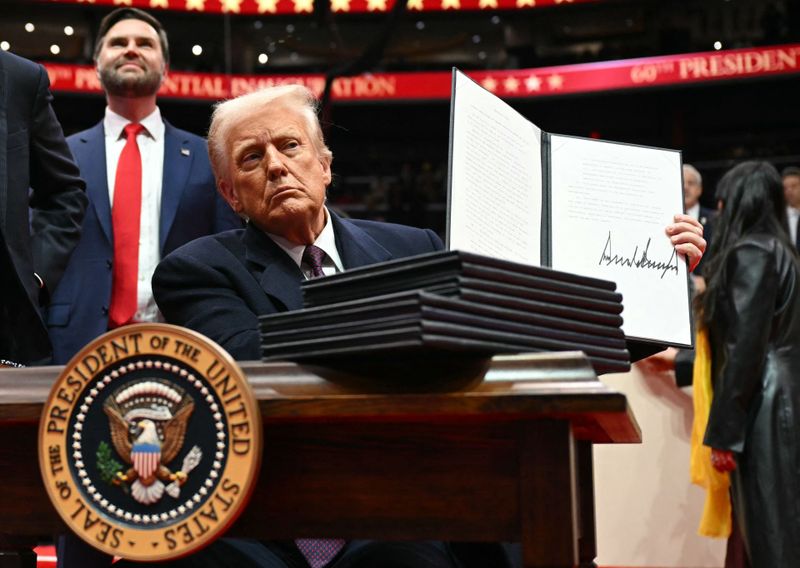
US President Trump recently announced that the US and Mexico have agreed to extend the current tariff agreement for another 90 days. This decision, against the backdrop of increasing global trade uncertainty, marks another specific move by the US to pressure its southern neighbor.
According to Trump's statements on social media, Mexico will continue to fulfill its existing tariff obligations, including maintaining high rates on critical goods such as fentanyl, automobiles, steel, aluminum, and copper. The fentanyl tariff stands at 25%, while tariffs on steel and aluminum products reach up to 50%. Additionally, Mexico has promised to remove certain non-tariff barriers, clearing the way for future trade negotiations.
Trump emphasized that the next three months will be a decisive phase. If the two sides reach an agreement in negotiations, the US may push for a new, deeper bilateral trade agreement.
Security Issues Progress Simultaneously; US-Mexico Border Cooperation Upgraded
Beyond economic issues, Trump also mentioned ongoing US-Mexico cooperation on border security, including efforts to halt drug trafficking, control illegal immigration routes, and rectify distribution chains. According to White House sources, the next three months will focus on assessing Mexico's efforts to curb drug and illegal immigration inflows.
In this context, US-Mexico trade negotiations are not just about tariffs; they also reflect an upgrade of interconnected security and political dynamics. Trump positively noted the Mexican government's cooperative attitude but hinted that increased tariff sanctions could be considered if implementation is unsatisfactory.
Trump Criticizes Powell as a "Complete Failure"; High Inflation Data Fuels Policy Disputes
On the same day, Trump vehemently criticized Federal Reserve Chairman Powell in another post, labeling his recent policies as another mistake and deeming him unfit to lead the Fed. He further accused Powell-led Fed policies of costing the nation "trillions of dollars" and slammed the Fed headquarters renovation project as a "symbol of corruption and inefficiency."
These criticisms are not new. Recently, Trump has repeatedly called for the Fed to cut interest rates, arguing that the current 4.25%-4.5% rates are harming the survival of the middle class and small businesses. He claims that if the Fed does not adjust its rate path, it will cause structural harm to the US economy.
Inflation Data Rebound Tightens Market Nerves; Rate Cuts Possibly Delayed
Meanwhile, the US Department of Commerce's June PCE data indicates rising inflationary pressures. The core PCE rose 2.8% year-on-year in June, a new high for the year, showing persistent consumer-level price momentum. Monthly growth remained steady at 0.3%, but it did not meet market expectations for a decline.
Following this data release, market expectations for Fed rate cuts in September and before year's end have been adjusted. Analysts believe that with Powell's cautious stance and inflation not clearly decreasing, the Fed will maintain its tight position and keep rates high at least until the end of the year.
Political Conflicts in Washington Intensify; Fed's Independence Challenged Again
Trump's remarks about Powell have reignited discussions about the Fed's independence. Although the Fed is an independent institution generally unaffected by direct presidential command, every president has exerted pressure on its policies. With elections approaching and pressures from US-Mexico trade and domestic economic issues mounting, monetary policy may face stronger political interference.
Wall Street observers note that if Trump is re-elected, the Fed's decision-making structure could face major reshaping, as his hostility towards high interest rates and a strong dollar has become an open stance.
US-Mexico Relations and Monetary Policy Interaction May Affect Global Market
Currently, the continuation of the US-Mexico tariff agreement certainly helps stabilize bilateral trade relations in the short term, but whether a new agreement can truly be reached remains uncertain. Meanwhile, domestic policy uncertainties in the US, especially regarding interest rates and central bank independence, are likely to remain focal points of global market attention in the coming months.