
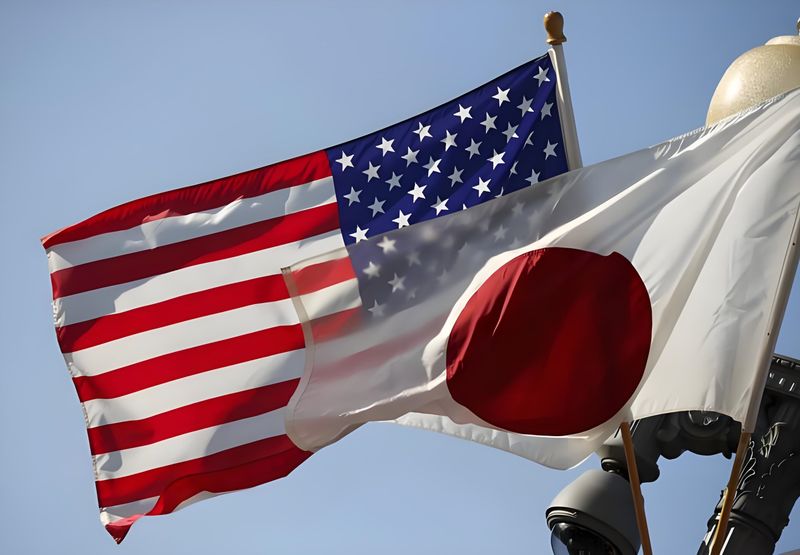
During the G7 summit held in Alberta, Canada, Japanese Prime Minister Shigeru Ishiba engaged in face-to-face discussions with U.S. President Trump regarding tariff policies. Ishiba later told the media in Calgary, Alberta, that they had a "frank" communication but acknowledged a "gap in understanding."
The one-on-one dialogue on tariffs between Japanese and American leaders during the summit highlights the fundamental differences among major global economies on protectionism and free trade. Although the rhetoric was restrained, the disagreements were evident.
Ishiba: Japan Upholds Multilateral Trade Rules, Opposes Unilateral Tariff Pressure
During a press conference, Ishiba emphasized that Japan wishes to maintain good economic and trade relations with the U.S., but remains concerned about Washington's recent trend of "unilateralism" in trade policy. He stated, "Japan values WTO rules and believes trade disputes should be resolved within a multilateral framework."
He acknowledged that while the U.S. has its logic in pushing for manufacturing return and protecting domestic industries, Japan prefers to address conflicts through negotiated agreements rather than imposing high tariffs.
Trump's Tough Stance: U.S. Pushes for "Reciprocal Trade"
Sources revealed that Trump reiterated his "America First" trade strategy during the talks, stressing that the current U.S. trade deficit with Japan is too large and questioning Japan's market access restrictions on American agricultural and industrial products. Trump aims to force Japan to loosen these barriers through a tougher negotiating stance.
While the White House has yet to formally respond to the details of the talks, it is clear that the Trump administration does not plan to make significant concessions on tariff issues. The "frank exchange" between the two sides is more of a reaffirmation of their respective positions rather than a substantive breakthrough.
Market Reactions Mild; Investors Await Further Developments
Despite the slow progress in U.S.-Japan trade talks, market reactions have been relatively calm. The yen-to-dollar exchange rate remains around 157, indicating that investors have not yet interpreted the talks' outcome pessimistically.
Japan's Nikkei index saw a slight increase of 0.3%, mainly supported by the energy and export sectors. Analysts note that the market is more focused on whether Trump and Ishiba can establish a stable negotiating mechanism in the future rather than resolving all issues at once.
Political and Strategic Considerations Behind Economic Disagreements
The differences on tariffs between Japan and the U.S. actually reflect the two countries' different strategic demands. The Trump administration seeks to use tariffs to restructure global supply chains and encourage manufacturing to return to the U.S.; meanwhile, Japan aims to maintain the economic integration process of the Asia-Pacific region to avoid escalating geopolitical risks.
It's noteworthy that Japan is strengthening economic cooperation with Europe and Southeast Asian countries to mitigate risks while facing U.S. pressure. Previously, Ishiba also emphasized improving coordination with partner countries within frameworks like RCEP and CPTPP, seeking a broader economic and trade strategy.
U.S.-Japan Trade Talks May Enter a Stage of Prolonged Bargaining
Although the meeting between Ishiba and Trump expressed a willingness to dialogue, it also clearly showed the fundamental differences between the two countries on tariffs and trade fairness. Against the backdrop of a continually evolving global economic landscape, U.S.-Japan trade negotiations are unlikely to reach a compromise in the short term. The future market will remain highly focused on whether both parties can reduce friction risk through ongoing institutionalized consultations, with more profound impacts on regional stability.

