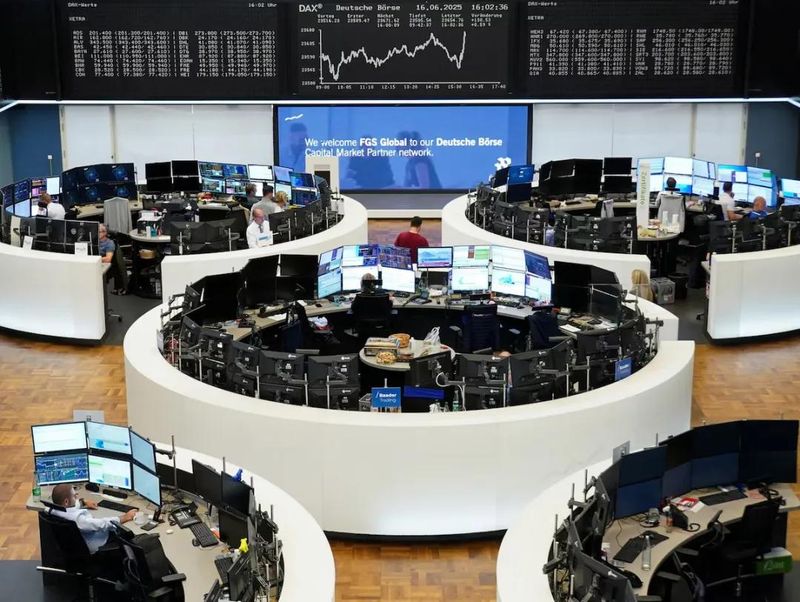
Mixed Performance of the Three Major Indexes
In the early hours of September 11, U.S. stocks showed mixed results. The Dow Jones fell over 200 points, reflecting pressure on traditional industries. Meanwhile, the Nasdaq and S&P 500 reached new record highs during the session, driven by a strong performance from tech stocks. There is a noticeable split in market sentiment between growth and traditional sectors.
Tech Giants Shine
Oracle's stock price soared significantly despite earnings not fully meeting expectations. The promising outlook for its cloud business boosted investor confidence. The CEO highlighted substantial contract amounts with major clients, leading to fast growth in AI-related services revenue. At the same time, Nvidia and AMD continued their strong performance, with AI themes remaining a core focus of investment. The overall strength of tech stocks offset some weakness in blue chips.
Unexpected Drop in Inflation Data
The U.S. Bureau of Labor Statistics reported that the August Producer Price Index (PPI) unexpectedly recorded a negative value, the first drop in four months. Both overall and core data were below market expectations, indicating eased price pressures at the wholesale level. This result alleviated market concerns about inflation rebounding, leading investors to believe the Federal Reserve might initiate rate cuts soon.
Market Pricing in Rate Cut Path
After the PPI release, traders increased their bets on rate cuts. Futures market pricing suggests that a 25 basis points rate cut at next week's Federal Reserve meeting is almost a consensus, with expectations for continuous rate cuts by the end of the year rising rapidly. Analysts point out that while cooling inflation creates conditions for easing, a weak job market is the fundamental driver for the Fed's shift.
Cook Case Draws Attention
Investors are also digesting a significant legal ruling: a court temporarily blocked Trump's dismissal of Federal Reserve Board member Cook. This event highlights the conflict between politics and the independence of monetary policy. There are broad market concerns that if the final ruling weakens Fed independence, future policy stability could be challenged. This uncertainty poses a hidden risk to long-term market expectations.
Signals from Inventory and Sales Data
Recent data show that U.S. wholesale inventories and sales both grew in July, with the inventory-to-sales ratio remaining low. This suggests that companies remain cautious during the restocking cycle. Inventory growth was limited, but sustained sales improvement indicates resilient domestic demand. Considering the performance of inflation and employment, the economy presents complex signals, prompting investors to maintain cautiously optimistic views on future growth paths.
Outlook and Market Direction
With weakening inflation data and rising expectations for Fed rate cuts, the tech sector may continue to support market performance. However, political uncertainties and signs of economic recovery divergence may still introduce volatility. In the short term, investors will focus on the upcoming CPI data and the Federal Reserve meeting outcome, which will determine whether U.S. stocks can continue their record-setting run.