
Unified Concerns Voiced by Executives
Recently, several senior executives from major U.S. banks have spoken out, emphasizing that the U.S. economy has entered a slowdown phase. Goldman Sachs CEO David Solomon and JPMorgan Chase CEO Jamie Dimon have pointed out on different occasions that weak employment data, inflation, and policy uncertainties are eroding market confidence. This consensus from the core of Wall Street has further fueled doubts about the resilience of the U.S. economy.
Employment Revision Shakes Market Confidence
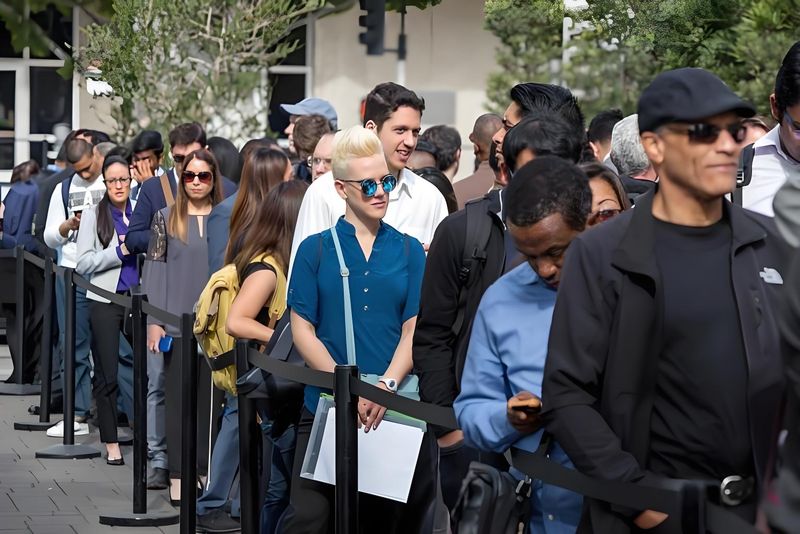
The latest revised data released by the U.S. government shows a record drop in non-farm employment figures, indicating that the previous strength of the economy was somewhat exaggerated. The revision has made investors and businesses cautious about future employment needs, and the true health of the labor market has become a focal point of debate. For a government relying on employment stability as a policy support, this change is undoubtedly a blow.
Tariff Policies as a Dragging Factor
Aside from the employment revision, trade policy remains a potential constraint on economic growth. Tariff measures implemented by the Trump administration have increased costs for businesses, not only driving up production expenses in some sectors but also causing delays in investment plans. Senior bank executives believe that if trade negotiations remain deadlocked for a long time, both business expansion and consumer willingness could be restricted, further slowing the pace of economic recovery.
The Fed in a Dilemma
Faced with an economic slowdown and policy pressure, the Federal Reserve is in the spotlight. President Trump has again pressured the central bank to cut interest rates quickly to ease downward economic pressures. However, Solomon and others emphasize that the independence of the central bank must be respected, as excessive intervention could weaken market confidence. The Federal Reserve needs to find a more cautious balance between maintaining price stability and supporting growth.
Divergence in Investor Sentiment
Despite signs of weakness in macroeconomic indicators, risk appetite in financial markets remains high. Some institutions believe that investors' optimism may be concealing underlying risks, and if the economic outlook further deteriorates, market volatility will increase. This disconnect between sentiment and reality raises the likelihood of significant adjustments in financial markets in the future.
Outlook and Uncertainty
With multiple risks intertwining in the U.S. economy, the future trajectory remains unpredictable. Warnings from bank executives highlight concerns over the policy environment and data revisions, and issues with tariffs and employment are unlikely to be resolved in the short term. It is widely believed that the Federal Reserve’s decisions in the coming months will be the most important point of observation for the market, and the interaction between policy and market responses will determine whether the economy can avoid a more significant downturn.

