

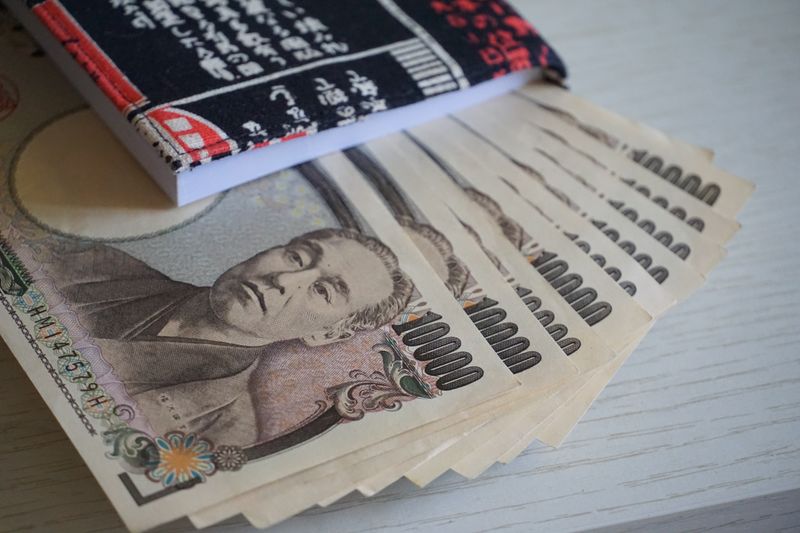
Manufacturing and Prices Under Dual Pressure, Weighing Heavily on Yen Fundamentals
In October, Japan's manufacturing sentiment further declined, reflecting weakening demand in key chains such as automotive and semiconductors. Companies responded to insufficient orders by reducing output, and although the decline in production narrowed, it remained negative. Meanwhile, input costs rose again due to increasing labor, raw material, and logistics prices. Companies slightly increased factory prices to maintain profit margins, leading to a concurrent rise in output price inflation. This correlates with the continuous strong prices in Tokyo, with the Bank of Japan facing dual constraints of "growth slowdown and inflation persistence" under an unchanged policy rate framework. This combination deepened the foreign exchange market's expectation that the policy cannot be rapidly tightened, undermining support for the yen.
Frequent Verbal Interventions Meet with Tepid Market Response
As the USD/JPY once again approached high levels, the Ministry of Finance and Cabinet members continued to issue signals of "high attention and readiness to act," with stronger rhetoric than before. However, similar to past experiences, mere verbal statements are unlikely to reverse trending pressures without accompanying disorderly fluctuations and extreme positioning. Current price levels are more interpreted as a manifestation of the "strong dollar-weak yen" interest rate spread structure rather than an unusually based deviation driven by a singular event. This also explains the market's pricing of the "diminishing marginal efficacy" of verbal interventions.
USDJPY Technical Outlook: Upward Attack Slows, High-Level Tug of War Becomes Main Theme
From a trading structure perspective, the momentum for USD/JPY weakened after multiple attempts at previous highs, with intraday volatility expanding but directional strength declining; option-implied volatility moderately increased, with risk reversals mildly tilted toward a bullish dollar. This indicates hedging demand still exists but not at an extreme level. If there is no subsequent "rapid price surge and volatility spike" combination, the threshold for official substantive intervention remains high. The tug of war and false breakout risks within the high-level range need to be considered.
Policy Dilemma: The Battle to Safeguard Growth and the Pull of Monetary Normalization
Amid weak manufacturing and inflation not yet receding to comfortable levels, the Bank of Japan is more inclined to "proceed sequentially rather than rush ahead" in the short term. This means that the suppressive force of policy interest rate differentials on the exchange rate still persists. If the fiscal side continues to focus on investment expansion and job stability, the rebalance of nominal growth and government bond supply will also affect term spreads and foreign investment appetite in bonds. For the foreign exchange market, unless there is a clear rate hike timetable or further adjustment to the yield curve control framework, improvements in "slow variables" are difficult to quickly transform into a trend reversal for the yen.
External Pull: Strong Dollar Cycle and Global Demand Pulsation
Recently, the dollar has been supported by "cooling rate cut expectations and strong US treasury yields," coupled with fluctuating global risk appetite, which has increased the tilt of funds between dollar assets and non-dollar currencies. For Japanese exports, overseas terminal demand is still in the process of recovery, and marginal improvements in new orders require longer validation. During this period, the pace of USD/JPY is more likely to be dominated by US inflation, employment, and yield curve changes, rather than unilateral Japanese factors.
Observation Points and Scenario Analysis
Firstly, volatility threshold. If exchange rates surge rapidly accompanied by a noticeable increase in volatility, the probability of intervention significantly rises; if there is only a gradual rise with controlled volatility, verbal warnings may still prevail.
Secondly, price and policy communication. If Tokyo prices and wage negotiation results indicate easing inflation persistence, the Bank of Japan’s communication space will expand, helping to alleviate interest rate spread pressures.
Thirdly, external data. If US inflation and employment weaken significantly and rate cut expectations warm, dollar momentum might downshift, causing USD/JPY to potentially retreat temporarily.
Verbal Interventions Unlikely to Alter Trend, High-Level Range May Become the Norm
In the phase where interest rate spread structures resonate with fundamentals, verbal interventions more serve the role of "slowing pace and curbing disorder." Unless a triple threshold of price, volatility, and position is triggered, the necessity and urgency for substantive measures remain insufficient. For traders, the better strategy is to respect the characteristics of high-level range and false breakouts, managing the pace anchored by events and data rather than betting on single-point reversals.

