
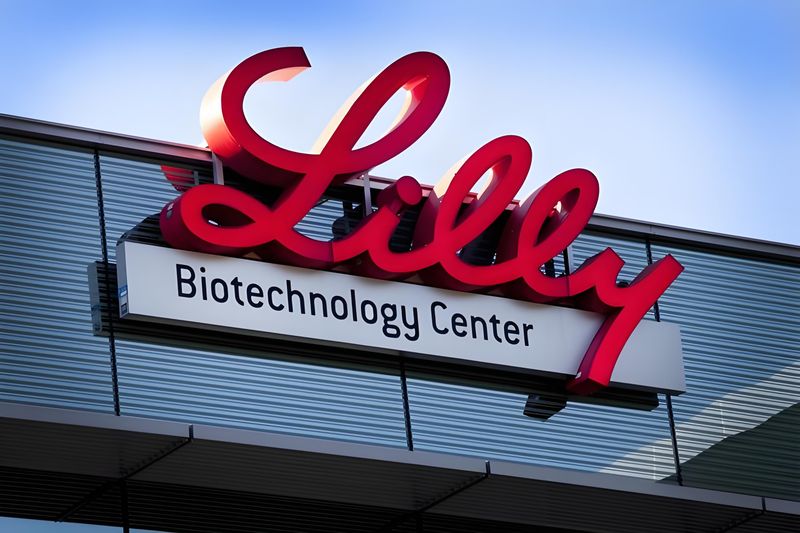
Price Increase Decision Draws Attention
The American pharmaceutical giant Eli Lilly announced a significant price hike for its weight loss and diabetes drug Mounjaro in the UK's private market starting in September. The monthly supply cost for the highest dose will increase by as much as 170%. Although Eli Lilly emphasized that the supply price for the UK's National Health Service (NHS) will remain unchanged, the decision has sparked widespread reactions in the UK's medical industry and public opinion.
Industry experts point out that this price increase is not just an adjustment of the company's pricing strategy but also a direct reflection of the international pharmaceutical market responding to political pressures. Former U.S. President Trump had repeatedly criticized the lower drug prices abroad compared to the U.S.; Eli Lilly's move is widely interpreted as a response to this political climate.
Political Factors Deeply Involved in Drug Price Battles
Eli Lilly's price adjustment is closely related to the potential impact of the U.S. "Most Favored Nation" drug pricing proposal. This proposal aims to link U.S. drug prices to overseas markets to diminish international pharmaceutical companies' high-profit margins in the U.S. Trump publicly stated that certain countries rely on Americans bearing higher drug costs while their own consumers enjoy low prices, a situation he termed "unfair" that must change.
Analysts believe that by raising UK prices, Eli Lilly can reduce the price gap with the U.S. and prepare for possible future multinational drug price linkages. This strategic move might prompt other multinational pharmaceutical companies to reassess their overseas pricing models.
Dual Challenges for the UK Healthcare System
Although NHS prices remain unchanged for now, the price hike will clearly impact private healthcare and self-paying patients. The Independent Pharmacy Association and several industry representatives have voiced concerns over this "exceptionally aggressive" price increase, which they believe will limit some patients' access to medication. Especially given the significant increase in demand for weight loss drugs, high prices might lead more individuals to resort to informal channels or delay treatment.
At the same time, the uncertainty of the UK government's policy on drug expenditure has also intensified market tensions. Drug pricing negotiations with the NHS have been postponed to the last deadline, and although there is an official direction to increase budgets, the lack of specific implementation details has led pharmaceutical companies and pharmacy operators to maintain a cautious stance.
Opportunity for Global Drug Pricing System Adjustment
Eli Lilly's pricing decision is interpreted in the industry as a potential catalyst for a "domino effect." If other pharmaceutical companies follow suit, it could trigger a chain reaction in global drug pricing. Once several countries simultaneously raise prices, the international drug price gap will narrow, making it easier to implement the cross-national drug price balance policy advocated by the U.S. government.
However, price adjustments may also provoke political and public backlash, especially in times of rising economic pressure and increasing healthcare costs. The future game not only depends on the business strategies of companies but will also be influenced by the healthcare policies of various governments, international trade relations, and public opinion.
Outlook and Potential Impacts
The price hike incident by Eli Lilly in the UK highlights the complex situation faced by the global pharmaceutical industry under the intertwined political, economic, and market forces. In the short term, the UK's private market will face rising costs and demand fluctuations; in the medium to long term, this move might become a new template for international pharmaceutical companies to cope with political pressure.
As U.S.-UK healthcare and trade issues continue to ferment, and as cross-national drug pricing policies may gradually advance, the pricing logic of the international pharmaceutical market may undergo profound changes. Whether it be patients, pharmacies, governments, or pharmaceutical companies, all need to prepare for this potential structural adjustment.

