The Rising Risk of Huge Debt: America May Face a "Fiscal Vicious Cycle"
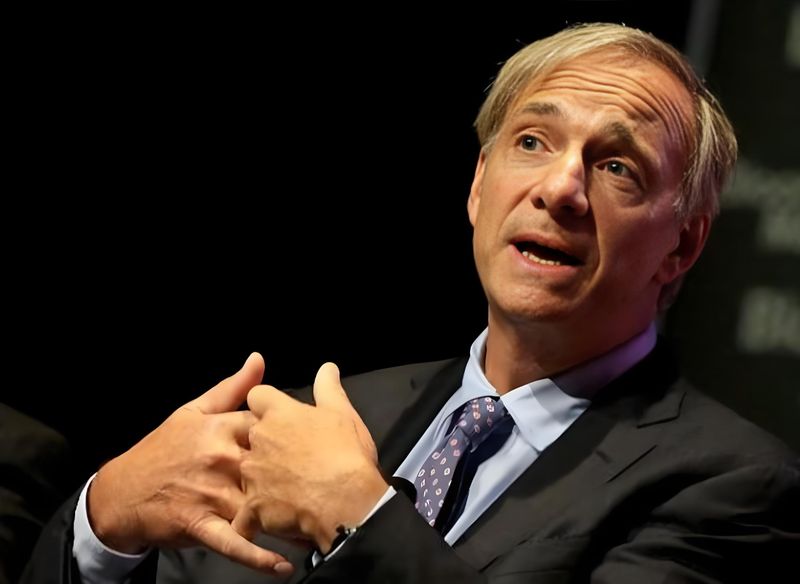
Ray Dalio, founder of the world's largest hedge fund Bridgewater Associates and billionaire investor, warns in his new book "Principles for Navigating Big Debt Crises" that the U.S. is confronting a long-hidden debt crisis nearing an irreversible "death spiral" stage.
Dalio points out that although the short-term probability of a full-blown crisis is still low, the systemic risks embedded in the U.S. debt structure are escalating over the long term, threatening not only the country's economy but also the stability of global markets.
The "Death Spiral" Mechanism Explained: Rising Interest Rates Trigger a Vicious Cycle
Dalio writes in his book that as the fiscal deficit continues to grow, the U.S. government needs to issue more bonds to finance spending and interest. However, market demand for these bonds is declining, forcing the government to pay higher interest rates to attract investors, creating a vicious cycle of "rising interest rates—credit deterioration—demand reduction," known as the "debt death spiral."
He warns that this mechanism will raise borrowing costs across society, limit national governance capabilities, and heavily impact consumers and businesses.
Policymakers Need to Shift to a Conservative Route
Dalio bluntly states that the U.S. government's lax attitude towards fiscal policy is concerning. "If fiscal conditions are unstable during difficult times, any reform and response measures will become passive." He urges U.S. policymakers to be more cautious and avoid further expanding debt amid increasing economic pressures.
He also notes that the increased debt burden caused by high interest rates could render the government unable to ensure public services, leading to social disarray.
Wall Street's Alert Level Rises, Cracks May Emerge in the Bond Market
Dalio is not the only financial magnate sounding the alarm. JPMorgan CEO Jamie Dimon stated last week that the U.S. bond market is "about to show cracks"; while Barclays analysts noted that the 10-year U.S. bond yield is nearing highs not seen since the 2008 crisis, with further upward risks existing in the future.
The market's reaction to the Trump administration’s "big and beautiful" budget plan is also cautious, with concerns that the plan might accelerate fiscal deficit expansion. Even Elon Musk, who once strongly supported Trump, called the plan "appalling," warning it could ignite budget risks.
Political Deadlock Exacerbates Governance Dilemmas
In a New York event on May 22, Dalio further warned that the U.S. fiscal deficit is already "beyond market tolerance," predicting a systemic crisis within three years.
He criticized the bipartisan political divide for failing to cooperate effectively, likening the current situation to "a ship steering towards rocks where everyone agrees to change course but no one can decide where to turn." This also casts a shadow over future crisis responses and debt restructuring.
Global Investors Need to Pay Attention to the Deterioration of U.S. Fundamentals
As the world's largest economy, the fiscal health of the U.S. has profound implications for the global financial system. Dalio emphasizes that if the U.S. debt issue spirals out of control, it could trigger a capital outflow, shake confidence in the dollar, and lead to global financial shocks. He urges global investors to increase their sensitivity to U.S. debt risks and not to hold on to the illusion of "risk-free" U.S. debt.