Stalled Negotiations Draw Intense Attention
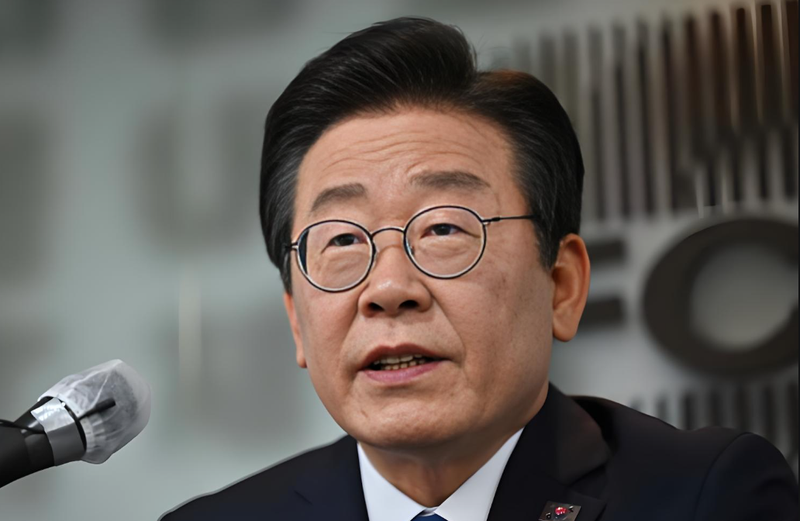
Recently, South Korean President Lee Jae-myung openly acknowledged that trade agreement negotiations between South Korea and the United States have hit an impasse over investment arrangements and tariff issues. He candidly stated that if South Korea fully accepts the U.S. investment demands without implementing protective measures, the domestic economy could face a crisis similar to the 1997 financial turmoil.
Investment Commitments as a Core Obstacle
In July, the two countries reached a verbal agreement where the U.S. promised to lower some tariffs in exchange for South Korea's substantial investment of $350 billion. However, significant disagreements arose regarding the execution of funds. South Korea seeks to mitigate the impact on its won market through a foreign exchange swap mechanism, a proposal the U.S. has yet to accept. Lee Jae-myung stated that significant investments lacking supporting mechanisms would impose heavy pressure on South Korea's financial system.
Rejection of a "Copy Japan Model"
The U.S. side requested that South Korea refer to the recent agreement between Japan and the U.S., where Japan pledged $550 billion in investment, agreed to tariffs, and opened several markets. However, Lee Jae-myung emphasized the fundamental differences in economic conditions between South Korea and Japan. Japan's foreign exchange reserves are twice that of South Korea's, and it has a currency swap agreement with the U.S., conditions South Korea cannot replicate.
Growing Concerns over Financial Risks
Analysts point out that without safeguards, injecting billions into the U.S. would inevitably tighten foreign exchange reserves and could trigger exchange rate fluctuations. Lee Jae-myung warned that such a scenario might recreate the 1997 Asian financial crisis, destabilizing domestic finances and weakening corporate willingness for overseas investments.
Labor Incident Amplifies Tensions
Recently, over 300 Korean workers were arrested in a surprise crackdown at Hyundai's battery plant in Georgia, U.S., for alleged immigration violations. This sparked a strong backlash in South Korea, with some questioning the U.S.'s rigid labor policies potentially affecting the bilateral investment climate. Lee Jae-myung noted that the U.S. has apologized for the incident and promised improvements, but added that this use could still cause Korean businesses to worry.
Bilateral Relations and Diplomatic Balance
Despite ongoing frictions, Lee Jae-myung reiterated the importance of the South Korea-U.S. alliance, stating that it would not affect the strategic cooperation between the two nations. He emphasized the government's focus on ensuring the commercial viability of the agreement, to promote investment while avoiding financial risks. Lee Jae-myung is confident that within the framework of allied relations, both parties can find a compromise through rational negotiations.
New York Visit Excludes Trade Talks
According to the presidential office, Lee Jae-myung is set to visit New York this week to attend the United Nations General Assembly and preside over a Security Council meeting, marking the first time a South Korean president will chair this meeting. While the schedule is tight, no meetings with U.S. President Trump or trade agreement talks have been planned during this visit. Lee mentioned he has established a personal relationship with Trump during their first summit in August, but formal agreements will require more time to develop.
Looking Ahead
The current deadlock highlights the structural differences in economic cooperation between South Korea and the U.S. South Korea aims to minimize external shocks through system design, while the U.S. insists on reciprocal investment conditions. Whether both sides can reach a compromise on foreign exchange arrangements and investment execution methods in the coming months will directly determine the agreement's feasibility and impact South Korea's financial stability and global corporate layout.