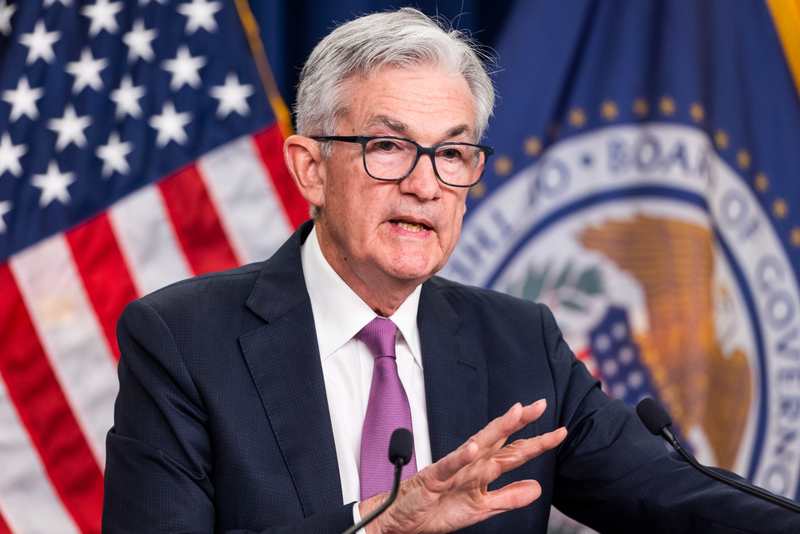
In its first meeting of 2026, the Federal Reserve opted to “wait and see.” With Powell's term gradually nearing its end, both the Fed's language and the chairman's statements conveyed a common message: even if there is room for rate cuts in the future, the pace might be slower and later than the market had previously imagined.
Meeting Decision: Rates Held Steady, Two Dissenting Votes
According to the Fed's statement released on January 28, the Federal Open Market Committee (FOMC) kept the federal funds rate target range unchanged at 3.5%-3.75%. The vote was 10 in favor and 2 against, with the dissenters advocating for a 25 basis point rate cut at this meeting.
Operationally, the Fed's implementation notes clarified that open market operations would be conducted within this target range starting January 29, maintaining the settings of related policy tools.
Statement Language: Growth “More Stable,” Inflation “Still High”
In this policy statement, the Fed described the economy as expanding at a “moderate” pace, also noting employment growth slowing and unemployment showing some signs of stability; while inflation was characterized as “still high.”
This combination suggests that while growth hasn't stalled, inflation has not decreased sufficiently “cleanly,” providing the Fed a reason to extend its waiting period—assessing data before deciding on any adjustments to the policy rate path.
Powell's Statement: Policy Near Neutral, Inflation Decline Needs Time
At the post-meeting press conference, Powell conveyed a more positive tone about the economic fundamentals: consumer spending and business investment remain resilient, productivity is improving, and some growth momentum is linked to prior AI-related investments. However, he also noted that low-income groups face more pressure, and consumer preferences are shifting towards “cheaper options.”
On inflation, Powell considers it is still around 3%, significantly above the long-term target of 2%; he mentioned the inflationary impact of tariffs on goods prices, while emphasizing that the downward trend in service inflation continues, and stated that “rate hikes” are not the base scenario.
Market and Political Variables: Successor, Rate Cut Timeline, and Independence Discussion Heat Up
With Powell's term ending this spring, the market's sensitivity to “who the next chairman will be, and whether their policy stance is hawkish or dovish” increases. According to a Reuters report, President Trump is expected to announce his nomination for the Fed Chair, and this personnel decision has heightened external focus on the Fed's independence and future policy direction.
In rate pricing, some investors are inclined to push their next rate cut bets further out: preferring the Fed to first observe rebalancing in inflation and employment before deciding whether to resume rate cuts.