Disappointment in Powell
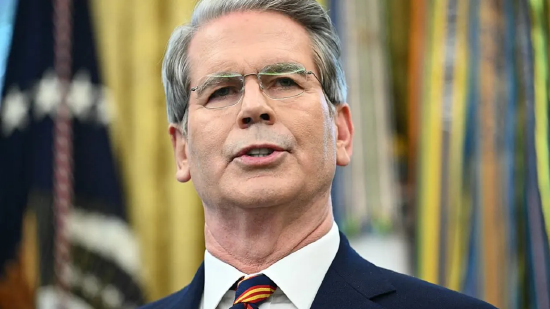
U.S. Treasury Secretary Scott Bassett openly expressed his disappointment in an interview, criticizing Federal Reserve Chair Jerome Powell for not actively pursuing more substantial interest rate cuts. He emphasized that the current interest rate levels are too high, hindering economic operations, and that the market urgently needs clearer signals of monetary easing. Bassett noted that he had expected the Federal Reserve to clearly propose a target of lowering interest rates by 100 to 150 basis points by the end of the year, but Powell's statements seemed vague and conservative.
Highlighting Disagreements on Fed Policy
In previous speeches, Powell emphasized the "dual risks" the Federal Reserve faces of weakening employment and inflation pressure, warning that no policy path is entirely risk-free. Bassett responded by saying he could not understand why Powell was "backing down" on this critical issue. This conflict highlights the Federal Reserve's internal disagreements over the extent and timing of rate cuts, drawing more attention from the public to future policy directions.
Praise for the New Board Member
Bassett also mentioned the new Federal Reserve Board member, Stephen Milne, and expressed approval of his strong support for substantial rate cuts. Milne recently voted against a 25 basis point rate cut at a policy meeting, advocating instead for a direct cut to 50 basis points. Bassett praised Milne for being "more proactive within a week than previous officials were throughout their entire tenure," and stated that the new member has brought "fresh air" to the discussions.
Interviewing Potential Successors
Bassett revealed that he is currently interviewing 11 candidates for the position of Federal Reserve Chair and plans to complete the initial selection by early October. He emphasized that the new leader must possess a broad vision, capable of looking to the future rather than relying excessively on historical data. He stated that he will ultimately present President Trump with a list of three to four top candidates for decision-making. Bassett also described the Federal Reserve's operations as sometimes being like the "United Nations," with discussions too rigid, necessitating the introduction of new ways of thinking.
Employment Data and Distribution Issues
Bassett further indicated that recent revisions to employment data reveal potential overlooked vulnerabilities within the U.S. economy. He warned that income inequality remains one of the most concerning issues, especially since low-income groups face the greatest impact during economic fluctuations. He stressed that even though the U.S. has not yet fallen into recession, the ability of socially disadvantaged groups to endure has been repeatedly tested.
Outlook and Impact
Bassett's remarks not only expose the tense relationship between the Treasury and the Federal Reserve but also spotlight the pace of rate cuts within market focus. As global economic uncertainties rise, the Federal Reserve's choices in the coming months regarding its path to rate cuts will directly affect capital flows and the dollar's trajectory. Whether or not Powell continues his tenure, the Fed's policy direction may undergo significant adjustments amidst a new round of negotiations.