Japanese Stock Market Boosted by Technology and Machinery Sectors
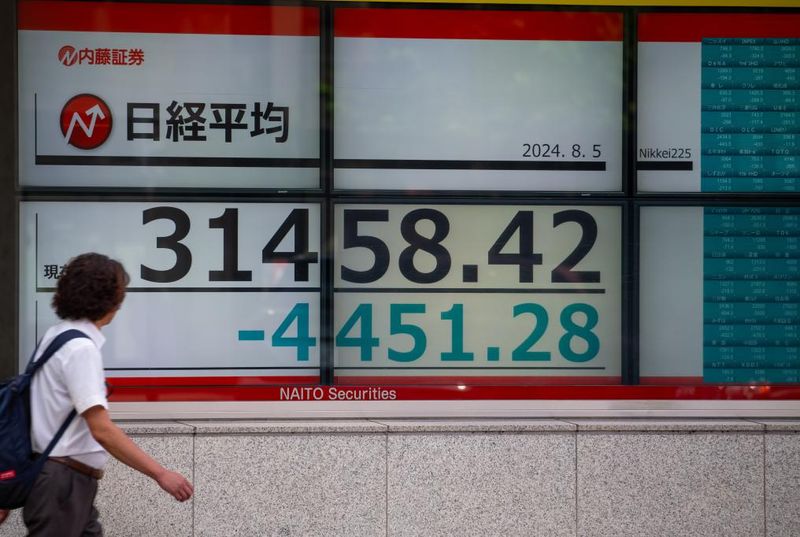
At the beginning of October, the Japanese stock market opened with a positive atmosphere, as the Nikkei 225 index rose at the start of trading. The strong performance of stocks in the machinery and electronics sectors was the primary driver of the index's increase. Market analysts noted that with the global manufacturing demand picking up, Japan's export-oriented companies are benefitting significantly, especially in areas such as semiconductor equipment, precision instruments, and automotive parts.
Investor Confidence Gradually Restores
Recently, Japanese domestic economic data has shown relative positivity, with increased signs of recovery in corporate investment and industrial output, further boosting investor confidence. Meanwhile, the yen has remained stable, easing the exchange rate pressure on export companies. Analysts believe that in the context of moderate inflation and a consumer rebound, the Japanese stock market is likely to sustain a steady performance in the fourth quarter.
Limited Impact from Overseas Market Factors
Despite ongoing uncertainties in global markets due to the Federal Reserve's policy direction and geopolitical risks, Japanese investors seem more focused on domestic industry upgrades and corporate earnings expectations. Technology stocks continue to attract capital, particularly those related to artificial intelligence and new energy. The machinery sector has strengthened due to increased orders, indicating signs of manufacturing recovery.
Korean Market Closed for Holiday
Meanwhile, the Korean financial markets are closed from October 3 to October 9 due to a week-long public holiday, temporarily halting stock and foreign exchange markets. Analysts indicate that this extended break provides a breather for the Korean market but could also result in a surge of trading activity once the holiday concludes. International interest in Korean stocks remains high, especially in the semiconductor and electric vehicle battery industries.
Investors Eye Post-Holiday Trends
With Korean markets on pause, some international funds have temporarily shifted to other Asian markets, including Japan and Taiwan. Market observers predict that post-holiday, the Korean stock market may experience significant fluctuations, particularly influenced by corporate earnings reports and external macroeconomic factors. Investors will closely watch the performance of leading companies like Samsung Electronics and LG Energy Solution to gauge overall market trends.
Outlook for Regional Markets
The performance of major Asian stock markets remains closely tied to the global macroeconomic environment. If the Federal Reserve signals more dovish policies and raw material prices stabilize, regional markets are likely to maintain relative equilibrium. The Japanese stock market, with its export advantage and supply chain upgrades, is poised to play a more significant role in investor asset allocation, while the Korean market's holiday closure builds up potential momentum for subsequent market activities.
Coexistence of Stability and Caution
Overall, the Japanese market shows resilience, driven by technology and machinery stocks, while the Korean market lacks direction due to the holiday closure. In the coming week, investor focus will be on global central bank policies, corporate earnings expectations, and the concentrated reactions of Korean stocks post-holiday. For Asian markets, short-term volatility is unavoidable, but the trend of regional economic recovery continues to support investor confidence.