Russian-Ukrainian Situation: Extended Frontline, Diplomatic and Military Developments on Separate Paths
The latest situation shows that the Russian-Ukrainian conflict is entering a stage where military escalation and diplomatic efforts are progressing concurrently. Frontline battles are becoming increasingly fierce, with both sides targeting each other's deep logistical facilities, significantly increasing the depth and complexity of the warfare.
Ukraine continues to expand its long-range strike capabilities. Ukrainian forces claim their recent actions targeted a refinery in Russia's Krasnodar region and damaged oil loading equipment at the key Black Sea export hub of Novorossiysk port. They also claim to have hit an A-60 airborne reconnaissance aircraft and a large amphibious vessel stationed at sea. Military officials said these actions aim to weaken Russian energy supplies, reconnaissance capabilities, and logistical support chains, putting greater pressure on the frontline.
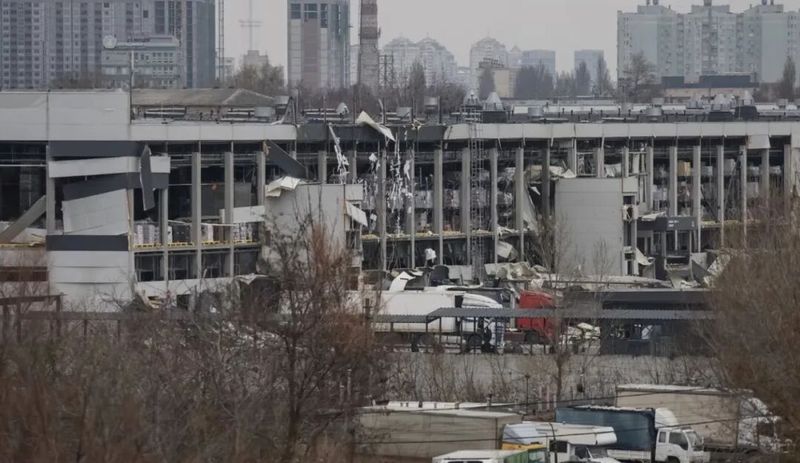
In response, Russia launched an unprecedented large-scale airstrike on Kyiv. The Ukrainian side noted that this attack used a mixed mode of drones and missiles, surpassing previous attack records in quantity. The strike resulted in several civilian casualties and severely damaged parts of the city's energy infrastructure, causing power outages and heating restrictions. Ukrainian officials described it as "systematic attacks on civilian facilities."
Notably, alongside the tightening frontline, there have been breakthroughs on the diplomatic front. Ukrainian officials confirmed that under the framework led by the United States, Kyiv has agreed to a revised peace proposal draft. President Zelensky expressed his hope for direct talks with President Trump to discuss the most challenging clauses of the agreement, including territorial sovereignty and future military deployment restrictions. The White House stated that the past week has seen the greatest progress in peace negotiations. However, any agreement involving Ukrainian concessions could become a sensitive issue for domestic public opinion.
Gaza Situation: Ceasefire Maintains Fragile Balance, Transition Arrangements Key Focus
Meanwhile, the ceasefire in the Gaza Strip enters a new phase. Humanitarian arrangements between Israel and Hamas continue to be implemented under the impetus of international mediation forces. Recently, Israel received through the Red Cross the body of an individual held captive at the outbreak of the conflict, as part of the previously reached body repatriation agreement.
The ceasefire appears stable, but tensions remain. Intelligence leaders from multiple countries met in Cairo this week, with one of the core topics being how to implement the "second phase" content of the U.S. plan, which involves establishing a transitional management framework in Gaza and deploying multinational security forces. This concept is seen as crucial for long-term stability but faces significant resistance in implementation. Israel emphasizes that any multinational force must have the authority to disarm, while Hamas insists that international forces should first protect Gaza's civilians from military actions.
Several Middle East experts point out that despite the ceasefire lasting for weeks, both sides of the conflict continue to blame each other for violating the agreement, leaving the future arrangements shrouded in uncertainty.
Peace Process Enters Critical Stage, Multiple Parties' Struggle Intensifies
Whether it's the Russian-Ukrainian conflict or the Gaza issue, the current situation is characterized by "intersecting military escalation and diplomatic breakthroughs." It is widely believed that the coming weeks will be a crucial window to assess the political will of all parties involved.
As geopolitical tensions and peace efforts accelerate simultaneously, the global situation is at a complex and pivotal turning point.