

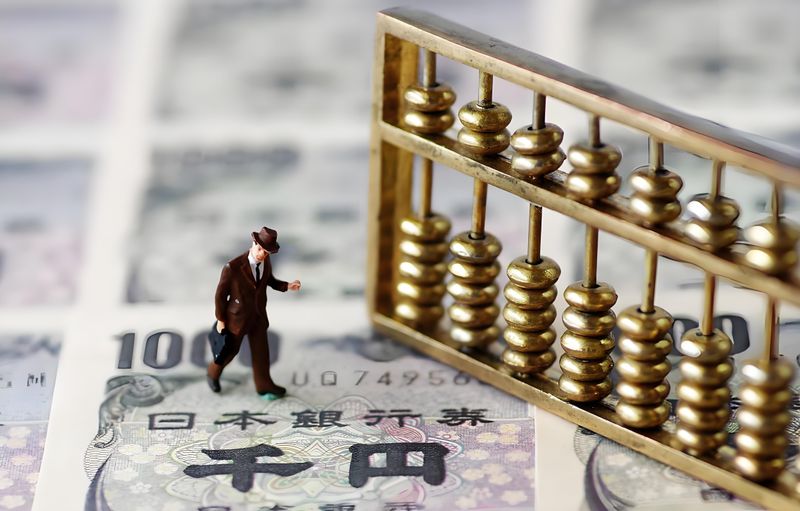
Amid intensified divergence in the monetary policies of major global central banks, the interest rate decision soon to be made by the Bank of Japan is drawing significant attention. The market widely expects that this week's policy meeting will mark a new stage in Japan's monetary policy.
Widespread Consensus on Rate Hike, Clear Signal of Policy Shift
Various indicators suggest that the Bank of Japan is likely to raise the policy rate at this meeting. If the decision materializes, the benchmark rate will rise to its highest level since the mid-1990s. This expectation has gained strong consensus in the market, and interest rate derivative pricing shows that traders have almost fully priced in the possibility of a rate hike.
Analysts point out that the change in the Bank of Japan's stance is closely related to recent economic data performance. The continuous growth in wage levels and stable inflation near the target range provide a realistic basis for the central bank to gradually exit its ultra-loose policy.
Focus Shifts from Rate Hike to Future Path
With a rate hike almost considered a foregone conclusion, investors' attention has clearly shifted. The market is more concerned with how the Bank of Japan will describe future policy direction and whether it will hint at the possibility of further tightening.
Some views suggest that even with a rate increase, the Bank of Japan internally does not yet see the current level as a "neutral state." Some officials believe that the current rates still impose limited constraints on the economy, indicating that policy adjustments may not be over yet.
Forward Guidance May Influence Yen Movements
Typically, a rate hike helps support domestic currency exchange rates. However, since the market has preemptively anticipated this action, the exchange rate reaction will depend more on the central bank’s language.
If the policy statement or governor's remarks lean towards caution, suggesting a slow pace of future rate hikes, the yen might come under pressure. Once the exchange rate nears a critical psychological threshold, financial authorities might face increased policy pressure.
Conversely, if the central bank signals a more hawkish stance, it could help stabilize the exchange rate in the short term but might also push up Japanese government bond yields, posing new challenges to fiscal policy.
Bond Yields and Fiscal Considerations Coexist
Recently, Japanese long-term government bond yields have shown a clear upward trend. Further hawkish signals could exacerbate bond market volatility, which is not an ideal scenario for the government currently planning the new fiscal year’s budget.
Analysts believe that the Bank of Japan needs to balance suppressing inflation expectations and maintaining financial stability. Tightening policy too quickly could hinder economic recovery, while being overly conservative might undermine policy credibility.
Governor Kazuo Ueda Faces Communication Test
As an academic-central-bank governor, Kazuo Ueda is known for his cautious approach. The market anticipates that he will avoid providing a clear timetable for the next rate hike at the press conference, instead emphasizing data dependency and flexible responses.
There is also interest in whether he will redefine the concept of a "neutral rate." If the central bank's assessment of this range changes, it could be interpreted as expanded future policy room, thereby affecting long-term market expectations.
Japan's Monetary Policy Enters Uncharted Territory
Should this rate hike proceed, Japanese rates will return to their highest level in nearly thirty years. However, unlike the 1990s, the structure of Japan’s economy, inflation environment, and global financial conditions have all changed profoundly.
In this context, the Bank of Japan is cautiously navigating through uncharted waters. Balancing between hawkish and dovish signals will be a core challenge for future policy communication.

