US: Peace Plan Remains a Dynamic Document, Feedback Continually Incorporated
U.S. Secretary of State Rubio stated after meeting with Ukrainian negotiators in Geneva that the peace plan proposed by the U.S. is still in a constant state of revision. He emphasized that this plan is not the final version and will continue to be adjusted based on feedback from all parties.
Rubio said: "This is a dynamic document. Every day there are new ideas and considerations, and we will incorporate each into the discussion." He also noted that the current negotiations are still in the exploratory phase, and the final text has not yet been decided.
Amid the prolonged stalemate in the Russia-Ukraine conflict and the complex regional security landscape, the peace plan involves multiple interests, especially the involvement of European countries and multinational mechanisms, so there is still significant room for adjustment.
The Role of the EU and NATO is Sensitive, the US Makes it an Independent Negotiation Topic
Rubio particularly mentioned that the U.S. has separated the parts of the plan related to the EU and NATO into independent negotiation sessions. He explained that these institutions play a key role in the European security framework, but their involvement and extent involve sensitive perspectives from multiple parties, requiring additional consultations.
He said, "The plan includes arrangements related to the EU and NATO, which we have separated because this part must be thoroughly consulted with European countries." Rubio revealed that the U.S. has met with national security advisers from several European countries, but further consensus is needed.
Analysts believe that independently discussing the roles of the EU and NATO is a pragmatic approach by the US in handling cross-regional security mechanisms, avoiding broad controversy in a comprehensive document.
European Countries Dissatisfied with Certain Clauses, Demand Further Revisions
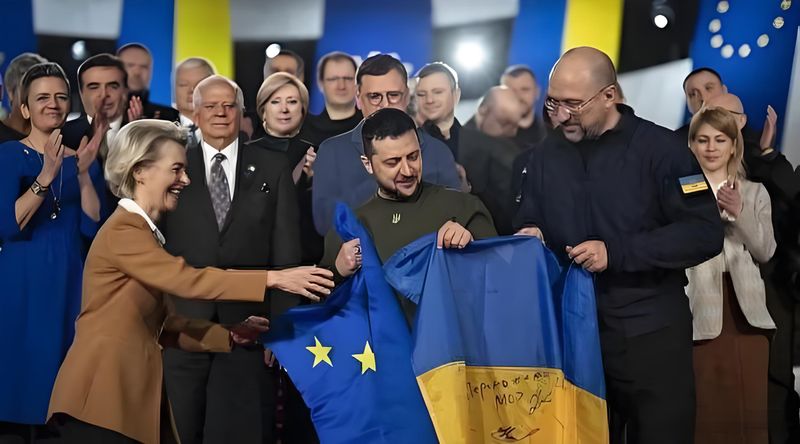
At the EU leaders' meeting last Saturday, many countries voiced objections to parts of the U.S. peace proposal. Some member states believe that the U.S. positioning of the European security architecture in the plan is too unilateral, and Europe’s strategic autonomy is not sufficiently represented.
European leaders generally believe that the EU should have a clearer say on issues involving military deployment, regional security commitments, and post-conflict reconstruction, rather than merely acting within the US framework.
This disagreement highlights the different strategic priorities of the US and EU in the Ukraine peace process: the US is focusing more on conflict de-escalation and political arrangements, while the EU is more concerned with long-term security stability and regional influence.
Ukraine Maintains a Cautious Attitude, Awaits Further Multilateral Consultations
Ukrainian negotiators did not make specific comments after the meeting, but sources familiar with the negotiations pointed out that Ukraine is currently in a "cautious observation" phase, hoping for a clear consensus among the major international stakeholders on their roles before entering substantive discussions.
Analysts believe the format of EU and NATO's participation will directly affect Ukraine's security commitments, including long-term defense support and sources for post-conflict reconstruction funding, thus making Ukraine highly sensitive to related content.
Future Process Depends on Transatlantic Consensus, Peace Path Remains Uncertain
Experts point out that the current peace talks are still at an early stage, and the lack of alignment in the roles of institutions between the US and EU is one of the crucial factors affecting the smooth progress of negotiations.
In the coming weeks, the US will continue to consult with European countries while pushing for multilateral platform participation to garner broader support. Rubio stressed that the US remains committed to promoting conflict de-escalation, but any peace plan must be based on a "mutually acceptable" foundation.
Overall, the direction of the peace plan depends on whether the US and EU can reach a clearer consensus on issues like NATO's responsibilities, the EU's involvement, and the regional security framework. Until then, the plan will remain in flux, and the negotiation process will be marked by high uncertainty.