
Korea and US Explore "Investment for Tariff" Model Again
Amid ongoing global trade tensions, South Korea and the United States are discussing an investment commitment involving billions of dollars. Multiple informed sources close to the negotiations have revealed that South Korea is considering establishing a dedicated fund to support key industries within the US in exchange for the Trump administration's reduction of tariffs on Korean products, especially automobiles.
This negotiation approach mirrors the agreement Japan previously reached with the US, where Japan set up a $550 billion investment fund in the US, resulting in a reduction of US tariff threats from 25% to 15%. Currently, South Korea hopes to follow this pathway to ensure its exports to the US are not subjected to additional tariff barriers.
Automobile Industry as Core of Negotiations
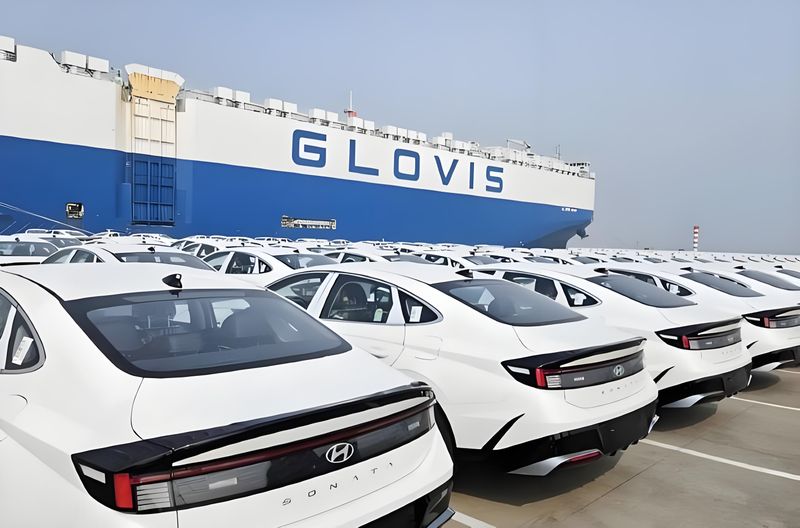
Although the specific negotiation framework has yet to be publicly disclosed, multiple sources confirm that the automobile industry is one of the core issues in the current trade talks between Korea and the US. As a vital pillar of the Korean economy, car exports have been a key source of Korea's trade surplus with the US.
The Trump administration has repeatedly expressed interest in imposing tariffs on foreign cars, claiming the move aims to protect US domestic manufacturing. Korean automobile manufacturers hold a significant share in the US market, and failing to prevent increased tariffs could lead to a dual threat of reduced profits and declining market share. Therefore, Seoul is intensifying negotiations with Washington to strive for a more stable framework regarding tariffs.
Investment Volume Might Reach Tens of Billions
Similar to Japan's agreement, Korea is considering establishing a US investment fund that could involve billions of dollars. Sources reveal that the US seeks substantial investment commitments to boost domestic industry development, particularly in high-tech, infrastructure, and energy sectors.
Though specific amounts have not been publicly disclosed yet, concerned parties state that the US has repeatedly expressed during multiple discussions its desire for Korea to "show sincerity" to achieve mutual benefits in policy. Investment areas might include semiconductor plants, electric vehicle battery manufacturing bases, chip supply chain development, and other strategic projects.
Potential Inclusion of Agricultural and Aviation Purchase Agreements
In addition to investment commitments, the Korea-US talks might also cover purchase agreements, particularly plans to buy key industrial products. It is reported that the US is pushing for Korea to expand its imports of American agricultural and industrial products as part of bilateral cooperation. Similar to the US-Japan agreement involving the purchase of Boeing aircraft and agricultural products, Korea may need to make specific arrangements on its procurement list.
This strategy not only aids in boosting US export figures but also aligns with the Trump administration's political goals of revitalizing manufacturing through "Buy American" initiatives.
Uncertainty Remains, Final Decision May Depend on Trump's Stance
Despite preliminary convergence on multiple issues between Korea and the US, many participants in the negotiations warn that substantial uncertainty remains about whether the final agreement will come to fruition. President Trump's stance will be a key factor, as he is known for his variable positions and tendency to abruptly alter decisions in similar negotiations.
Considering President Trump’s history of halting trade agreements at the last minute, the Korean government is proceeding cautiously with the negotiations and is also seeking support from Washington's decision-makers through multiple and private channels.
South Korea's Strategic Bet on Economic Cooperation with the US
If South Korea’s proposal to establish a US investment fund materializes, it will mark another Asian economy adopting the "investment for tariff" model, achieving both political and economic compromise with the Trump administration. For Korea, this is an essential strategy to alleviate external pressures on its automobile industry and maintain smooth exports to the US.
The progress in negotiations over the coming weeks will determine whether this agreement can move from a conceptual plan to a practical implementation. The Korean government is cautiously balancing economic interests with policy independence, striving to maintain its foothold in the volatile global trade landscape.

