• Home
  • Categories
  • News
  • Community
EN
EN
Home
CategoriesNewsGlossaryCommunityAbout Us
Contact Us
Social Media
Region
🌏International
Region
🌏International

Copyright © 2023-2026 Traderknows Ltd. All rights reserved.

Contact
Home
/
News
/
China cuts U.S. debt holdings as the UK becomes second-largest creditor.

China cuts U.S. debt holdings as the UK becomes second-largest creditor.

TraderKnowsTraderKnows
2025-05-19
Summary:China reduced its holdings of U.S. Treasury securities by $18.9 billion in March, dropping to the third position in the rankings.

2025.5.19 US-China

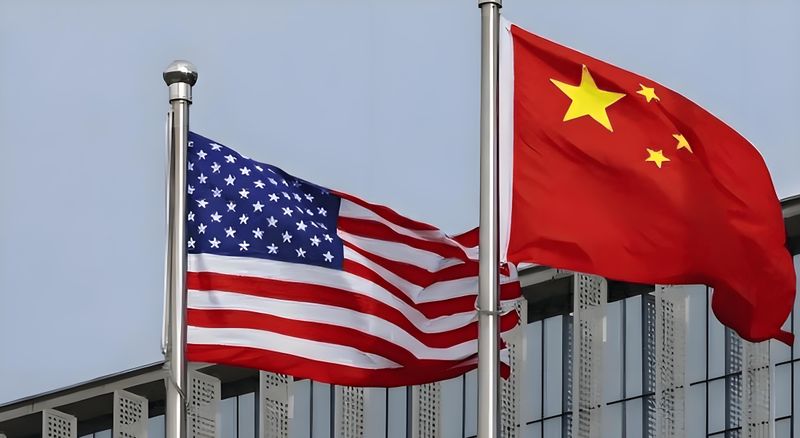
The latest data released by the US Treasury Department shows significant divergence among the major global holders of US debt on the eve of the market turmoil in March 2025: Japan and the UK increased their holdings, while China sharply reduced theirs, leading to a major shift in rankings among overseas holders of US debt.

China Reduces Holdings, Falls to Third in US Debt Holding

According to the US Treasury's International Capital Flows Report (TIC) released on May 16, China reduced its US Treasury holdings by $18.9 billion in March, bringing its total holdings down to $765.4 billion. This was China's first net reduction in US debt since 2025. This move dropped China from the second to the third largest overseas holder of US debt, overtaken by the UK.

Despite US debt remaining a crucial part of China's foreign exchange reserves, this reduction appears to be linked to concerns at the time about US fiscal policy and rating risks. Market observers generally believe that China's move may be due to a strategic reassessment of rising US Treasury yields and the volatility of dollar assets.

UK Overtakes as Second, Japan Firmly First

In stark contrast to China, the UK increased its holdings of US debt in March, surpassing China to become the second-largest overseas holder of US debt. Meanwhile, Japan maintained its position as the largest holder, increasing its holdings by $4.9 billion, with a total amount reaching $1.1308 trillion.

Japan's continued allocation to US debt is seen as an extension of its monetary policy of maintaining flexibility and seeking stable returns, while the UK's increase is interpreted by some analysts as a strategic bet on long-term US assets.

Background: Increasing Volatility in US Debt Market Amid Rating Crisis

It should be noted that March coincided with the revival of the US debt ceiling debate, renewed expectations of an interest rate hike by the Federal Reserve, and market focus on sovereign credit rating risks. Moody's formally downgraded the US sovereign rating in May, confirming the prescient response of sensitive capital in the market that month.

Numerous international institutions might have already conducted preemptive adjustments to their US debt portfolios owing to considerations about US fiscal deficits, interest rate levels, and political uncertainty.

Global Debt Landscape Quietly Changing

Although US debt continues to be regarded as one of the world's "most liquid" assets, the shifts in capital flows in March 2025 reflect a potential turning point in the landscape of the sovereign debt market. China's actions might be only the beginning; whether more countries will also follow suit in reallocating their dollar assets remains to be closely watched by the market.


Business Cooperation Skype ENG

Business Cooperation Telegram Eng

Risk Warning and Disclaimer

The market carries risks, and investment should be cautious. This article does not constitute personal investment advice and has not taken into account individual users' specific investment goals, financial situations, or needs. Users should consider whether any opinions, viewpoints, or conclusions in this article are suitable for their particular circumstances. Investing based on this is at one's own responsibility.

The End
Previous
Next
Comments
0/1000
TraderKnows
Written byTraderKnows
Created date:2025-05-19 02:43
Last Updated:2025-05-19 03:03
Independent Analysis: Manually researched and fact-checked by the TraderKnows Compliance Team, based on public regulatory records.
Wiki
Foreign Exchange Trading

Forex trading, or FX, is the global market for buying and selling currencies. Known for high liquidity and 24/5 trading, it offers profit opportunities but carries risks like market volatility and leverage.

Organization

Active

TraderKnowsTraderKnows
Recent Post

Trump Invokes Defense Production Act with 850 Million USD for Coal Power to Meet AI Demand

06-05

NY Fed Index Shows High Supply Chain Pressures as Geopolitical Conflicts Raise Global Inflation Con…

06-05

Japan's Real Wages Rise for Fourth Consecutive Month, Fueling June BOJ Rate Hike Bets

06-05

China Flexible Employment Exceeds 300 Million as Blue-Collar Wage Growth Outpaces White-Collar for…

06-05

South Korean Stocks Post Steepest Weekly Drop Since March as Tech Valuations Reset

06-05

China Commercial Paper Rates Drop in Early June Amid Rising Bank Demand

06-05

UK House Prices Unexpectedly Fall in May as Geopolitical Tensions Push Up Borrowing Costs

06-05

Massive Intervention Fails to Save Yen as Short Positions Surge Near Historic Lows

06-05

AI Momentum Pauses as Broadcom Outlook Misses High Expectations; Markets Await Payrolls

06-05

SpaceX Launches 75B USD IPO Roadshow as Access Blocked in Mainland China and Hong Kong

06-05

Global Gold ETFs See $2 Billion Outflows in May as Capital Pivots to Tech Assets

06-05

Nikkei Drops Over 1% on Tech Sector Pullback While Real Wage Growth Provides Support

06-05

South Korea Lifts Mandatory Reporting for Crypto Transfers Over 10M Won

06-05

Amundi Says Asian AI Stocks Supported by Fundamentals as Fed Path Poses Key Risk

06-05

Taiwan Stocks Close 1.33% Lower on Broadcom Drop But Hold Key Technical Support

06-05

Risk Warning

TraderKnows is a financial media platform, with information displayed coming from public networks or uploaded by users. TraderKnows does not endorse any trading platform or variety. We bear no responsibility for any trading disputes or losses arising from the use of this information. Please be aware that displayed information may be delayed, and users should independently verify it to ensure its accuracy.