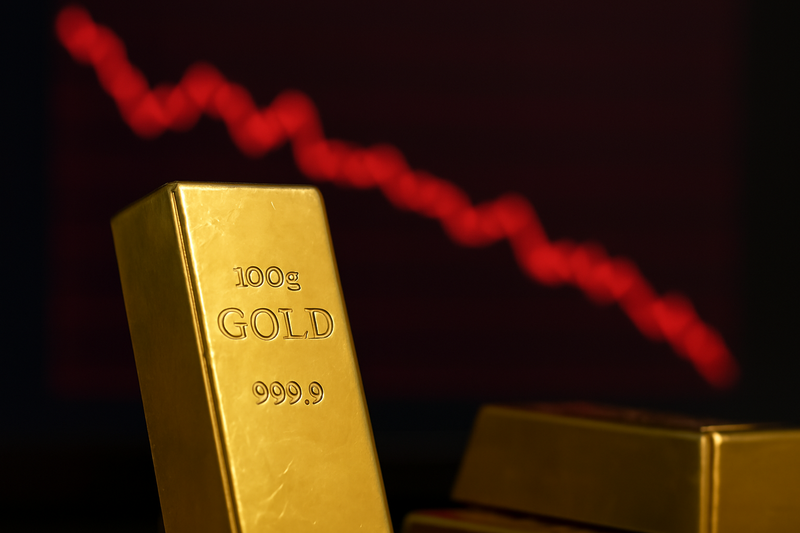
Gold Rally Continues, Market Focuses on Fed Actions
On Tuesday (September 9), gold prices continued to surge, maintaining their previous record levels. Investors are increasing their gold holdings amid widespread expectations that the Federal Reserve will initiate a rate cut at its September meeting. Meanwhile, pressure on the dollar and U.S. Treasury yields have also provided additional support for gold prices.
Rate Cut Expectations Intensify
Latest data from the Chicago Mercantile Exchange shows that the probability of the Federal Reserve cutting rates by 25 basis points has exceeded 90%. Some traders are even betting that the Fed might take a more aggressive approach with a 50 basis points rate cut. This rapid increase in expectations directly reflects investors' concerns about a slowdown in the U.S. job market and worsening economic outlook. Several investment banks have raised their expectations for the Fed's rate cuts over the next year to more than 100 basis points.
Global Factors Boost Gold's Appeal
In addition to the Fed's policy direction, geopolitical uncertainties and continued gold buying by central banks have also been key drivers behind the rising gold prices. According to the latest report from the World Gold Council, gold has risen by 26% in the first half of this year, outperforming other major assets. With tariff frictions and policy uncertainties increasing, gold is being viewed as an ideal tool to address stagflation and potential recession.
Inflation Data to Be a Short-term Key
The market widely anticipates that this week's Producer Price Index (PPI) and Consumer Price Index (CPI) will have a direct impact on gold trends. If the data falls below expectations, it will reinforce the logic for rate cuts, thereby further supporting gold prices. However, if tariff-related costs push inflation above expectations, gold may temporarily be under pressure. Analysts point out that the probability of a 50 basis points rate cut could quickly rise as inflation data weakens, and gold prices may even challenge the $3,800 range.
Institutions Are Generally Optimistic
Many institutions are optimistic about gold's long-term outlook. Morgan Research predicts that the average gold price will reach $3,675 in the fourth quarter of 2025 and surpass the $4,000 mark in 2026. Standard Chartered Bank and Sprott Asset Management believe that the ongoing gold purchases by central banks, especially demand from China and emerging markets, will be key drivers of long-term gold price increases.
Safe-haven Demand Remains Dominant
Experts generally believe that even at high levels, gold remains attractive. Sprott Asset Management's CEO stated that until there is substantial easing in tariff policies, trade frictions, and geopolitical risks, the upward trend in gold is unlikely to reverse. If the U.S. economy weakens further, gold will attract more safe-haven funds, reinforcing its position as a "non-traditional asset" to hedge risks.
Data and Policy Resonate
Overall, the gold market is currently in an upward phase influenced by multiple factors resonating together. The Fed's rate cut expectations, short-term inflation data, and global safe-haven demand are collectively shaping the strong trend in gold prices. Although future fluctuations may occur due to inflation or policy adjustments, the market generally believes that gold's long-term bull market pattern has already formed.