

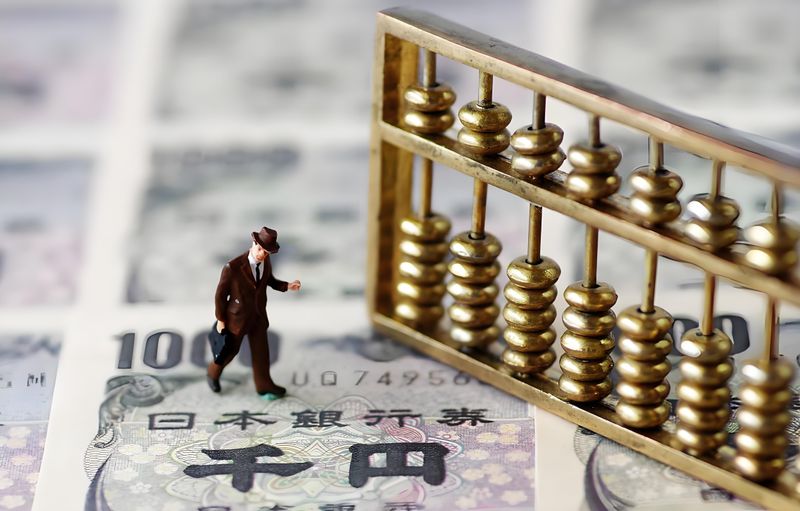
Plan Scale Reaches New High since Pandemic
The Japanese government is finalizing a new comprehensive economic stimulus package to help households cope with persistent price pressures and support economic growth. According to the latest draft, the nominal scale of this plan is 21.3 trillion yen, which, when combined with leveraged private funds, is expected to expand to 42.8 trillion yen, making it the most robust policy combination since the COVID-19 pandemic.
Compared to last year's approximately 13.9 trillion yen stimulus package, this plan significantly expands in absolute scale, demonstrating Prime Minister Sannaakusai's government’s more proactive approach to fiscal policy. The decision-makers hope that a one-off large expenditure will buy time and space for the economy, caught between rising prices and slowing growth.
Fund Composition and Borrowing Arrangements Raise Market Caution
The draft shows that out of the core plan of 21.3 trillion yen, about 17.7 trillion yen will be used for general budget spending, with an additional 2.7 trillion yen implemented in the form of tax cuts. This part of the funding will primarily rely on natural tax revenue growth and the issuance of additional government bonds, with the specific scale of new bonds still under internal coordination.
Market observers point out that despite Japan maintaining ultra-low interest rates for a long time, allowing the government to sustain large debts through cheap financing, the continued rise in new expenditures is likely to increase the pressure on bond supply. Recently, the yen has weakened, and Japanese government bond prices have come under pressure, reflecting investors' concerns that the expansionary policies of the Houmusaki government might elevate medium- and long-term debt risks.
Subsidies and Tax Cuts Directly Address Living Cost Issues
Looking at the expenditure structure, the draft allocates about 11.7 trillion yen of public funds specifically for curbing price rises and supporting consumption and livelihoods. The plan includes a one-time subsidy of 20,000 yen per household nationwide (excluding existing child allowances) and aims to alleviate the burden of daily household expenses through tax reduction measures on income and fuel like gasoline.
Analysts suggest that this design aims to immediately enhance residents' disposable income in the short term, underpinning consumer recovery with "real money." Given Japan's long-standing weak wage growth and the erosion of real purchasing power by rising food and energy prices, the government hopes to stabilize public expectations on prices and income through targeted relief and reduced tax burdens.
Investment in Security and Strategic Industries Simultaneously Strengthened
In addition to mitigating inflationary impacts, the draft reserves about 7.2 trillion yen for so-called "crisis management" and economic security-related fields. The Hauki government plans to direct some resources into sectors regarded as strategic industries, including artificial intelligence, semiconductor chips, and shipbuilding, to improve Japan’s position in the global supply chain.
This means the current stimulus is not only a traditional "emergency package" but also carries the medium- to long-term goals of promoting industrial upgrades and strengthening the technological foundation. By leveraging government-led funds to mobilize social capital, Sankeu Akuu’s cabinet hopes to attract more companies to increase investment in high-end manufacturing and frontier technology.
Tight Policy Timeline Aims for Year-End Implementation
According to information disclosed by Japanese media, the Cabinet plans to officially finalize and pass this stimulus package this Friday and approve the accompanying supplementary budget by around November 28, providing fiscal authorization for specific expenditures. The government's goal is to complete parliamentary review before the end of the year, allowing the related measures to gradually take effect early next year.
Since assuming office last month, Hana Saam has publicly stated multiple times that large-scale fiscal expenditures will be used to address the pressure of rising prices on residents' lives, while providing more clear policy signals for corporate investment. Currently, the Japanese economy stands at the intersection of rising inflation and weakening growth momentum. Whether this "largest post-pandemic stimulus package" can balance price stabilization and growth promotion without significantly raising debt risk will be the focus of joint attention from the market and voters in the coming months.

