
US-Japan Agreement Unveiled: Dual Breakthrough in Aviation and Agriculture
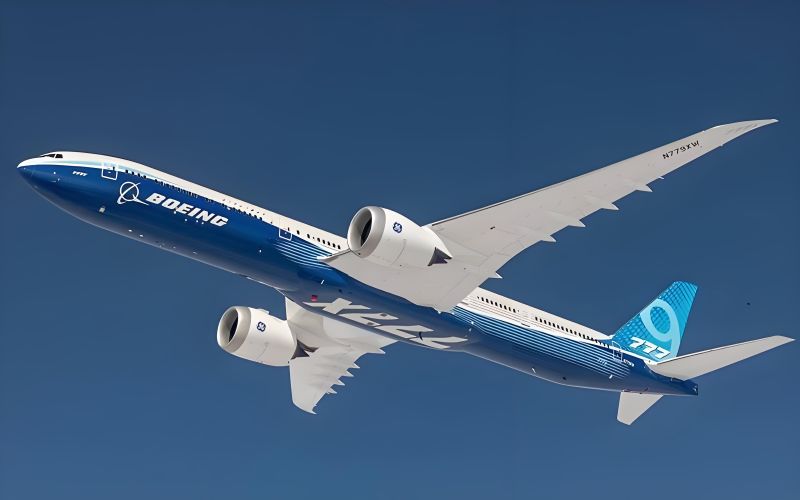
The White House officially announced on Wednesday a significant trade agreement with Japan, covering aviation manufacturing and agricultural product procurement. Under this agreement, Japan will purchase 100 Boeing aircraft and increase the import quota for U.S. rice by 75%. Analysts believe the agreement not only revitalizes economic cooperation between the two countries but also highlights Japan's strategic choices in the face of global tariff pressures.
The aviation procurement is seen as a major boost for U.S. manufacturing. Boeing, which has long faced delivery and safety challenges, is expected to gain strong momentum from Japan's order. In agriculture, Japan pledged to purchase $8 billion worth of American products, including corn, soybeans, fertilizers, and bioethanol, showcasing its commitment to a diversified food security strategy.
Unprecedented Investment Plan, U.S. Manufacturing Benefits Greatly
The most eye-catching element of the agreement is Japan's commitment to invest up to $550 billion in U.S. core industries. This funding will be allocated across strategic sectors such as energy infrastructure, the chip industry, critical mineral processing, and shipbuilding.
The White House emphasized that this pledge is "the largest foreign investment in U.S. history," projecting the creation of hundreds of thousands of high-paying jobs and reinforcing the resilience of U.S. supply chains. The Trump administration will retain 90% of the investment gains in the U.S. to drive domestic industry revival, a move that demonstrates its determination to promote the "America First" policy.
White House officials revealed that the associated funds will prioritize investment in the "Rust Belt" states, which have not fully regained their vitality, to boost regional employment and manufacturing concentration.
Upgrade in Energy Cooperation, LNG Emerges as a New Hotspot
Beyond manufacturing and agriculture, the U.S. and Japan also plan to strengthen collaboration in the energy sector. The White House noted that both parties are exploring a new Alaska liquefied natural gas procurement plan, aiming to deepen energy strategy alignment and reduce Asia's reliance on Middle Eastern oil and gas.
Moreover, the agreement will significantly increase the scale of U.S. energy exports to Japan. Analysts point out that Japan faces pressure to diversify its energy sources, and the U.S.'s abundant natural gas resources and liquefaction capabilities can serve as a reliable alternative source.
Automobile and Truck Restrictions Lifted, Tariff Dispute Cools Down
In the longstanding unresolved automobile trade dispute, Japan will abolish long-term restrictive measures on U.S. automobiles and trucks. This move addresses U.S. concerns over years regarding automobile access, opening more market channels for brands like Tesla and Ford.
Furthermore, the White House confirmed that the U.S. will impose a unified 15% tariff on Japanese products. This “reciprocal” rate, 10 percentage points lower than the previous 25% threat, is seen as a trade cooling signal, helping to ease tensions between the two parties.
Geopolitical and Economic Landscape Reshaped
Experts indicate that the implementation of the U.S.-Japan strategic trade and investment agreement not only demonstrates economic complementarity between the two but also reflects how democratic countries are reconstructing stable economic ties amid current international changes.
If implemented smoothly, U.S.-Japan economic cooperation is expected to continue expanding in high-tech, green energy, and defense industries over the next few years and may serve as a model for other economic entities.

