A Month of Government Shutdown as Crisis Reaches Core of Public Welfare
The U.S. federal government shutdown has persisted for a month, and the political deadlock remains unresolved. The escalating budget dispute between Republicans and Democrats is intensifying the "shutdown" crisis. From Washington's political maneuvering to the dining tables of ordinary citizens, the shutdown's impact is rapidly spreading nationwide. Food aid, medical assistance, and social welfare programs across states have come to a halt, forcing millions of families to cope with rising living costs and the abrupt cessation of benefits.
Food Aid Disruptions Plunge Grassroots Communities into Crisis
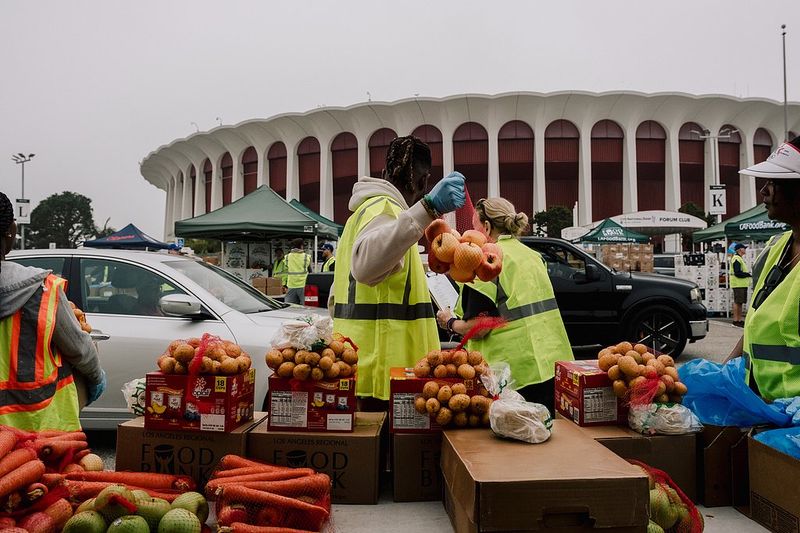
The Supplemental Nutrition Assistance Program (SNAP), a cornerstone of America's social relief system providing food subsidies to low-income individuals, is now paralyzed due to frozen funds. Food banks and charitable organizations are facing unprecedented pressure. Long lines have formed at food distribution centers in cities like New York, Chicago, and Dallas, with many volunteers stating that supplies can no longer meet the demand.
A volunteer in Michigan told local media: "We have people crying for help every day; they're not lazy, they're victims of sudden cutoffs." This social unrest, triggered by the discontinuation of federal funding, is rapidly fermenting among the lower strata of American society.
Legal Battles and Political Maneuvering Occur Simultaneously
In response to the Department of Agriculture's decision to suspend SNAP funding, more than twenty states have jointly filed a lawsuit demanding the federal government initiate emergency funding mechanisms. A federal court in Rhode Island ruled that the government is obliged to maintain minimal food aid to prevent the public crisis from worsening. However, executing this ruling still faces financial and political hurdles. Insiders from the Treasury Department revealed that if Congress fails to reach a budget agreement, emergency funds will struggle to sustain the program in the long term.
The political deadlock in Washington exacerbates the complexity of the issue. Republicans demand cuts to social spending in exchange for budget approval, while Democrats insist on maintaining welfare spending to protect vulnerable groups. Neither side is willing to compromise, pushing America's social security system to the brink of collapse.
Deepening Social Division and Trust Crisis
The government shutdown is not just a continuation of budget disputes; it also exposes structural contradictions in American society. The disruption of food aid has widened the gap between rich and poor, heightening anxiety among low-income groups. Experts warn that if the shutdown continues for more than six weeks, poor families may face systemic hunger risks, potentially triggering broader social instability.
Public distrust towards the government is also on the rise. According to the latest survey by polling agency Gallup, about 70% of respondents believe that partisan political differences are "severely harming national interests." On social media, "#GovernmentShutdownCrisis" has become a trending hashtag, with calls to restore basic public welfare echoing continuously.
Dual Challenge to Economy and Public Confidence
As the federal government shutdown enters its fifth week, signs of fatigue are emerging in the U.S. economy. Experts predict that if the deadlock persists, fourth-quarter GDP growth will significantly decline, and consumer confidence may drop to its lowest level in a decade. Analysts believe that this crisis is not just a fiscal issue but also a test of governance capabilities.