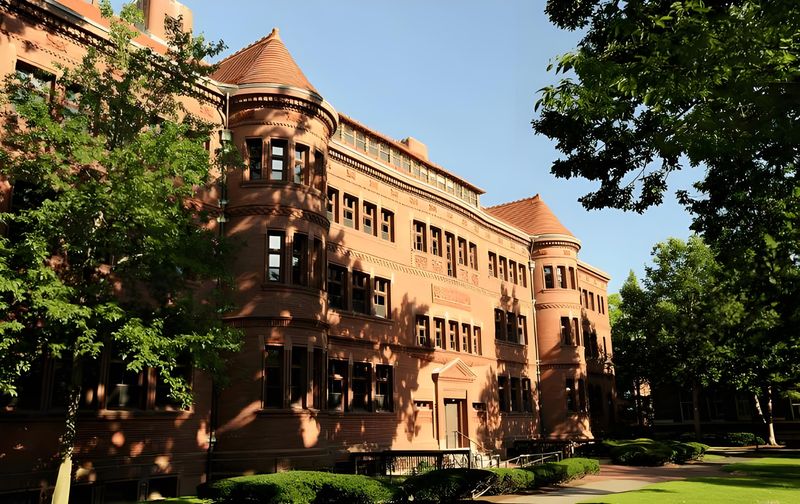
Trump Signs Travel Ban Again Affecting Citizens from 12 Countries and Harvard Foreign Students
In the context of his re-election campaign, former U.S. President Trump announced on Wednesday the reinstatement of a highly controversial travel restriction policy from his tenure, banning entry from 12 countries and suspending visa issuance for foreign students at Harvard University, drawing widespread attention.
Expanded Ban Encompasses Multiple Middle Eastern and African Nations
According to the announcement, the new travel ban applies to Afghanistan, Myanmar, Chad, the Republic of Congo, Equatorial Guinea, Eritrea, Haiti, Iran, Libya, Somalia, Sudan, and Yemen. Additionally, individuals from countries including Burundi, Cuba, Laos, Sierra Leone, Togo, Turkmenistan, and Venezuela will face partial restrictions.
This new policy follows a violent attack in Boulder, Colorado, against demonstrators supporting Israel. Trump claimed the incident reflects the "failure of the Biden administration's immigration policies" and emphasized that these measures are intended to "protect national security and limit potential terrorist entry."
Exemptions Allow Certain Groups to Enter the U.S.
The announcement specifies that this ban does not apply to those with valid visas, green card holders, or team members participating in international events like the World Cup and the Olympics. Individuals with special visas, those who assisted the U.S. in Afghanistan, and refugees fleeing persecution in Iran are also exempt.
Although the suspect in the recent attack is from Egypt, which is not on the banned list of countries, Trump still used it as a justification to restart entry restrictions, criticizing the Biden administration's failure to effectively manage illegal immigration.
Targeting Universities: Harvard as a Key Focus
Aside from the national travel ban, Trump also signed a second announcement, pausing visa issuance for foreign students planning to participate in Harvard University's exchange programs. He criticized Harvard for not adequately responding to federal investigations into campus violence and threats and accused the university of failing to disclose student disciplinary records truthfully.
Trump stated on social media that Harvard provided the government with information on only three foreign students, indicating its "lax regulation or concealment of violations." He asserted that Harvard must take responsibility for not properly managing foreign students and condemned practices that pose a "threat to campus safety."
Reigniting Controversy: Civil Rights Groups Express Concerns
This move marks Trump's renewed hardline stance in immigration policy and higher education, drawing widespread criticism from human rights organizations and academia. Critics say that this ban not only displays obvious discrimination but will also have long-term negative impacts on the internationalization of American higher education.
Previously, during his first term, Trump implemented the well-known "Muslim Ban," restricting entry from countries including Iran, Libya, Somalia, and Syria. This action is seen as a re-strategizing of his "national security" argument during his election campaign.
Analysis: Political Considerations Likely the Driving Motivation
Analysts believe this ban is heavily politically motivated, with Trump aiming to reinforce his image of "strong governance" and resonate with conservative voters. Although its legality and enforcement are still subject to judicial review, the policy has already had a direct impact on international students, immigrant families, and academic institutions.
With the election approaching, it remains to be seen whether Trump will take further action in the fields of immigration and education.