
Rate Cut Expectations Enter Accelerated Phase
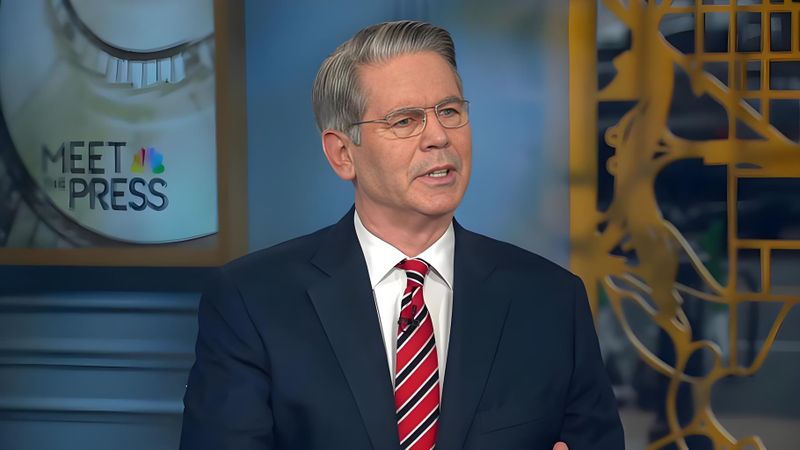
After modest July inflation data was released, the market's confidence in a Federal Reserve rate cut in September has significantly increased, with the focus gradually shifting to the extent of the rate cut. U.S. Treasury Secretary Besent's public support for a substantial rate cut has heightened the possibility of a 50 basis point cut in September. This statement not only influenced investor expectations but also brought new discussion points to the Fed's internal decision-making.
Milan's Appointment and Changes in the Decision-Making Landscape
In an interview, Besent emphasized his hope that the Senate would confirm Stephen Milan's appointment as a Fed governor before the next FOMC meeting, to fill a vacant seat. He pointed out that significant downward revision in employment data and inflation performance meeting expectations provide grounds for a larger rate cut. If Milan is approved before the meeting, it would further expand the camp favoring accommodative policy within the decision-making body, altering the current voting balance.
Rapid Reaction in the Fixed Income Market
The U.S. Treasury and interest rate derivatives markets have acted preemptively, with investors using swaps, options, and direct bond purchases to bet on the Fed lowering borrowing costs in the coming months. Following the release of July CPI data, the yield on two-year U.S. Treasuries fell to 3.73%, and futures and swap trading reflect a more than 90% probability of a September rate cut. Many traders have even established options positions to gain high returns in the event of a 50 basis point rate cut.
Divergent Expert Views and Risk Considerations
Some analysts believe that although the current inflation data shows no surprising results, the weakness in the job market might warrant more attention from policymakers. Institutions like BlackRock and Morgan Stanley assert that the rationale for the Fed to make a substantial rate cut in September is strengthening. However, there are cautionary voices pointing out that tariff measures implemented by the Trump administration this year could introduce new inflationary pressures, hindering aggressive rate cuts.
Key Timelines and Uncertainties
With over a month before the September 16-17 policy meeting, the Fed will receive another set of CPI and non-farm reports, which could reshape policy direction. Additionally, Fed Chair Powell is expected to speak at the Jackson Hole symposium, where he may provide important signals on inflation risks and policy pace, determining whether September will see a gradual or a significant one-time rate cut.

