

Iran Faces Dual Financial and Political Crisis as Exchange Rate Plummets
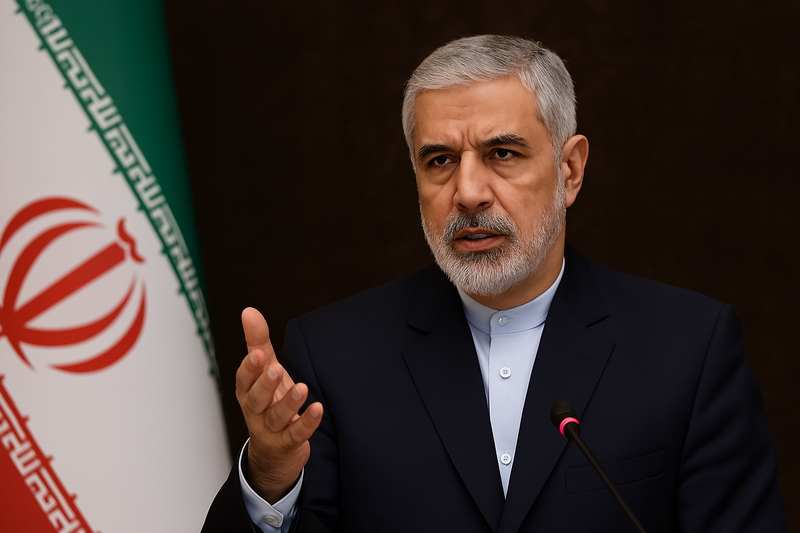
As 2025 draws to a close, Iran is confronting a severe currency crisis and social upheaval. On Monday, December 29, the official exchange rate of Iran's currency, the rial, fell to a shocking 1.42 million rials to 1 US dollar, setting a historic low. In response to this crisis, the governor of Iran's central bank, Mohammad Reza Farzin, announced his resignation. The announcement was confirmed by state television and quickly triggered a chain reaction throughout Iranian society. Since Farzin took office in 2022, the rial has depreciated by over 200% from its previous level of 430,000 per dollar, leading to a complete collapse of currency credibility. This has drastically reduced the value of public assets and plunged the government's economic reputation to rock bottom.
Nationwide Strikes: Traditional Merchants Take to the Streets
The exchange rate collapse directly ignited long-simmering anger within the business community. In Tehran's Saadi Street downtown and the Shush community near the traditional commercial hub of the Grand Bazaar, numerous merchants and shop owners spontaneously held gatherings and announced store closures. It is noteworthy that these Grand Bazaar merchants hold significant influence in Iranian political history, having played a decisive role in the 1979 Islamic Revolution. Eyewitnesses reported that while some shops continued to operate under pressure, the vast majority have ceased trading and are calling for more colleagues to join the protest. Protesters shouted anti-government slogans in the streets, demanding that the authorities be held accountable for the current economic disaster.
Wave of Protests Sweeps the Nation as Police Respond Firmly
The scale of this protest movement is considered the largest since the Amini incident in 2022. The unrest is not confined to Tehran, as the wave of demonstrations quickly spread to core cities such as Isfahan in central Iran, Shiraz in the south, and Mashhad in the northeast. The official news agency IRNA also confirmed the widespread nature of the protests. In some areas of Tehran, the situation briefly spiraled out of control, with police deploying and firing tear gas to forcibly disperse demonstrators. Although the exchange rate rebounded slightly to around 1.38 million on Monday, this minor fluctuation failed to quell public anxiety over unaffordable living costs.
The Social Unrest Hidden Behind the Historic Devaluation
Over the past week, rumors of Farzin's resignation have already shaken market confidence. From the exchange rate benchmark in 2022 to today's figures in the millions, the purchasing power of the rial has nearly collapsed in just three years. This extreme inflation has plunged the lives of ordinary citizens into crisis. The unrest, which initially began in the mobile phone market on Sunday, escalated into a nationwide strike and protest within just 24 hours. With the leadership void at the central bank and rising public discontent, the Iranian government faces its most severe governance challenge since the Amini unrest by the end of 2025, with economic conflicts escalating into a profound political crisis.

