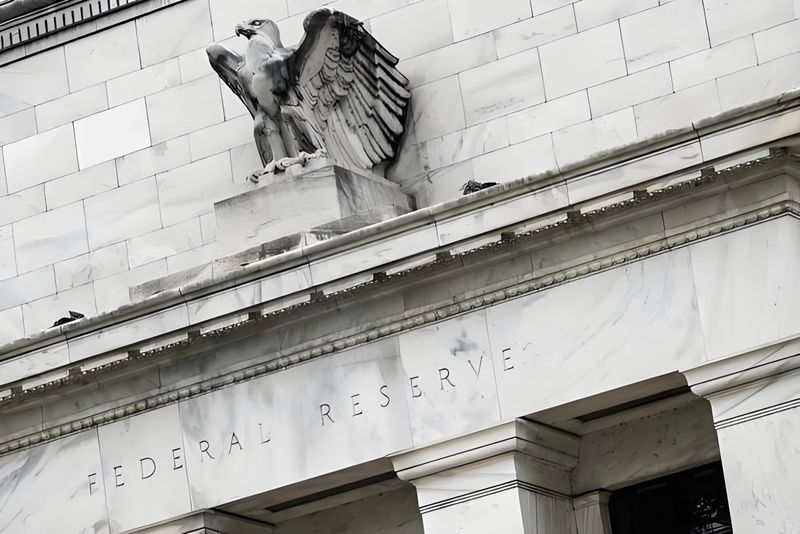
Dovish Sentiment Dominates Inside the Fed as Market Pricing Accelerates
The unexpectedly weak U.S. non-farm employment data was the final straw for market confidence. The job additions in July fell significantly below expectations, accompanied by downward revisions of the previous two months' data, prompting traders to swiftly adjust their expectations for rate cuts.
Significant changes have also been observed in the Fed's internal statements. Following two governors who explicitly supported monetary easing, another high-profile governor joined the "dovish" camp this week, reinforcing market speculation of a possible 25-basis-point cut in September, totaling a 75-basis-point reduction by the end of the year.
Several Fed officials have publicly admitted that the labor market is showing signs of weakness. The chain revisions to the non-farm report make the job outlook less optimistic. Moreover, U.S. core inflation seems not to have consistently heated up, providing more room for easing policies.
Daly and Kashkari Hint at More Than One Rate Cut
From the regional Fed side, San Francisco Fed President Daly and Minneapolis Fed President Kashkari have also shown more dovish inclinations. Both have stated that if the economic downturn continues, the Fed might not only adjust rates once in September but might need to prepare for "more substantial" easing measures.
They share a common concern: on one hand, inflation is being structurally restrained, while on the other hand, the job market is entering a "slow but genuine" cooling path. Daly even warned, "Not acting now might incur a higher cost in the future."
Such comments have led the futures market to reassess the Fed's policy path. By Wednesday evening, the probability of a rate cut in the September meeting had approached 92%, while the expectation of a total 75-basis-point cut by the end of the year was close to 50%.
Trump Accelerates Reshuffling of the Fed, Targeting Powell's Successor
Alongside monetary policy changes, the White House is also accelerating its control over the Fed. Following the clear dovish shift of governors like Bowman and Waller, linked to Trump, the White House has officially started filling the vacating board seats.
Trump revealed on Wednesday that he has tentatively narrowed down the new governor candidates to three and is preparing for final interviews with them. It is widely believed that Trump aims to set the stage for appointing the next Fed chair.
Analysts indicate that the vacancy left by Kugler's resignation could be the first step to "test the waters." However, the truly significant impact will be seen whether a "White House-friendly" person will succeed Powell as chairman after his term ends in 2026.
Market Faces Double Uncertainty of Policy and Personnel
While interest rate markets face changing policy directions, they must also contend with the "political risk premium" from the impending personnel changes at the Fed. If Trump successfully nominates new governors with distinctive stances, future FOMC meetings' rate decisions may become more divided.
Furthermore, Powell has consistently adhered to the principle of "data dependence + neutrality" in his term. If a new chair favors implementing administrative will, it may undermine market trust in the Fed's independence.
In summary, investors need to closely monitor the employment and inflation data due in the coming weeks, as well as Trump's candidate selection dynamics, as these two lines will profoundly impact the Fed's policy direction within the year.