
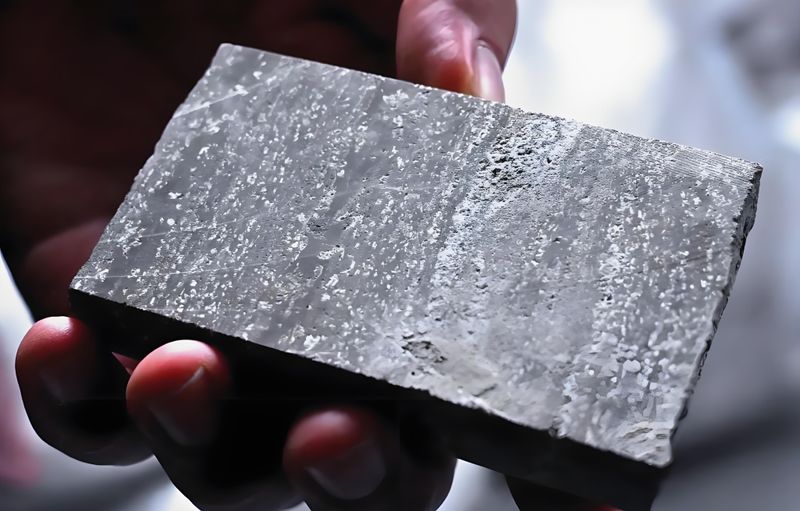
Ningde Lithium Mine Production Halt Triggers Market Ripple Effect
In the global new energy industry chain, the importance of lithium resources is self-evident. On Monday, the news that the Jiangxiwo Lithium Mine under Ningde Times announced a production halt for at least three months caused significant fluctuations in related lithium stocks in Australia, becoming the focus of attention in the Asia-Pacific capital market of the day. Investors generally expected that the short-term tightening of supply would push up lithium prices, thus benefiting the performance expectations of major lithium producers.
Australian Lithium Stocks Surge During Trading
In response, the lithium sector of the Australian stock market was quick to react. During early trading, shares of Pilbara Minerals soared nearly 19%, hitting a record intra-day gain in months. Liontown Resources performed even more impressively, rising nearly 22%, becoming a star stock in demand. Mineral Resources was not far behind, with an intra-day increase of nearly 12%, showing a strong interest in the lithium sector as a whole.
Industry insiders noted that this collective rise not only reflects expectations for a rise in lithium prices but also demonstrates Australia's sensitivity to global supply chain events. As a major lithium supplier in the world, Australian companies often benefit first from international market price fluctuations.
Supply Chain Impact and Industry Outlook
The suspension of production at the Jiangxiwo Lithium Mine is not seen as an isolated event in the market. With the continuous growth in global demand for new energy vehicles, the mining and supply of lithium resources are running at high levels. Any production disruptions can quickly trigger fluctuations in the supply chain, ultimately affecting the cost structure of downstream battery manufacturing and vehicle companies.
Analysts believe that if the suspension extends or recovery lags expectations, lithium prices could see a rapid short-term climb. Especially against the backdrop of increased production layout by new energy vehicle companies, the competition for lithium resources may further intensify, providing opportunities for excess returns to resource-based companies.
Investor Sentiment and Risk Warnings
Short-term market sentiment has shifted significantly toward optimism, with funds flowing into the lithium sector. However, some analysts warn that resource stock volatility is extremely high, with prices driven significantly by supply and demand expectations. Once the impact of the production halt is absorbed, or other supply sources fill the market gap, stock prices may face pressure to adjust.
Moreover, the continued rise in lithium prices could also lead to cost pressures for downstream companies, potentially inhibiting the pace of demand-side expansion to some extent. For investors, while engaging in event-driven short-term trading, attention should also be paid to medium and long-term fundamental changes to prevent price rollback risks due to market overreactions.
Conclusion
The production halt at the Ningde lithium mine has sparked a noticeable ripple effect across the global lithium supply chain, directly boosting the market performance of Australian lithium stocks. In the short term, the combined effect of tightened supply and expected lithium price increases has brought significant investment interest to the resource sector. However, in the long term, industry fundamentals, the global supply landscape, and the pace of development in the new energy industry are the key factors in determining whether the stock prices of related companies can continue to climb.

