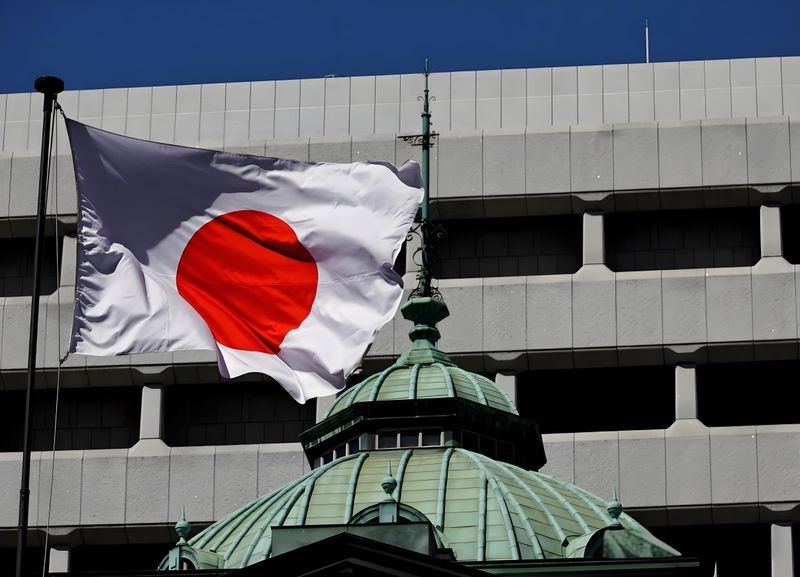
The Bank of Japan's Stance on Tightening Remains Unwavering
Despite the uncertainty in Japanese politics due to the Prime Minister's resignation, messages from the Bank of Japan indicate that it remains firmly committed to tightening monetary policy. Several officials have disclosed that, against the backdrop of sustained inflation and robust economic growth, the possibility of another rate hike within the year remains, with the earliest potential start in October.
U.S.-Japan Trade Agreement Eases Some External Pressures
The recently signed U.S.-Japan trade agreement brings certain benefits to the Japanese economy, alleviating some potential uncertainties. Analysts note that this agreement has, to some extent, stabilized market confidence, allowing the Bank to focus more on domestic economic and price trends. Nevertheless, the Bank of Japan will closely monitor any spillover effects from U.S. tariff policies to assess their impact on the domestic market and the global economy.
Discrepancy Between Market Pricing and Central Bank Assessment
Following the resignation of Shigeru Ishiba, the market briefly interpreted this as a potential obstacle to monetary tightening, with overnight swap market pricing for a rate hike within the year dropping to about 50%. However, insiders emphasized that political factors have not altered the Bank's fundamental assessment. If inflation and wage growth continue to maintain high levels, monetary policy could still advance towards tightening.
Macroeconomic Data Supports the Logic for Rate Hikes
The latest revised GDP figures indicate that Japan's moderate economic growth continues, with corporate profits hitting new highs and a tight labor market driving up wage levels. Real wages in July recorded their first growth in seven months, with the minimum wage set for the largest historic increase. These data strengthen the view of some Bank of Japan officials that conditions for further rate hikes are in place.
Investors Bet on Another Rate Hike by Year-End
With the release of related information, expectations in the money market for a Bank of Japan rate hike by December have risen from 44% to 64%. The yen's exchange rate against the dollar surged to a high of 146.29 before stabilizing around 147.40. Investors' position adjustments reflect the market's sensitive reaction to further tightening of monetary policy.
Government Fiscal Policy May Be a Variable
Some economists warn that the new government may introduce larger-scale fiscal spending to gain public support, which could affect the inflation path and the pace of interest rate hikes. If spending is too large, it could exacerbate price pressures, forcing the Bank of Japan to accelerate its tightening pace. Conversely, if fiscal policy remains restrained, the central bank's actions may be more flexible.
External Environment and Policy Communication
The Bank of Japan is also closely monitoring the trajectory of the U.S. economy, particularly whether the Federal Reserve can achieve a "soft landing" amid weakening employment data. This holds significant implications for global capital flows and the yen's trajectory. Furthermore, differences in policy statements among the Bank's leadership keep the market highly sensitive to future directions. Deputy Governor Ryozo Himino's recent dovish remarks, while interpreted by some as neutral, highlight the delicate balance of opinions within the Bank.
Tightening Expectations Persist, Politics Unlikely to Alter Course
Overall, despite political turmoil in Japan and burgeoning global risk factors, the direction of the Bank of Japan's monetary tightening policy remains unchanged in the context of meeting inflation targets and steady economic growth. Economic data over the coming months, along with the new government's fiscal measures, will be key variables in determining the timing of any rate hikes. The interplay of market and policy signals suggests that Japan's financial markets could face a new phase of volatility this autumn.